It was my last half day here at Majete Wildlife Reserve, it’s been an incredible and exciting visit. I most definitely recommend visiting this Shire if your travels take you to Malawi.
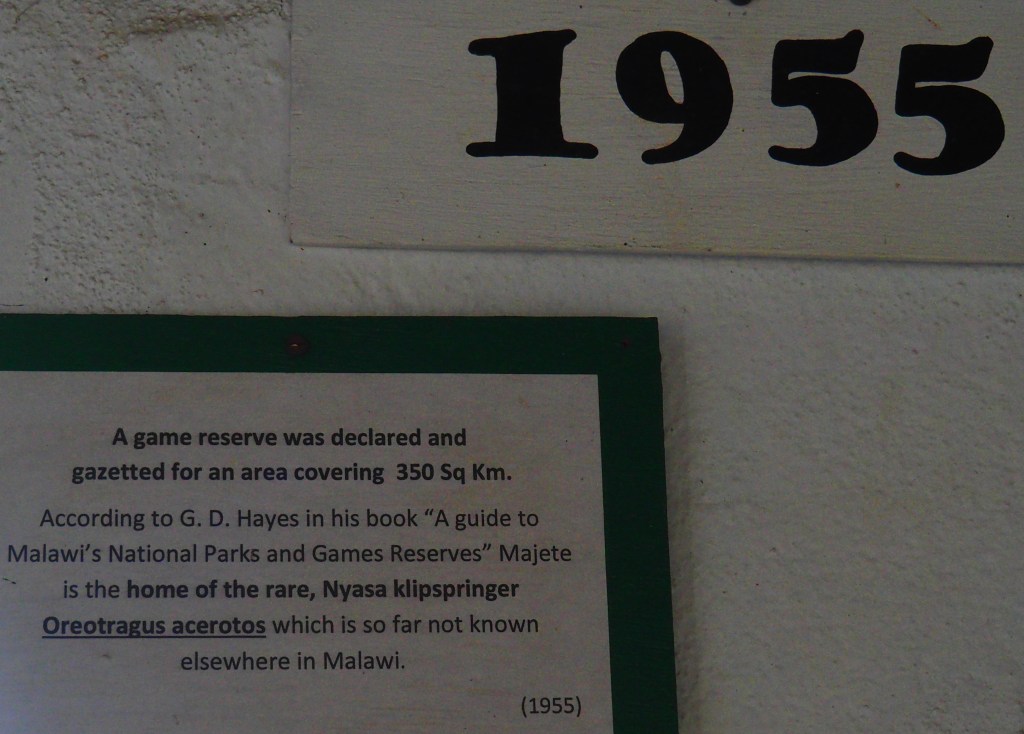
Majete Wildlife Reserve had its good times and it had some very bad days.
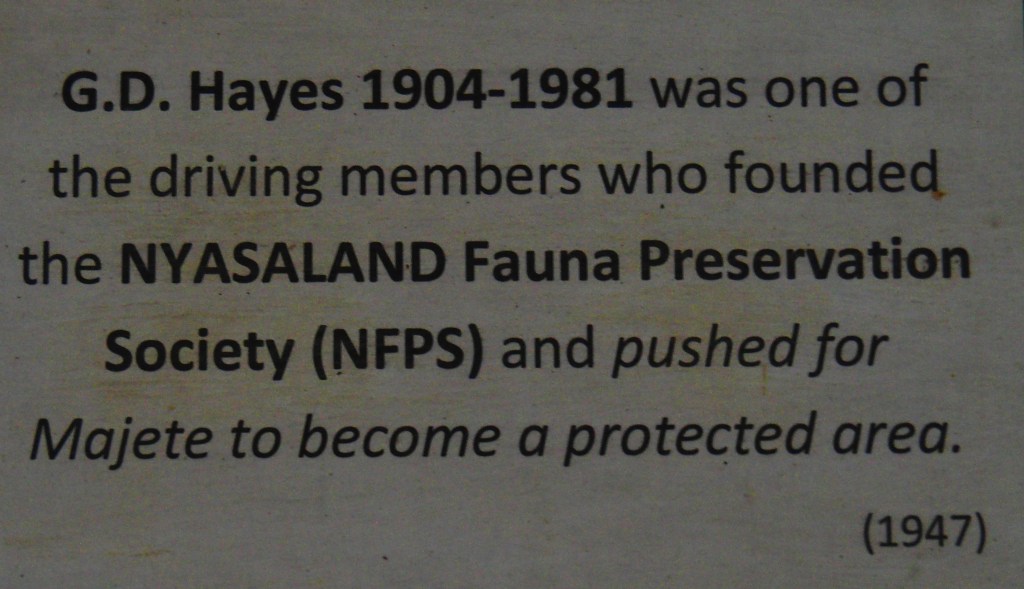
Back in 1955, A.G. Hayes saw the potential for this area to become a National Park in Nyasaland, now known as Malawi.

The shire was then extended to the Shire River and things were looking up.
Sadly, not for long. Poaching and pointless animal cruelty had decimated wildlife.

The last lions were seen in 1982.

And ten years later, the park was extinct, the darkest hour for this refuge. The ongoing war in Mozambique at the time drove people into Malawi. More people need more food, it’s a sad story all around. As well as so-called soldiers from Mozambique shot many animals to eat. They decimated numbers in Mozambique’s National Parks too.
War! What is good for?
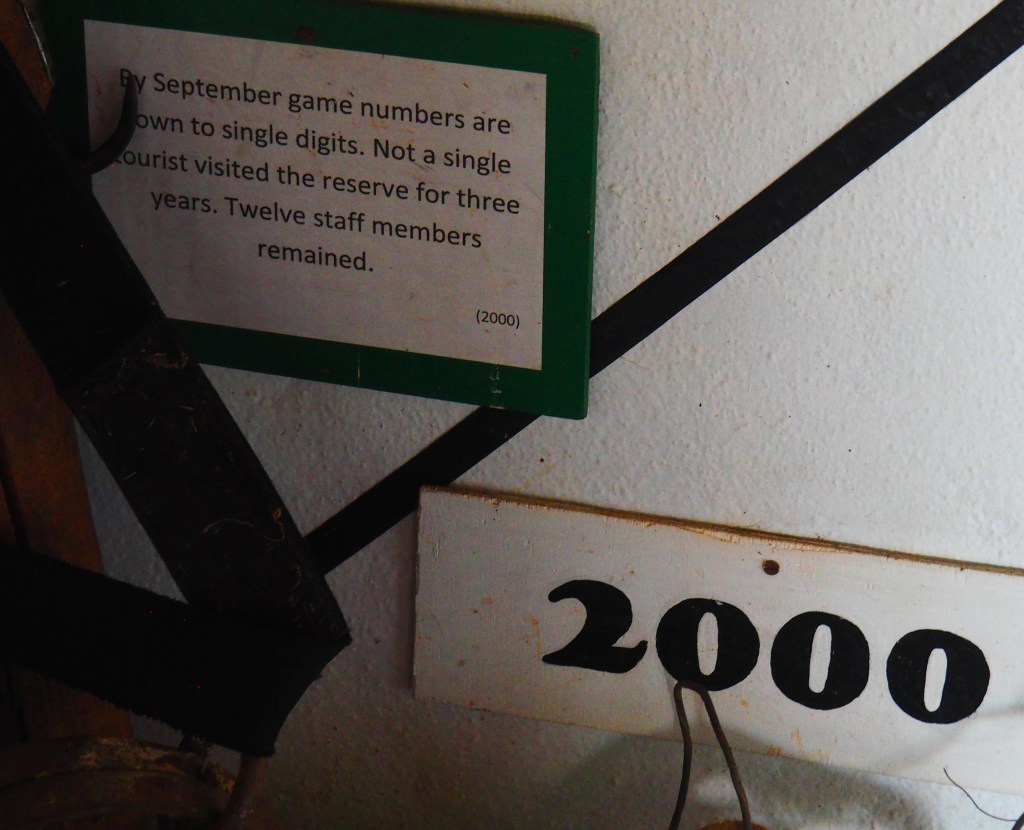
The downfall was in the year 2000. But things were looking up three years later. Action was taken.
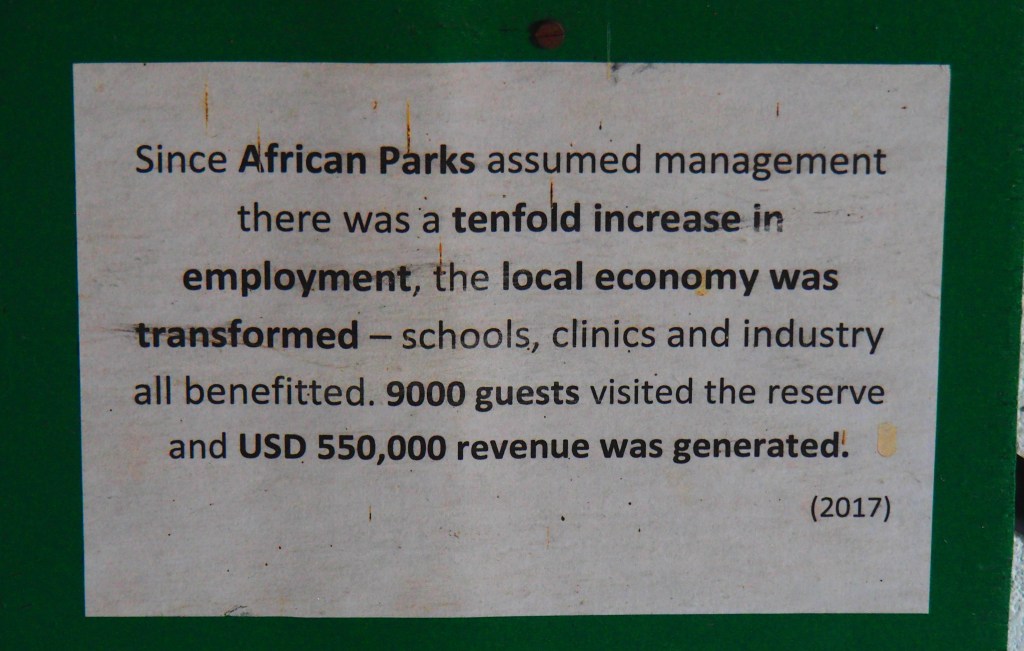
‘African Parks’ is a South African collaboration that helps parks in Africa, funding and structuring selected and potential parks against today’s danger. They inform and include local communities to work together so that everyone will benefit.
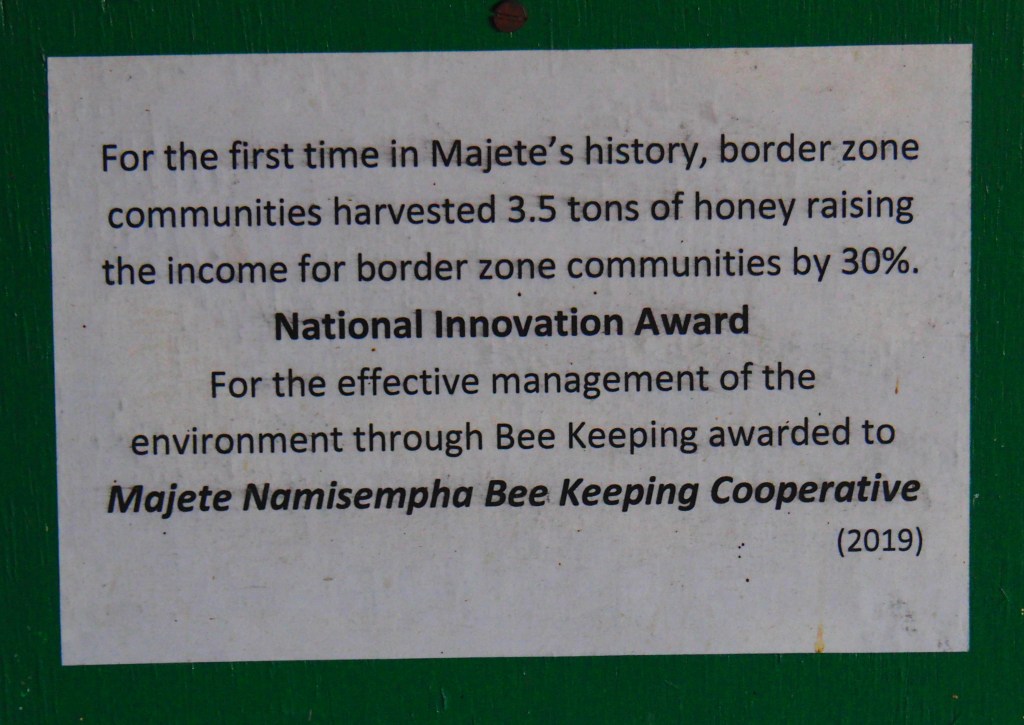
Like the honey production for example. Anything is possible if you wanted to.
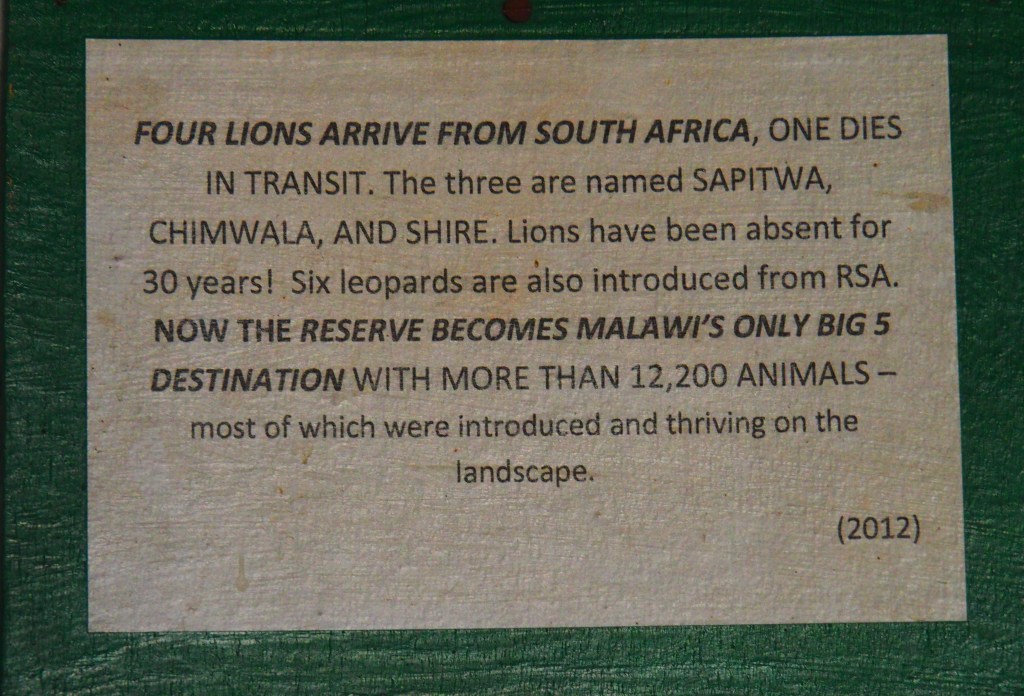
The first lions arrived.
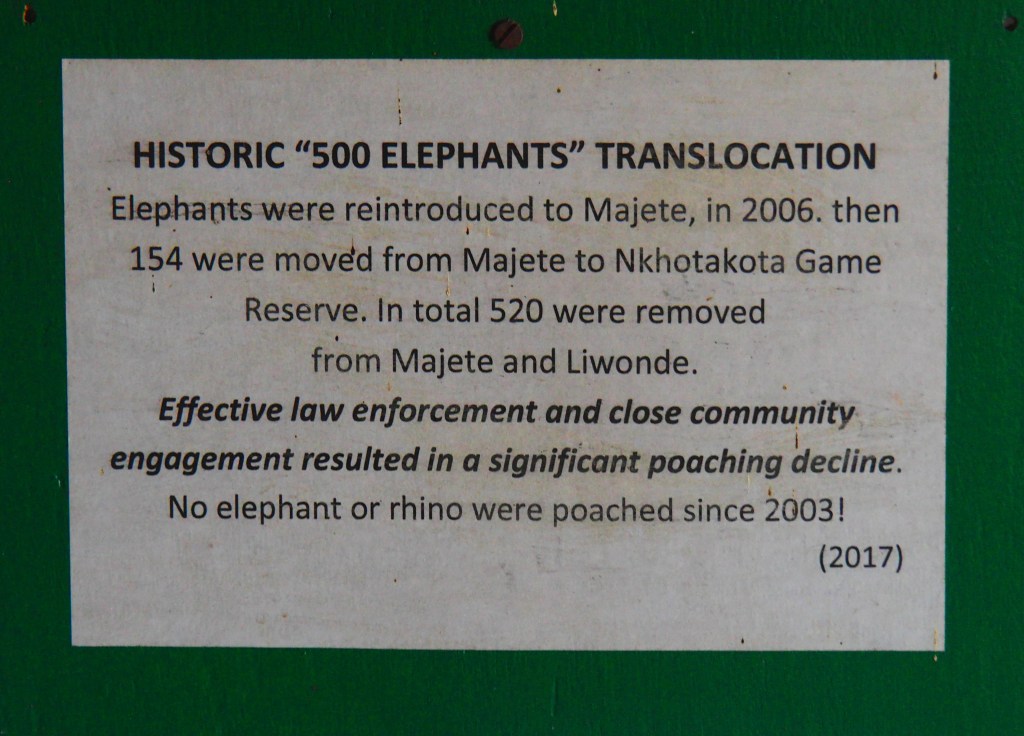
Elephants were relocated. What a drama that must have been.
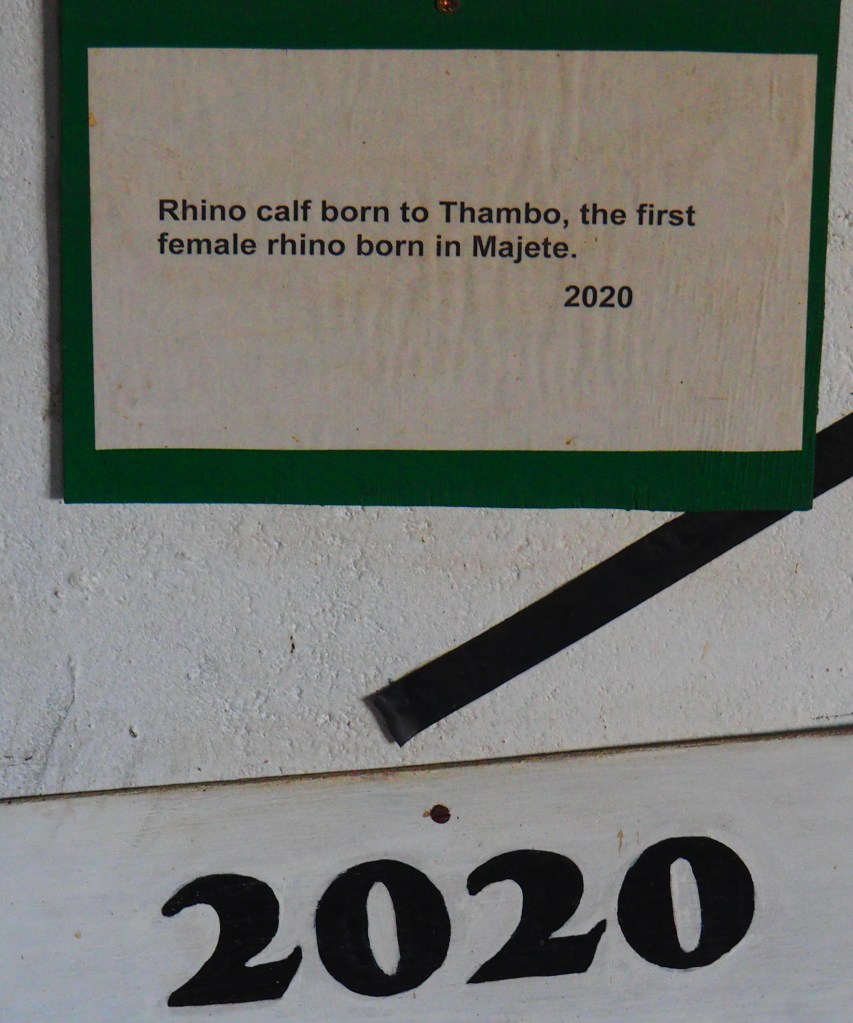
Cheetahs arrived. The first Rhino baby was born.
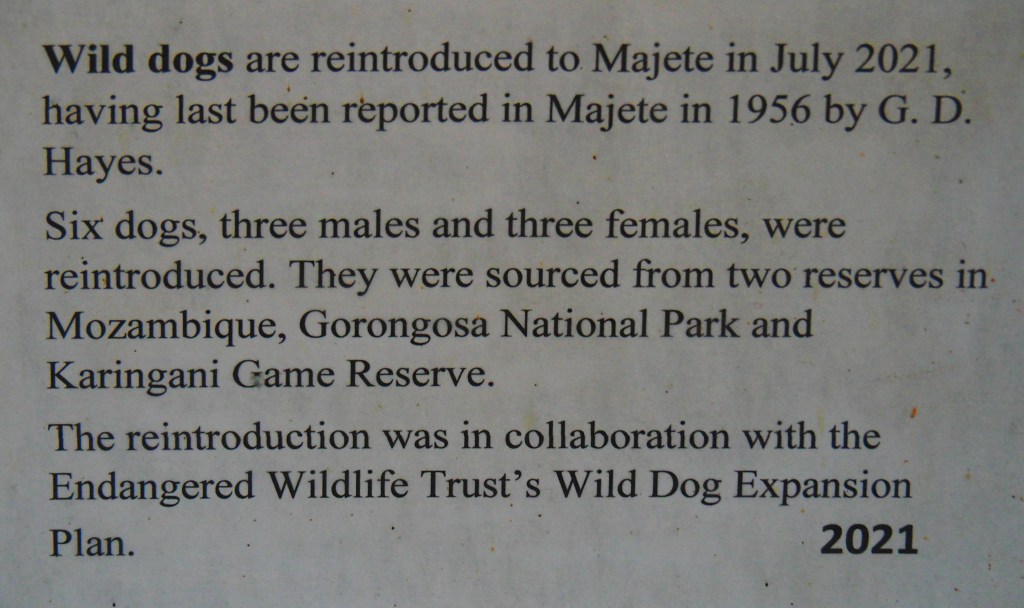
And someone let the dogs out.
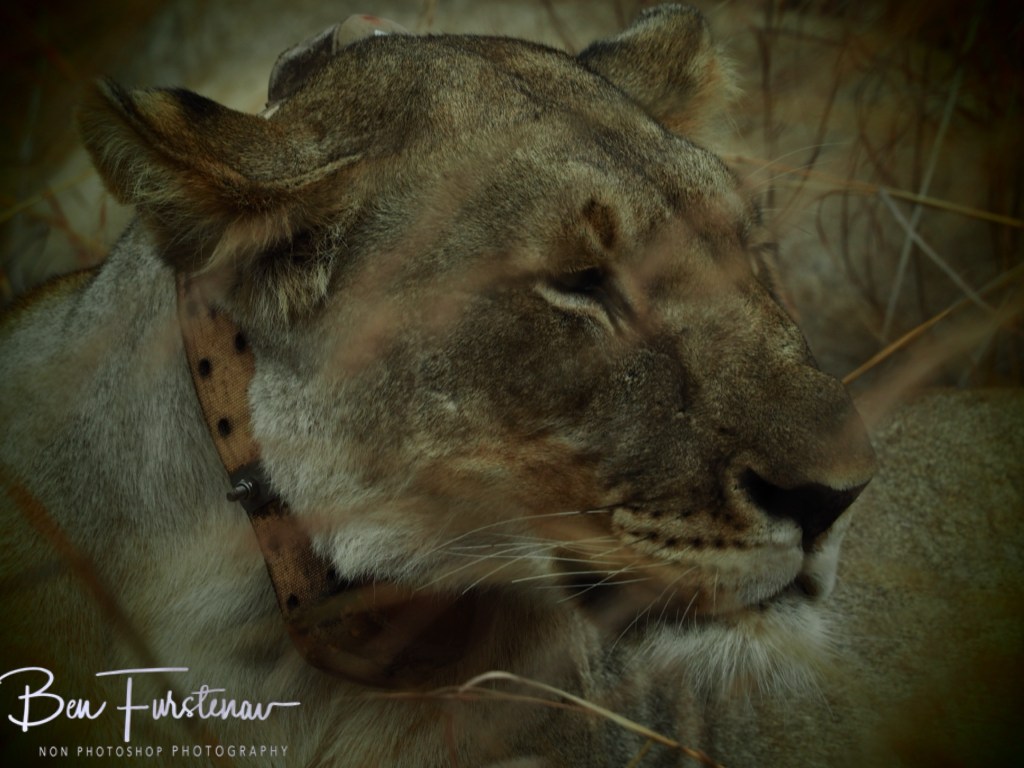
The girl from yesterday? @Majete Wildlife Reserve, Malawi, Africa
Many lions wear satellite tags for their own safety I presume. Some lions have been de-sexed as numbers are growing in unsustainable numbers. It is an amazing success story.

The campground I stayed at had all that I needed and more than I expected.
Imagine staying at the chalets? Too much class for me though.

My favorite option would have been to stay overnight in the Nspete Hive to watch and hear the animals come and go. This is possible for 100$ US per hive per night, but impossible to pay for one person. It’s an amazing sharing opportunity.
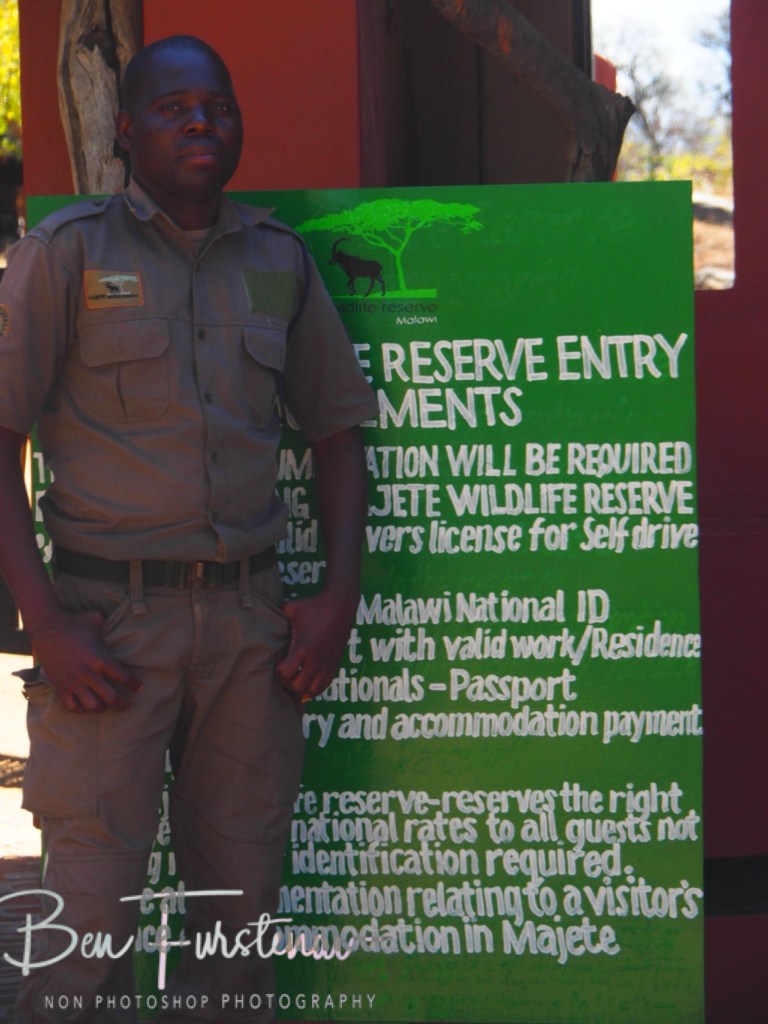
All rangers and staff are well-trained and friendly, it was a pleasure to stay here at Majete Wildlife Reserve.
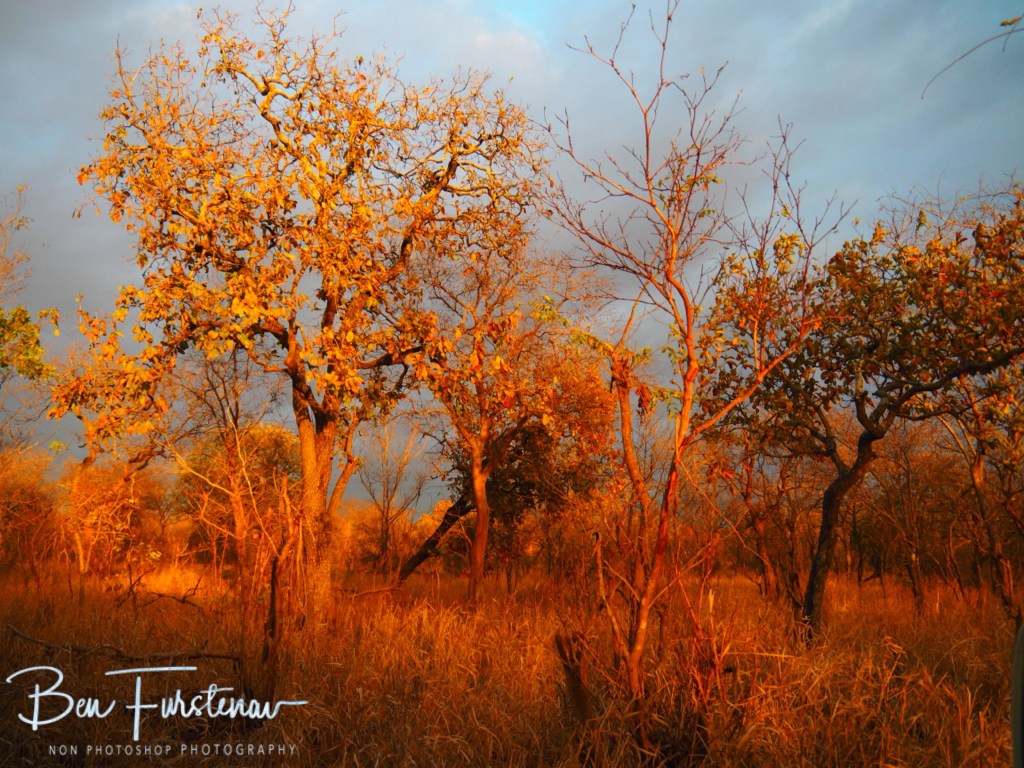
I was up before first light, we finally had a sunny morning. The softer colors reflect nicely in early sunlight. My aim this morning was the two hives I visited a few days back. I needed to get going to my next destination by lunchtime, that was the idea.

A lone elephant bull had the waterhole at the hive to himself. Chances are that we scared other animals off but Dumbo didn’t care.

The bottom part of his trunk was missing, most likely snared by horrible people’s traps. He created his water fountain with his trunk, purposely or not.
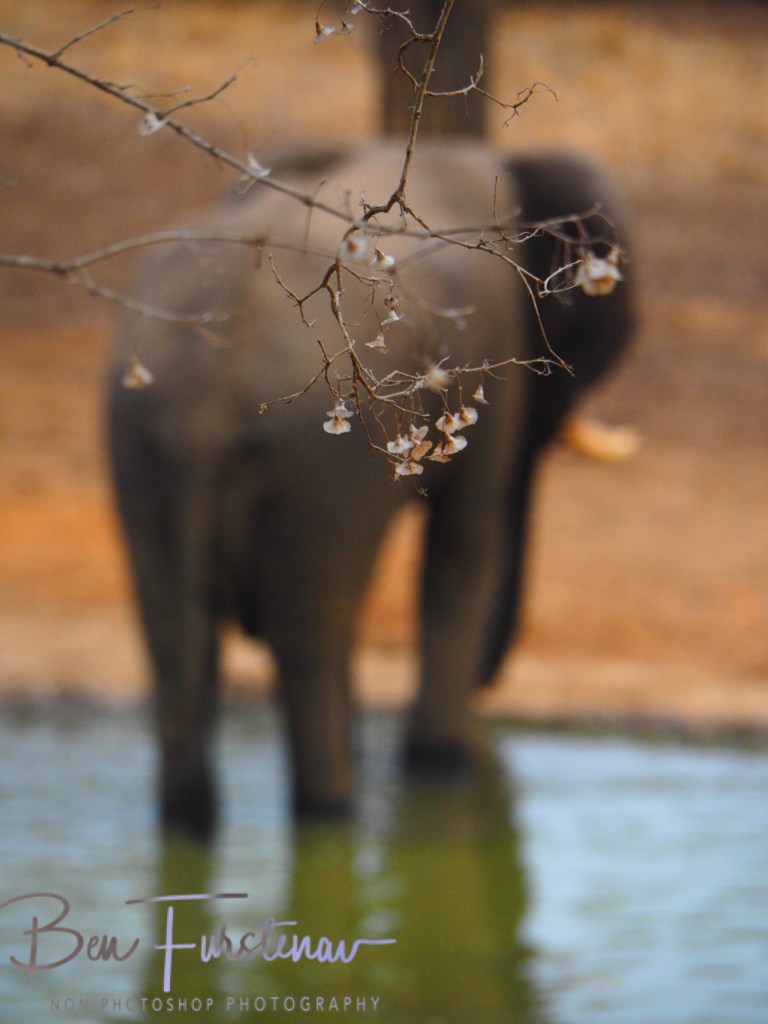
He was happy though and so was I. I had my coffee and watched him play.

It was dead quiet at the other hive as I moved on.

A few baobab stood tall against the sense of time.
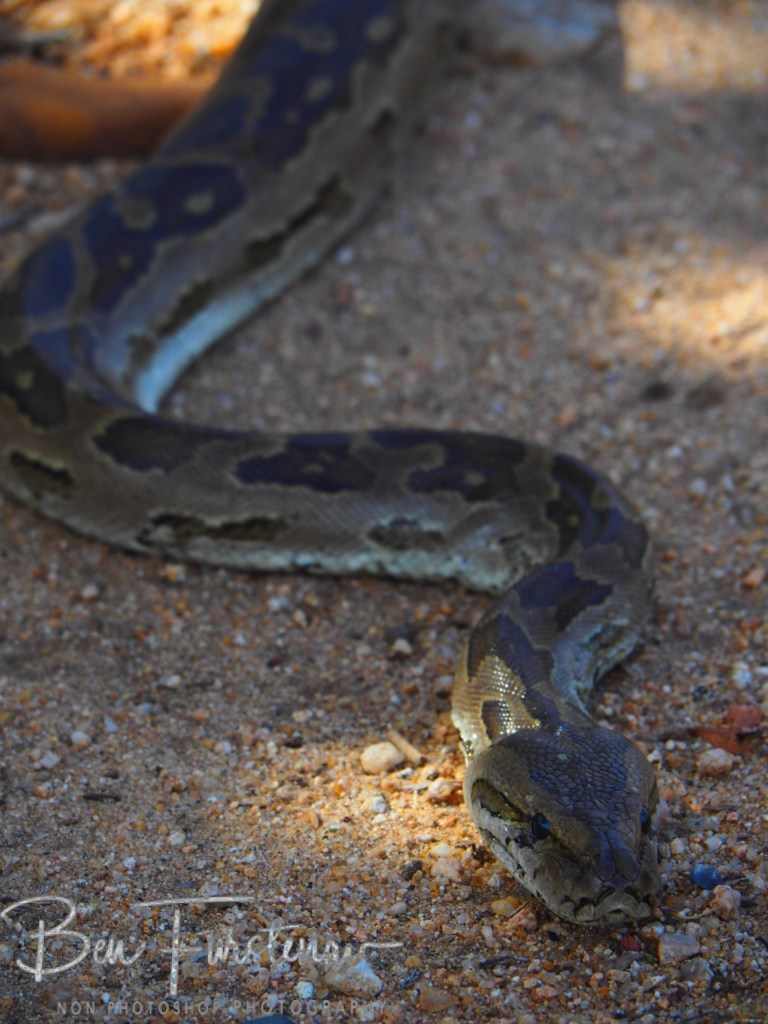
It was quiet all around as this silent constrictor passed my tracks. It looked like a stick on the road but I realized early enough to put Zimba on hold.

The python gracefully slithered into fallen leaves and blended in superbly.
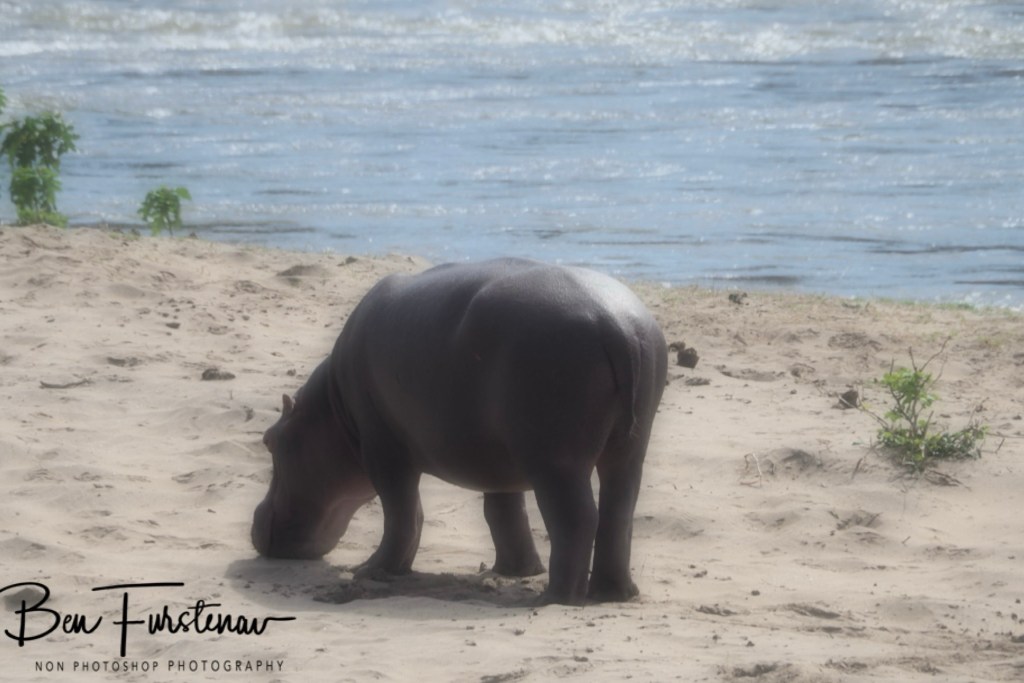
The territorial hippopotamus colony enjoyed warming early morning rays as well.

Soon enough it will be getting too hot for them. But for now, some climbing lessons need to be learned. Very cute.

Back at band camp, I had to organize and finalize myself and Zimba for some hot days to come further south.
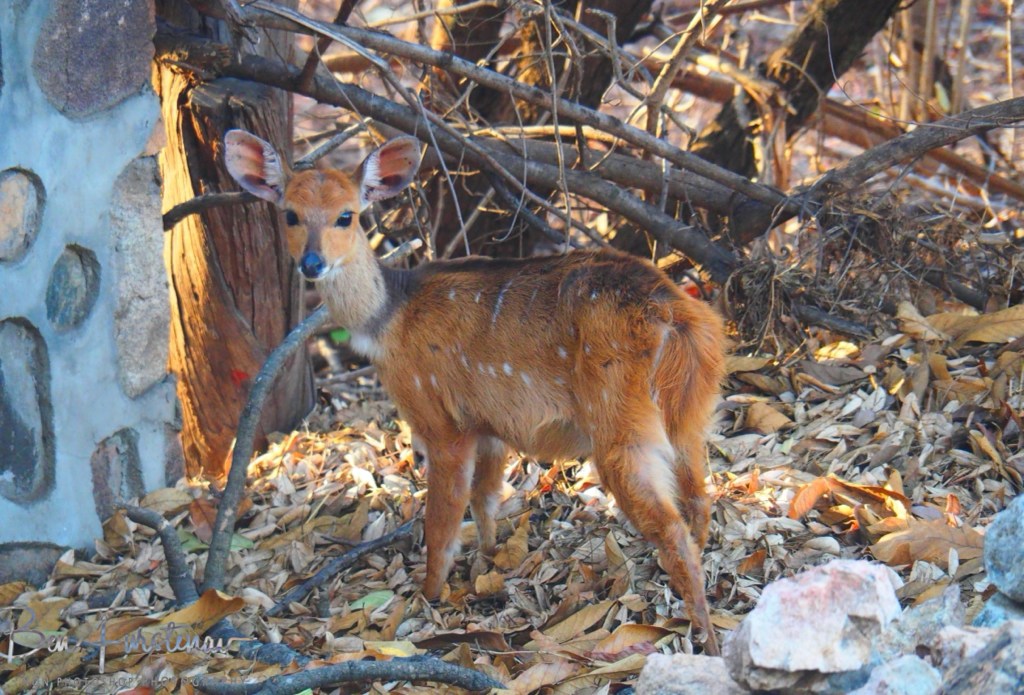
I felt happy and a bit sad leaving Majete Wildlife Reserve.
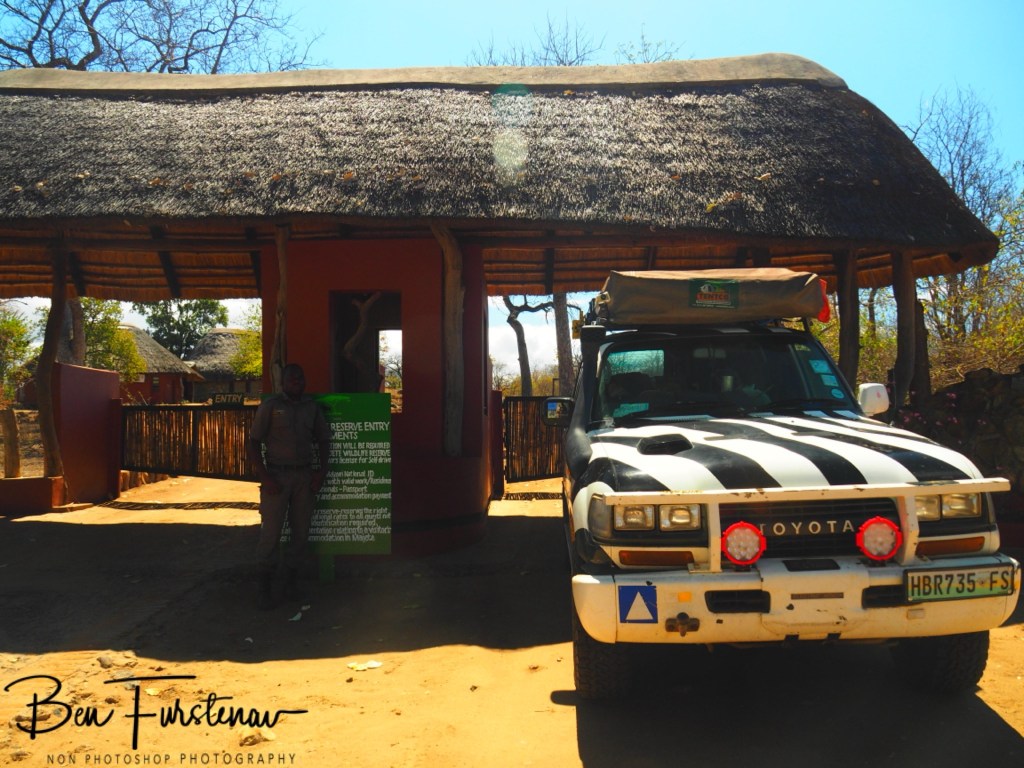
I will be revisiting next time around, that much I know.

I stayed at ‘Nyala Park’ near the town of Nchalo. It’s a small and privately owned game park that features Inala and Impala antelopes, as well as zebras and a few troops of vervet monkeys. I was in safe hands as Eric and the rest of this friendly crew made sure, that no poachers would enter this property. Zikomo.
 Travels with Ben