Liwonde is hot, Liwonde is dusty, Liwonde is dry.

Zimba and I were sweating when we reached the iron gates to Liwonde National Park. I booked in for 3 nights and three days.
It was late afternoon already and I wouldn’t have much time to view Wildlife today, I persuaded the friendly park warden.

I was allocated to the designated self-catering camping area a bit further up from ‘Nkalango Safari Camp’. These luxurious tents are very comfortable but not cheap for a single person. Besides, I have the best tent on the roof of the best car in Africa. And I was all alone.
Usually, some sort of camp rangers stays out for safety reasons but not here. No safety in numbers at Liwonde National Park. It was great. Away from all human noises and away from any civilization.
Only the buzzing of mosquitoes and tsetse flies.

One theory on why zebras have their distinctive stripes is that it confuses these flies. It didn’t work with Zimba. And if it did, I didn’t notice. Small price to pay.
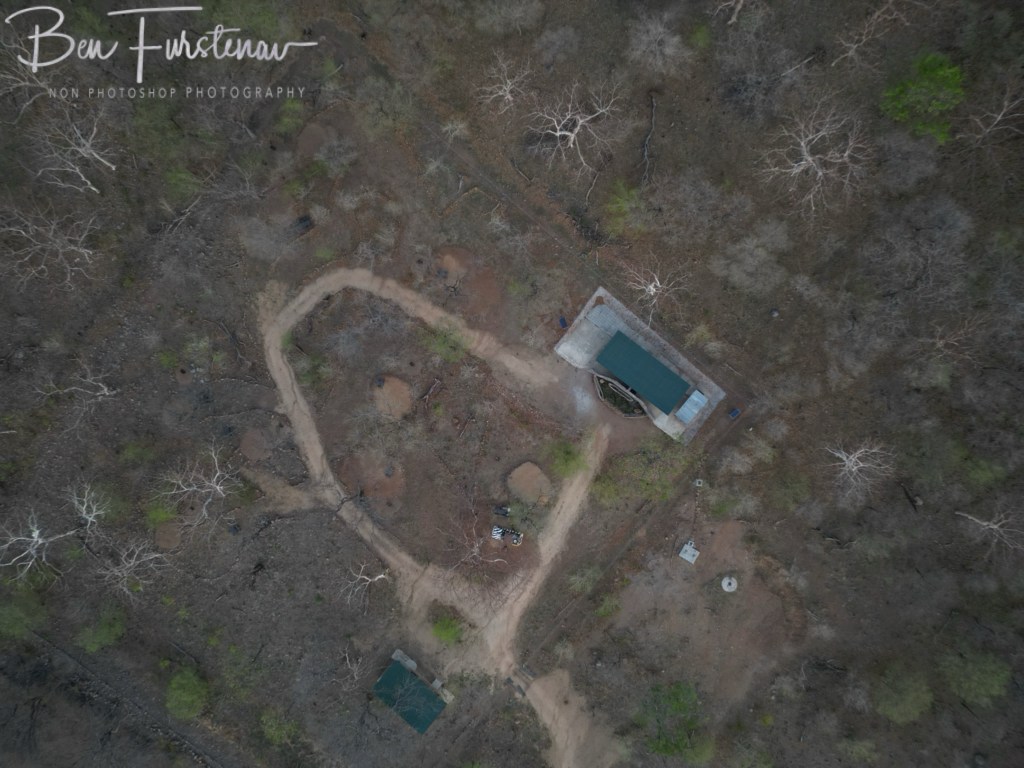
The campground was newly renovated and the shower blocks were in great condition. So was the whole campground and the resting area bungalow. And I had it all to myself.
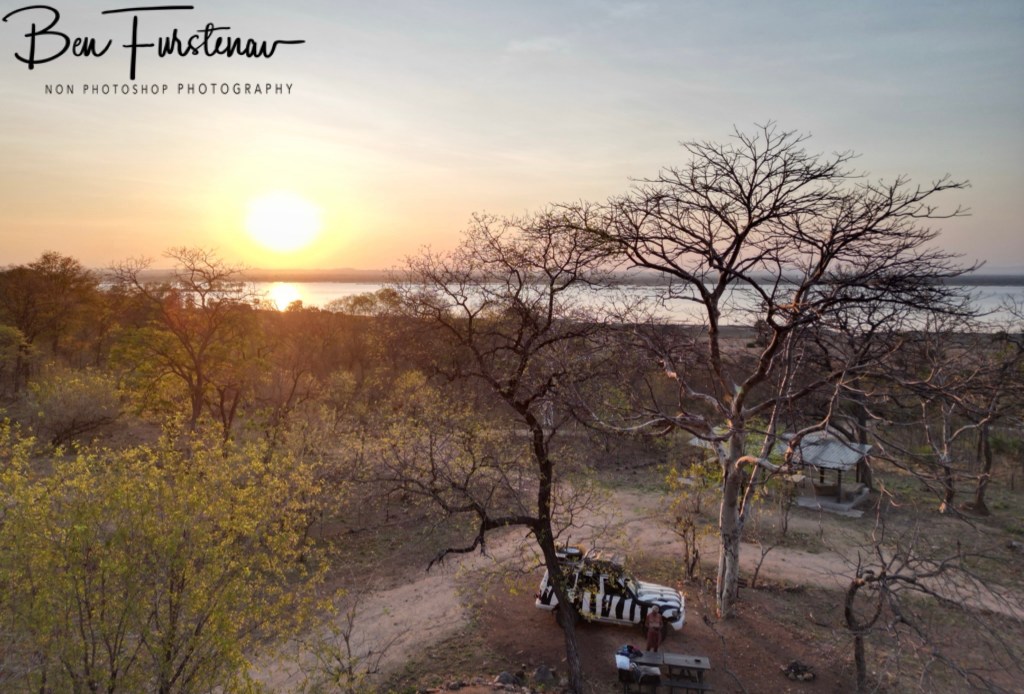
The campsite isn’t far from the Shire River even now in the dry season. The wet season brings the water’s edge close to the electric-fenced sleeping area.

Elephants pass this corridor every morning which makes the cup of coffee taste so much nicer.
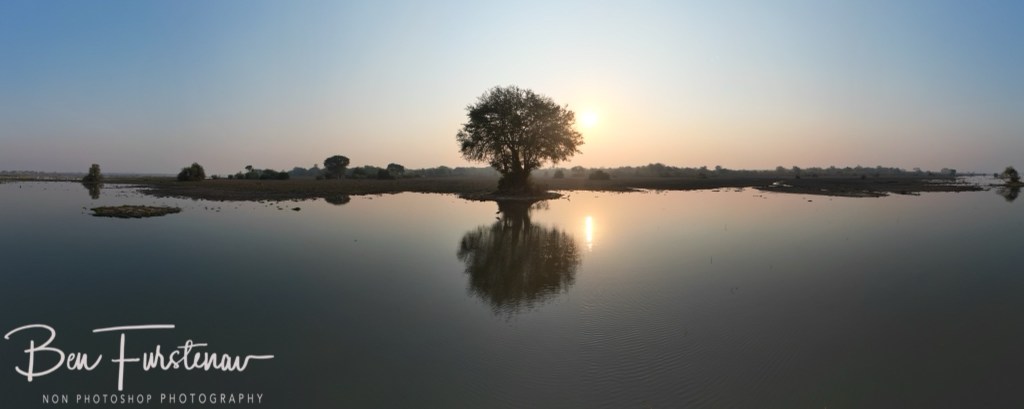
Liwonde National Park lies along the eastern shores of the Shire River. This river zigzags throughout Southern Malawi but it is here where it starts the journey.

From Lake Malawi, the Shire River spills into Lake Malombe which appears to be an extension of Africa’s third-largest lake millions of years ago.

At the southern end of Lake Malombi, the Shire River forms an in-flowing river delta that extends its journey south. This explains why the Shire River is always flowing no matter what season of the year.
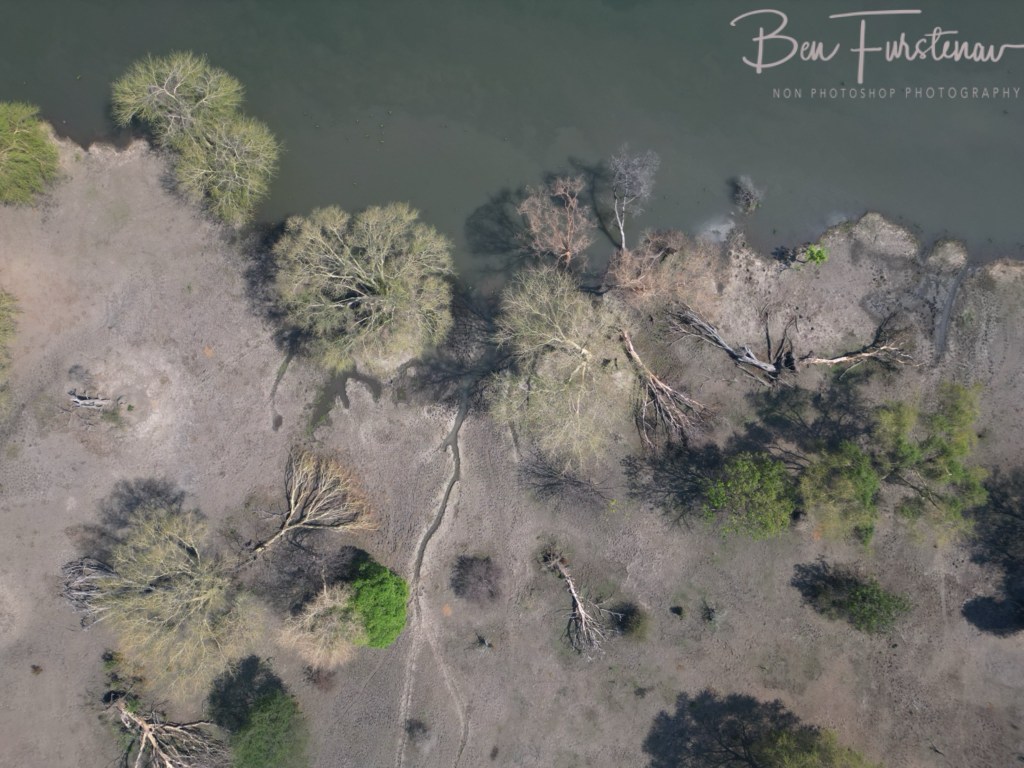
It’s not a fast-flowing river in these even meadows as the river appears more like a significant wetland area.
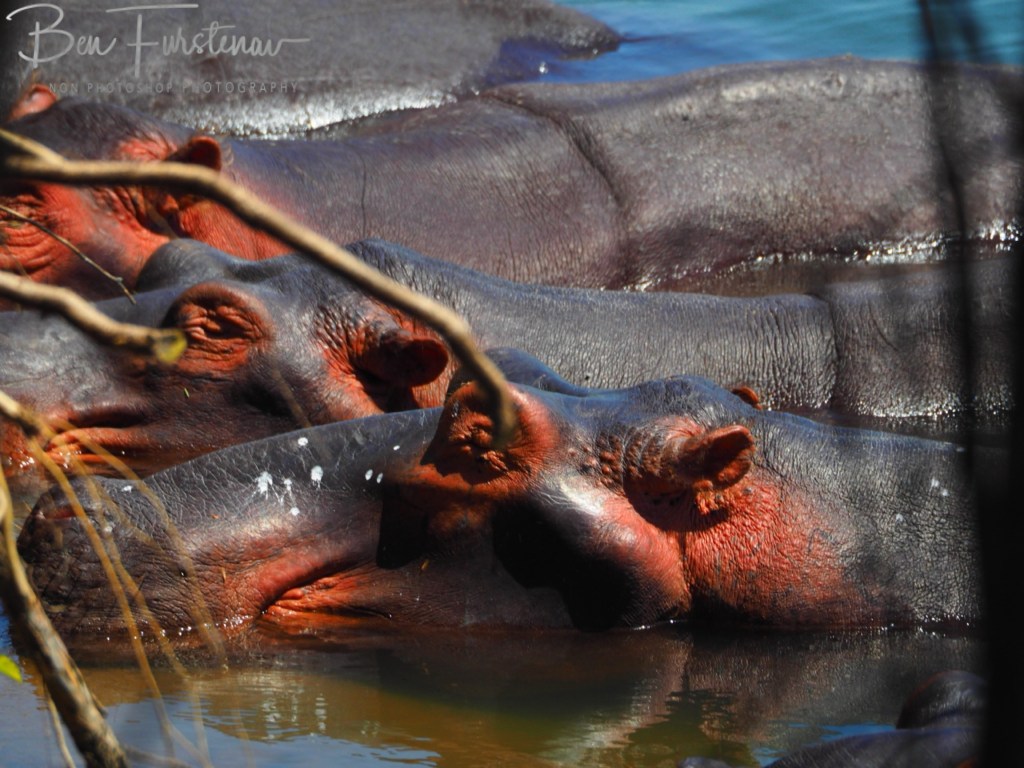
This river offers a lifeline for animals and humans in this dry and harsh country.
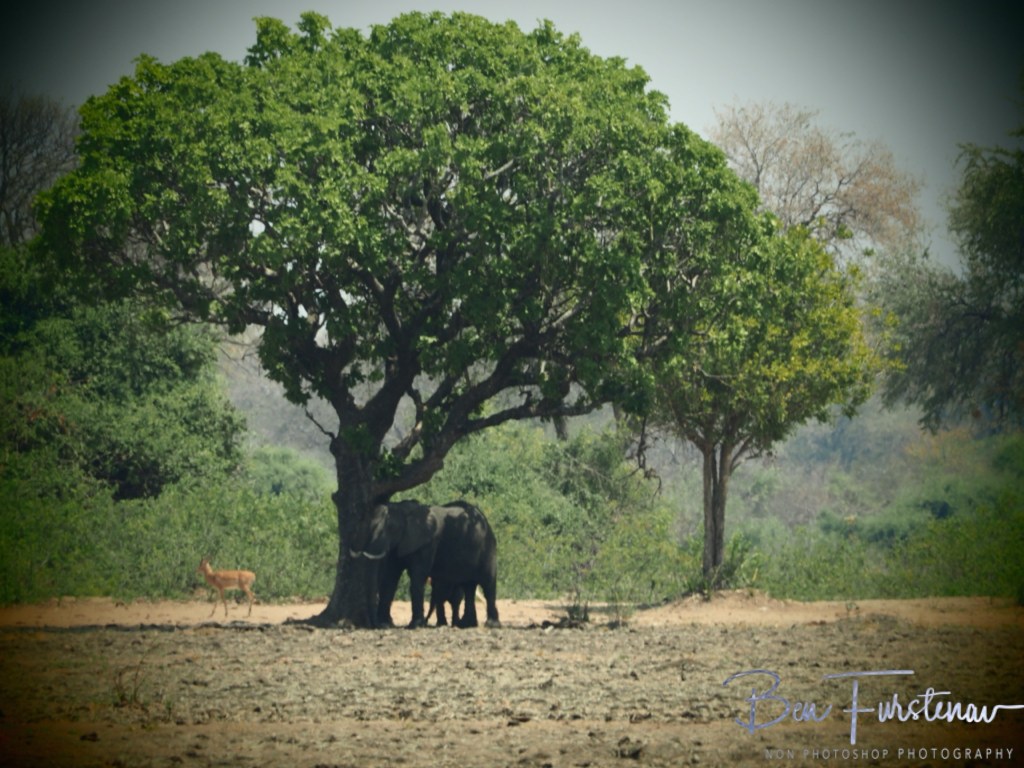
A priority for us as well as for all animals was to stay cool, calm, and collected.
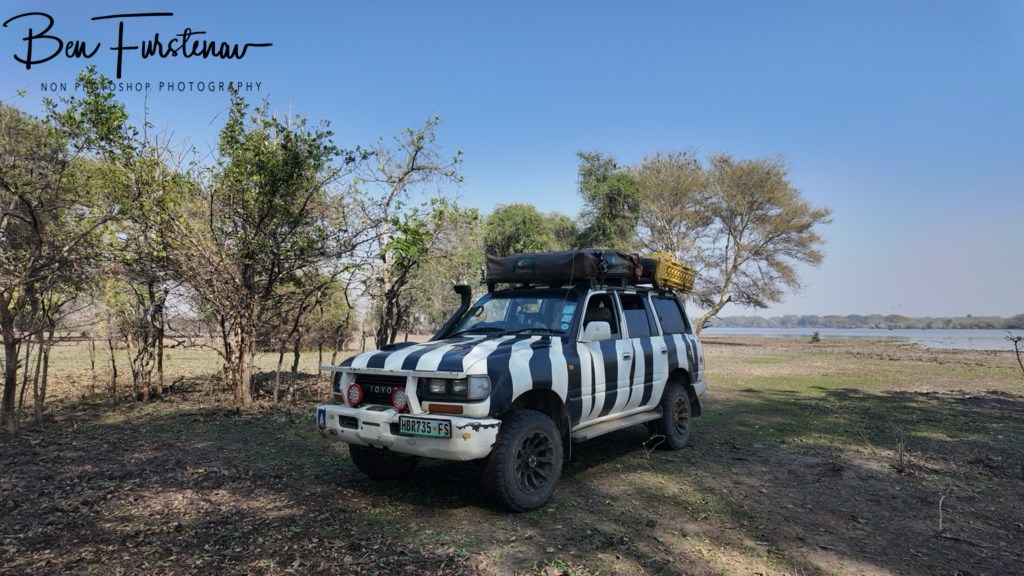
Finding a shady spot wasn’t all that easy on this dry and dusty ground.

And even if we did, mercury levels were above the norm.

This was reflected particularly in the northern region of this national park where conditions were bone dry.
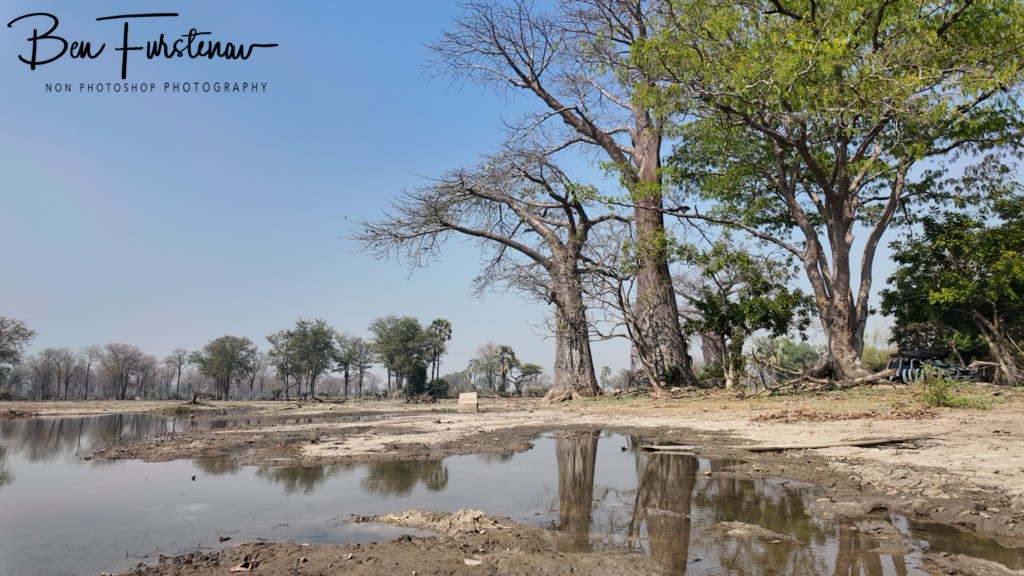
This is a prime baobab country at its best. Imagine these massive trees reflecting in shallow waters.
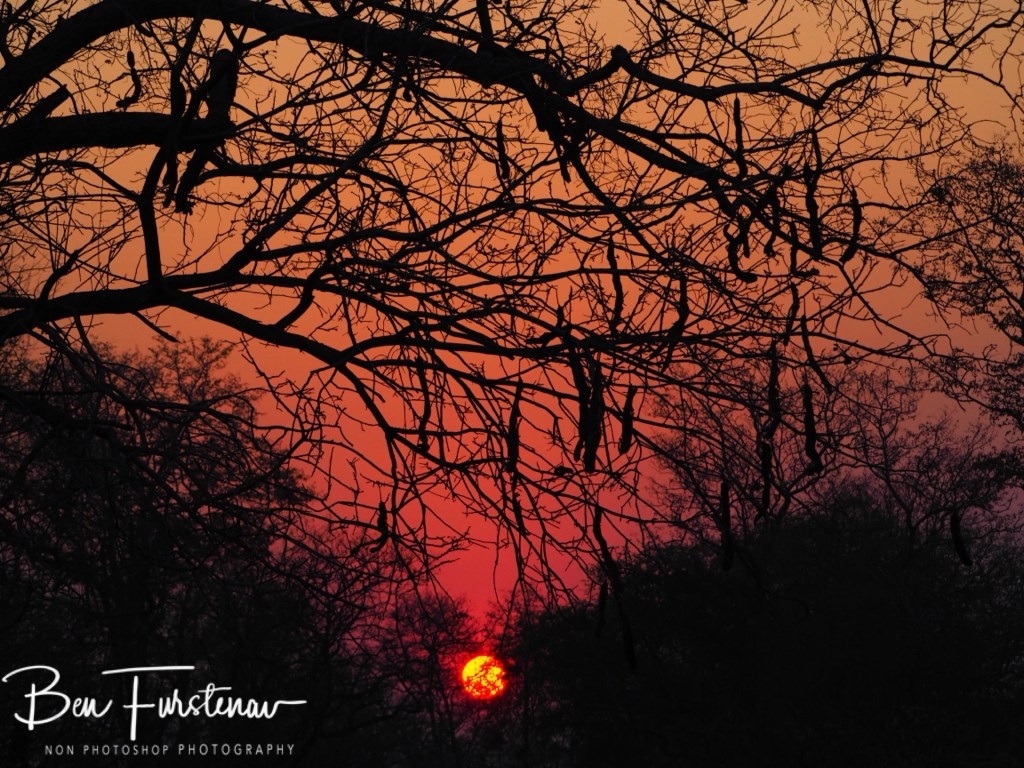
Or at the golden hours early morning or later in the afternoon.
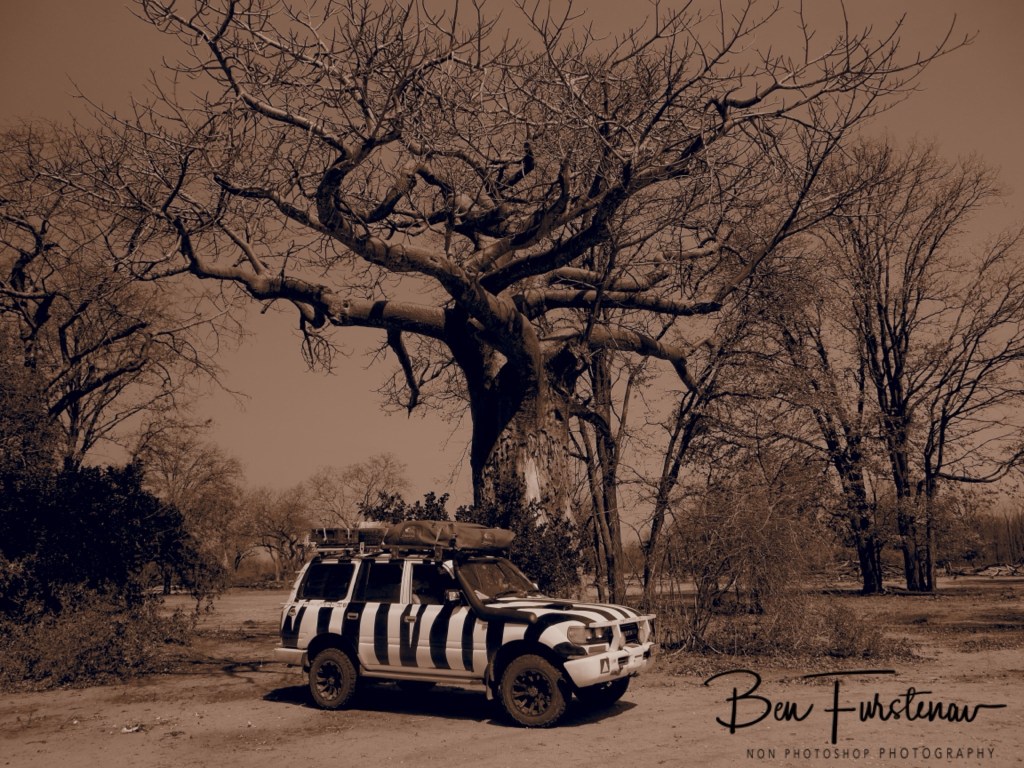
Baobab Trees don’t offer much shade due to the lack of branches and leaves up so very high.

Only the biggest trunks offer shade around the clock if you can move your chair.
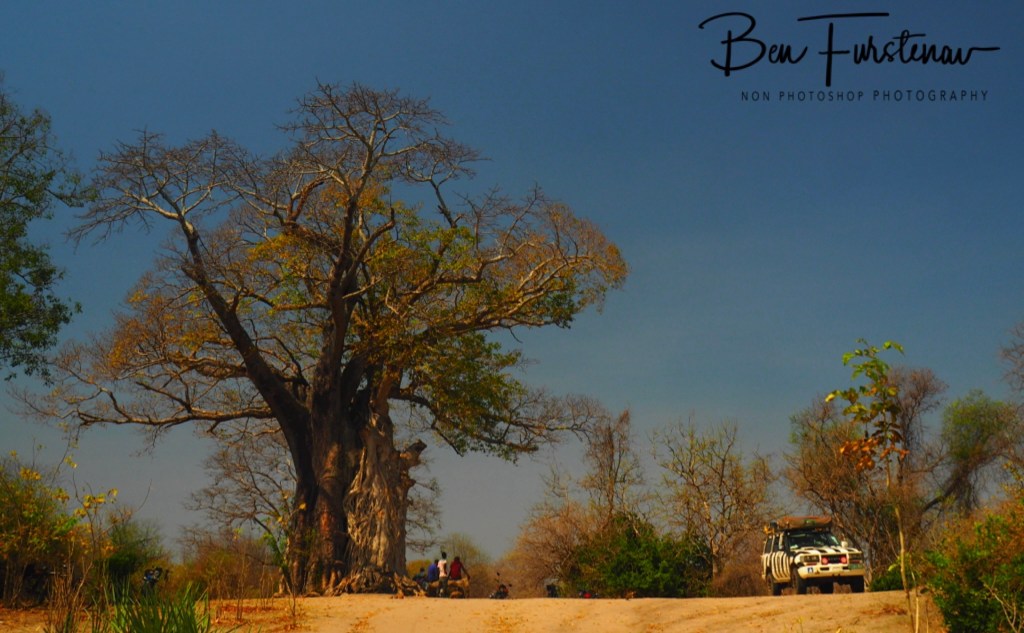
The ‘Livingstone Baobab’ was noted by early explorers back in the day and lies just outside the northern fringes of Liwonde National Park.
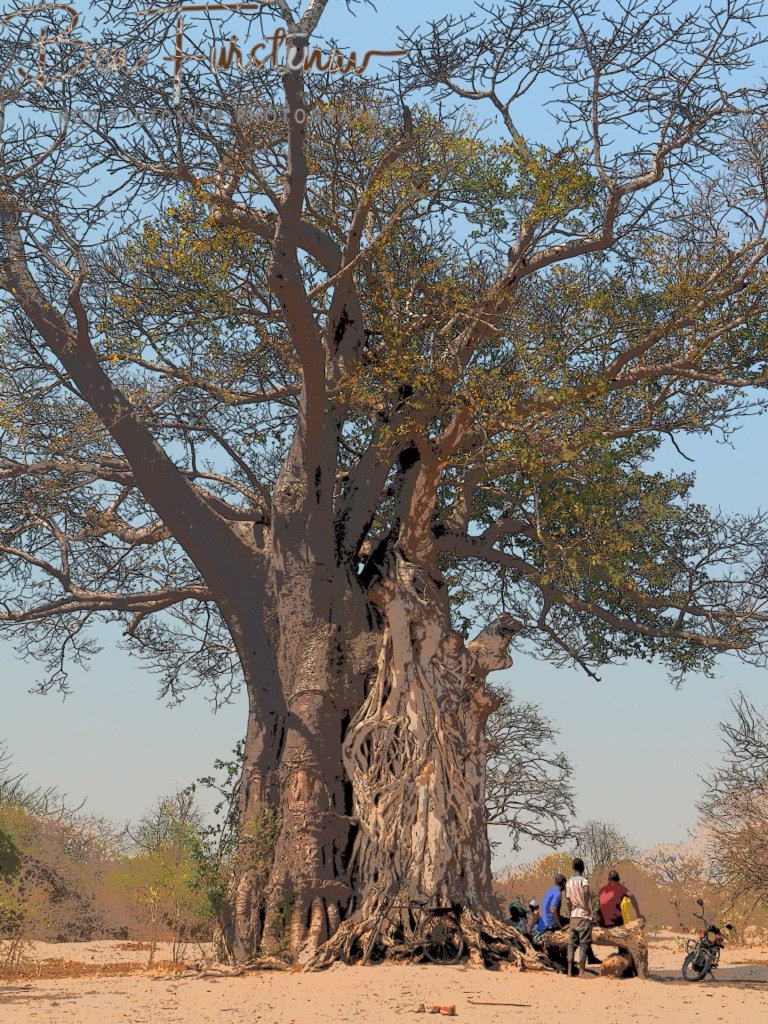
This all-timber still is a popular meeting and greeting area for locals. So much had changed.
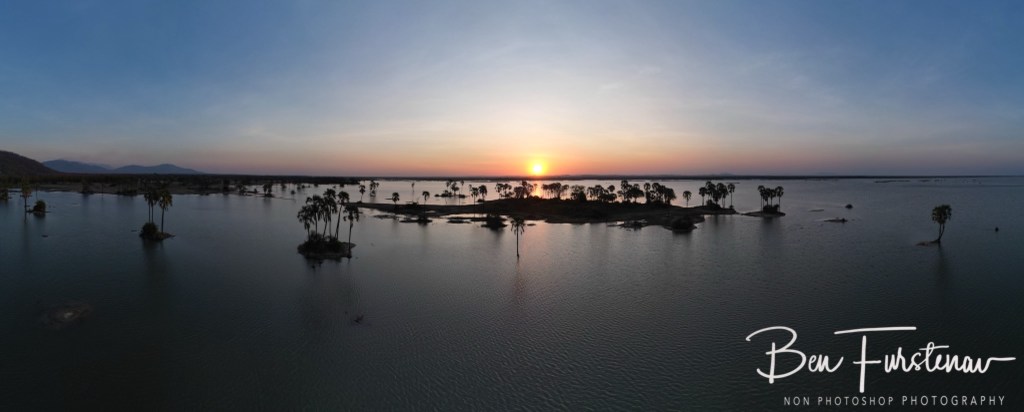
The coconut islands are highlighted best at sunset. And from up there as the sun sets over the western ridges.

This landscape is rather extraordinary if you find the right angle, wet season or not.
 Travels with Ben