One of my objectives in Liwonde National Park was to explore this landscape. Juicy green and shallow marshlands with coconut islands dotted with picturesque views in magazines attracted my interest.
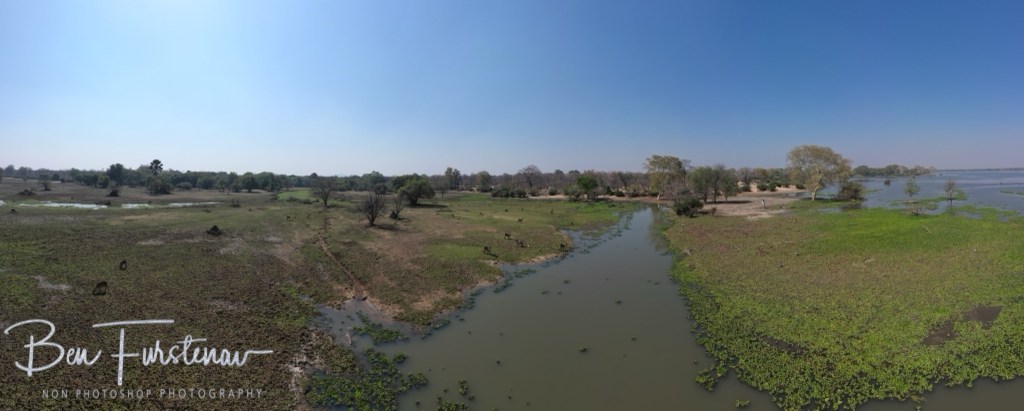
Elephants and other herbivores wade through knee-deep waters on hippo trails, splishing and splashing along the way, hooray.

Not at this time of the year. We are in the height of a drought, it hadn’t rained for at least 6 months.

The hippo trails are still visible even in this crusted mud-dry land.

These mudflats are inaccessible in the wet season as almost as well in the dry season.
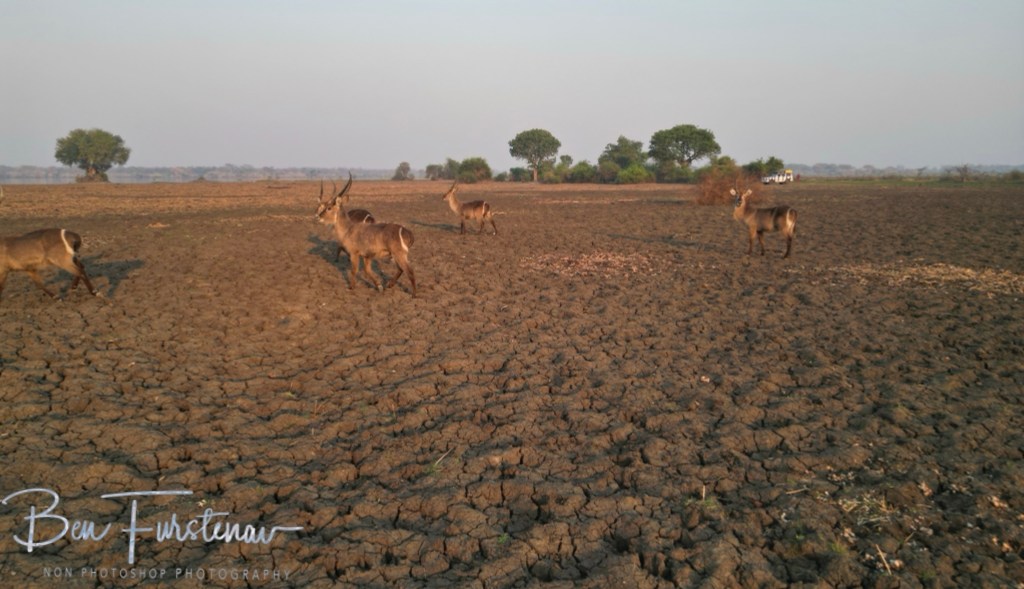
The non-linear corrugation makes this a bumpy and slow ride over the crusty surface.
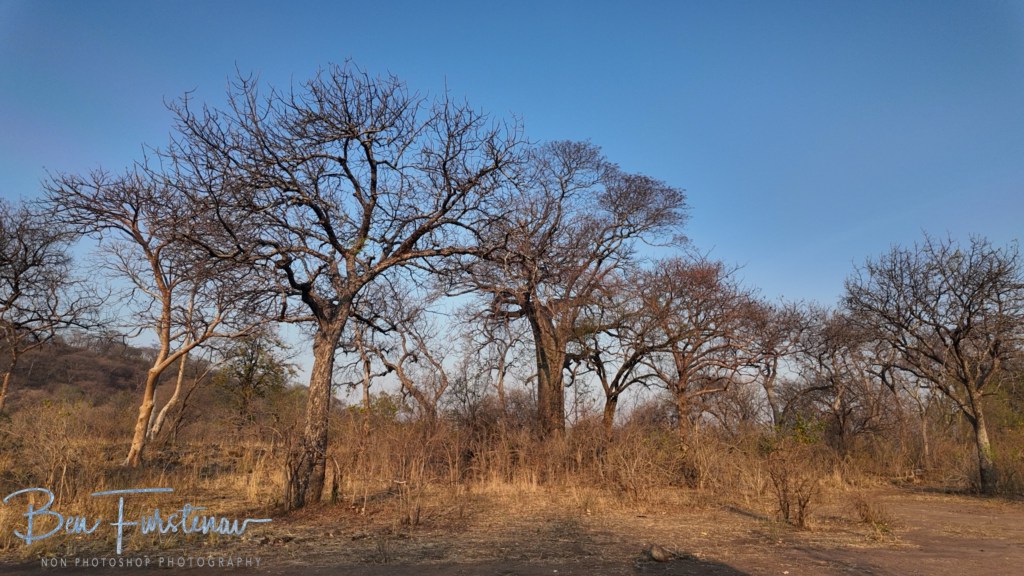
All waterholes inland are dried up.
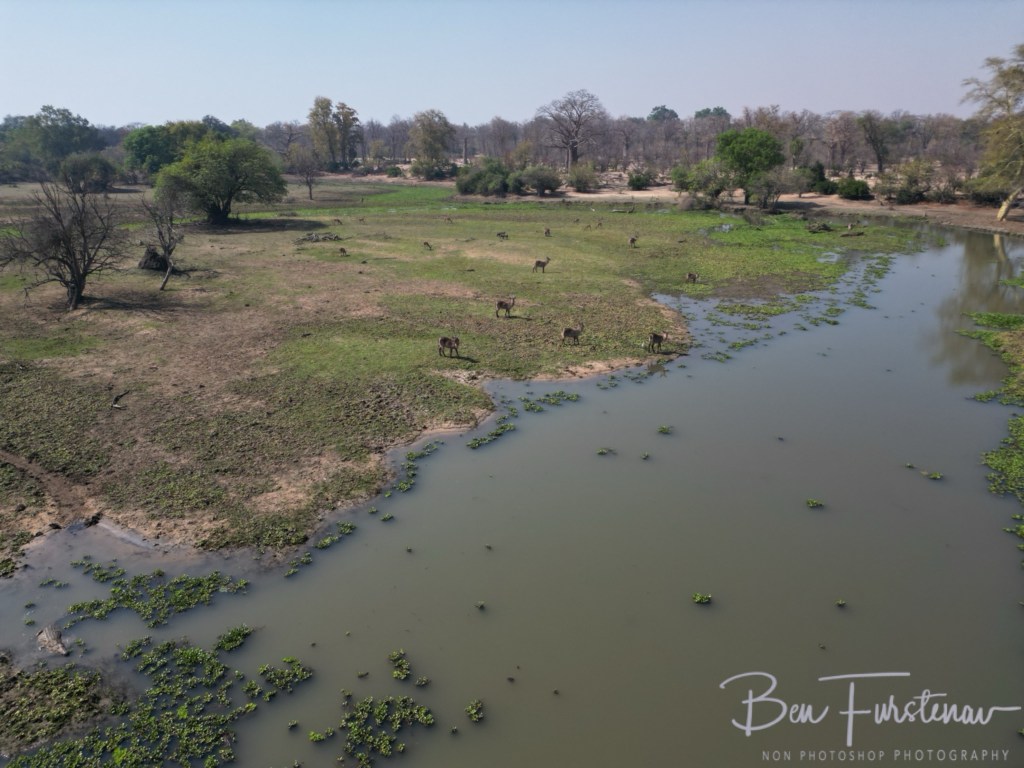
These retrieving shallow waters of the Shire River are what save animal life in Liwonde National Park.

And where there is water, there is greenery.
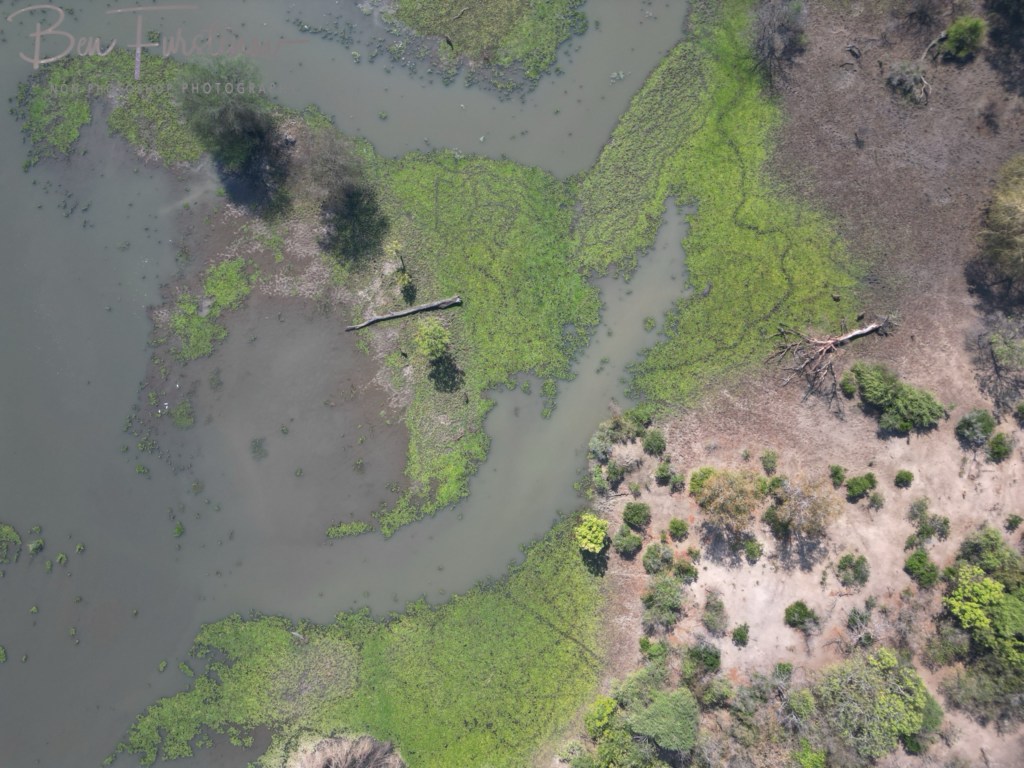
For a moment in time.
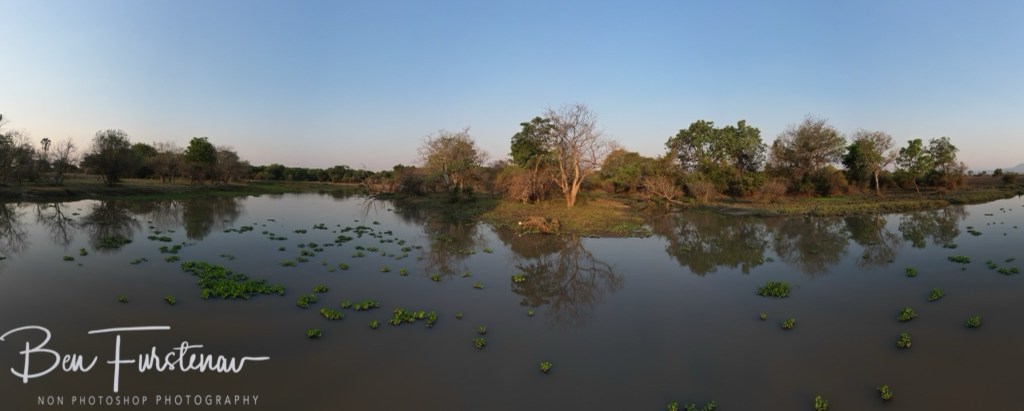
The water’s edge reflects the picturesque charm of this wildlife refuge nicely.

Peninsulas create an all-surrounding water spectrum.
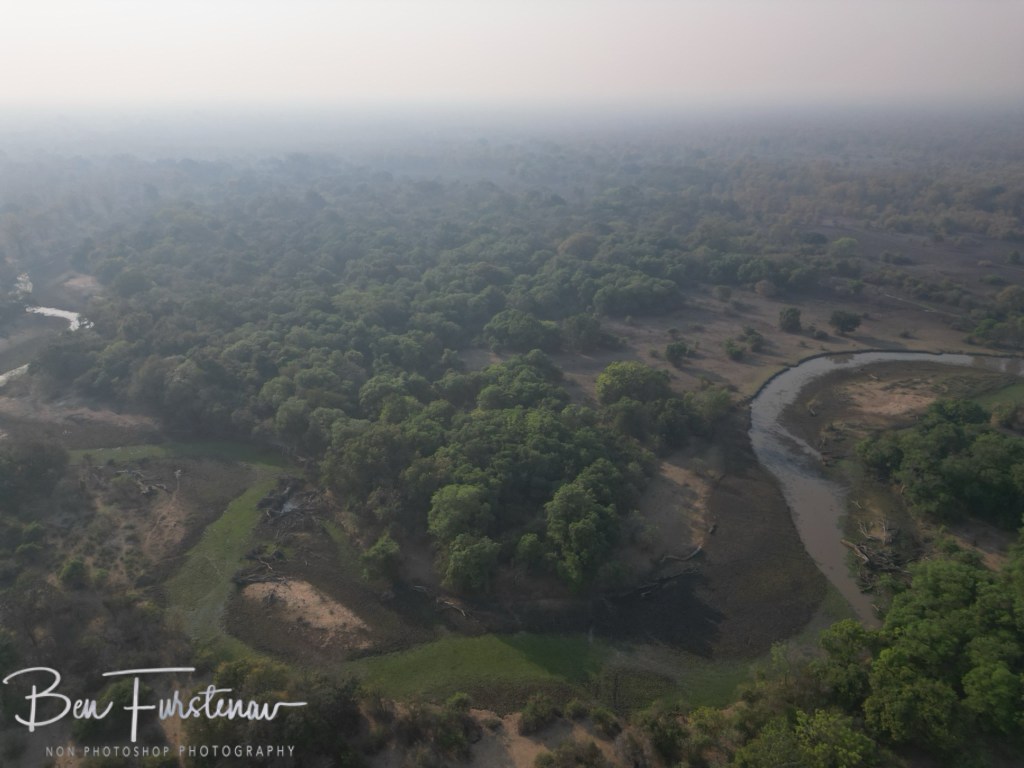
Channels and rivers merge into the vastness of the Shire River.

Hippos feel right at home here understandably. The endless shoreline gives each hippo pod enough space to save energy within this blistering heat.

Some families booked a holiday on a tropical coconut island.
‘If you like Piná Colada…’
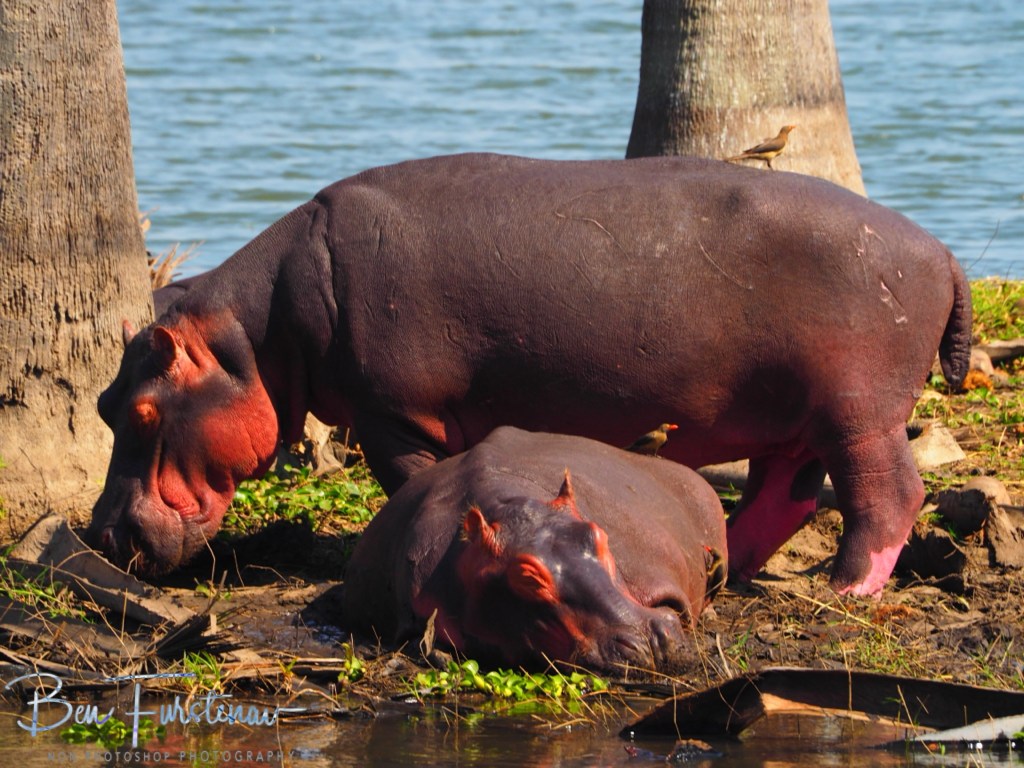
It would be wonderful to be a hippo right here and right now in cooling waters or covered in mud.

There are plenty of hippos here and they can be seen anywhere.
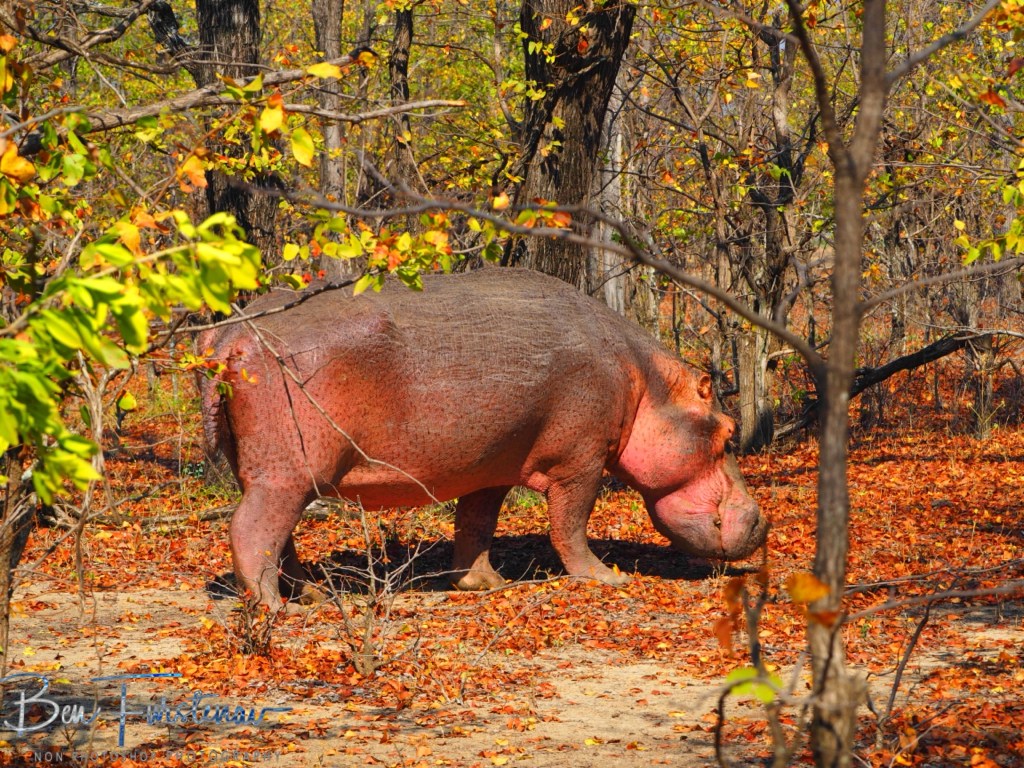
I was a little surprised to see this one wandering through the bushes in broad daylight. Hippos are generally nocturnal grazers, particularly in these steaming hot conditions.
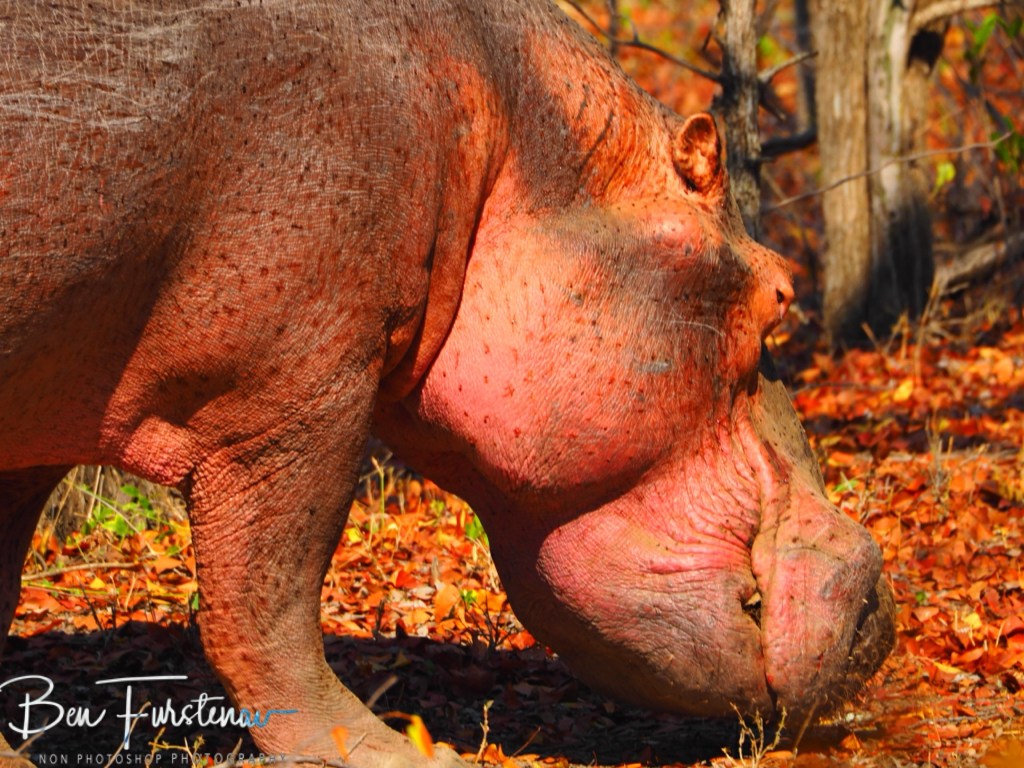
Hippos this size don’t have much to fear anywhere in Africa. Unless you are small and face a pack of lions.

This young hippo didn’t stand a chance, poor thing. It is confronting seeing a kill, even more so fresh.
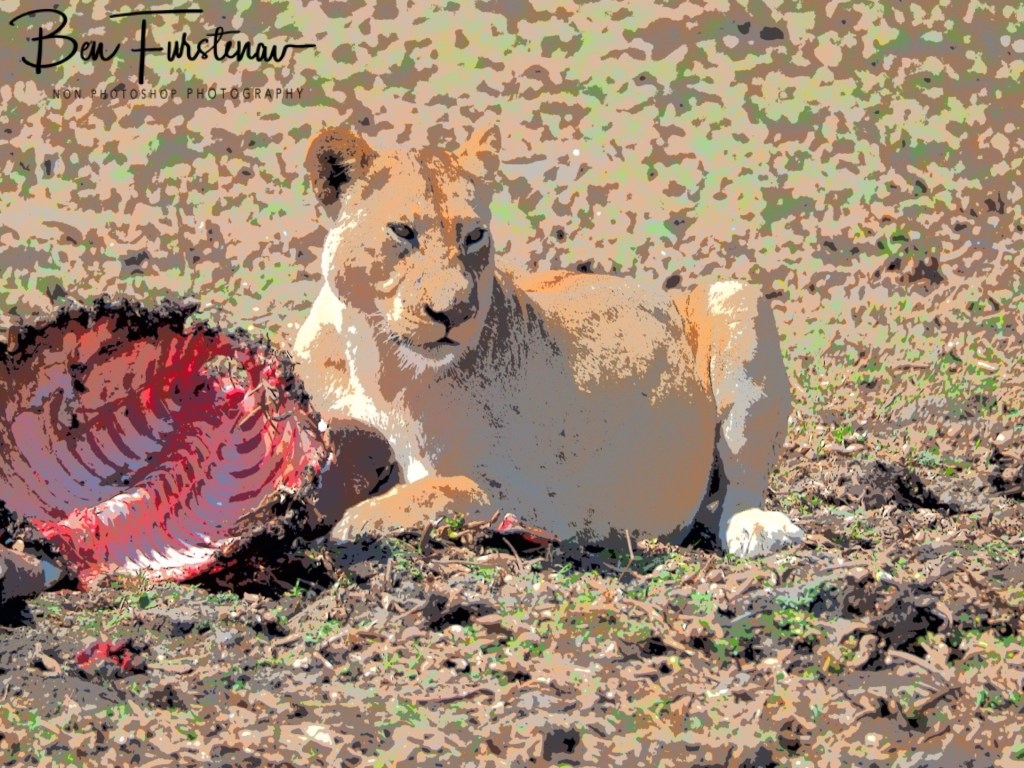
But on the flip side of the coin, it’s nature’s way. Live and let live. Lions made a kill early on my very first morning at Liwonde National Park. A fellow visitor gave me directions to this point of interest.

Most members lay in the shade with full bellies. One needs to rest after this feast.
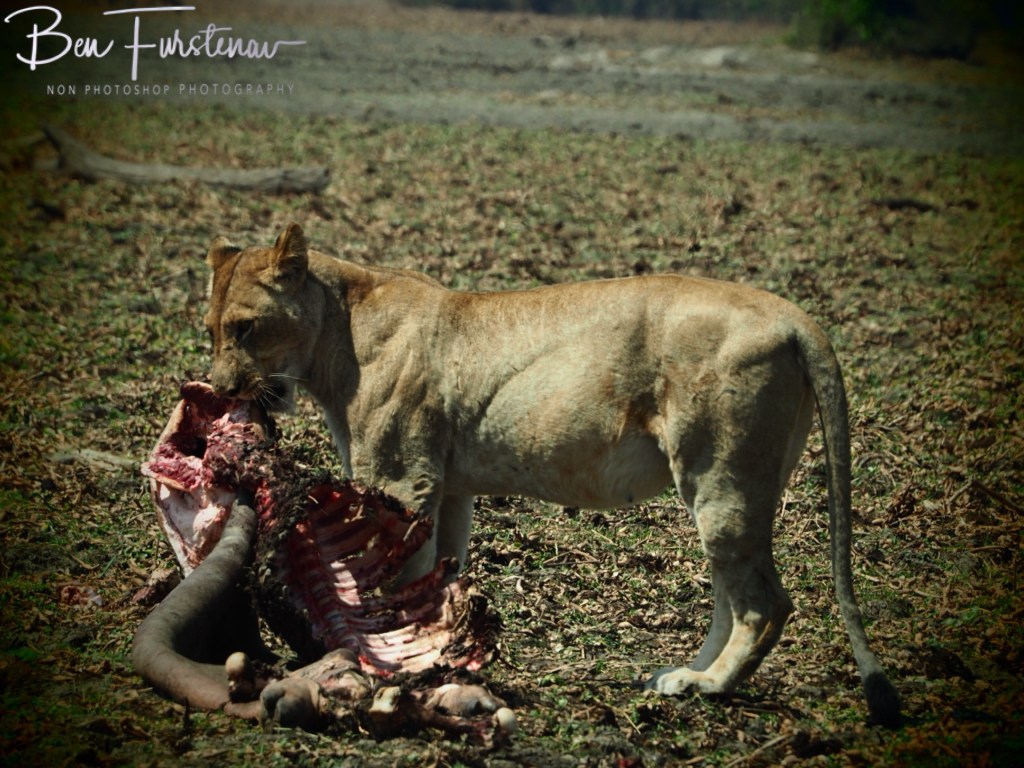
Only one lioness was still hungry and had leftovers for lunch. The heat seemed to bother her as she tried to move the carcass into the shade. This pride of lions seemed to specialize in hippos as they didn’t move from this proximity over the next 4 days of my visit.
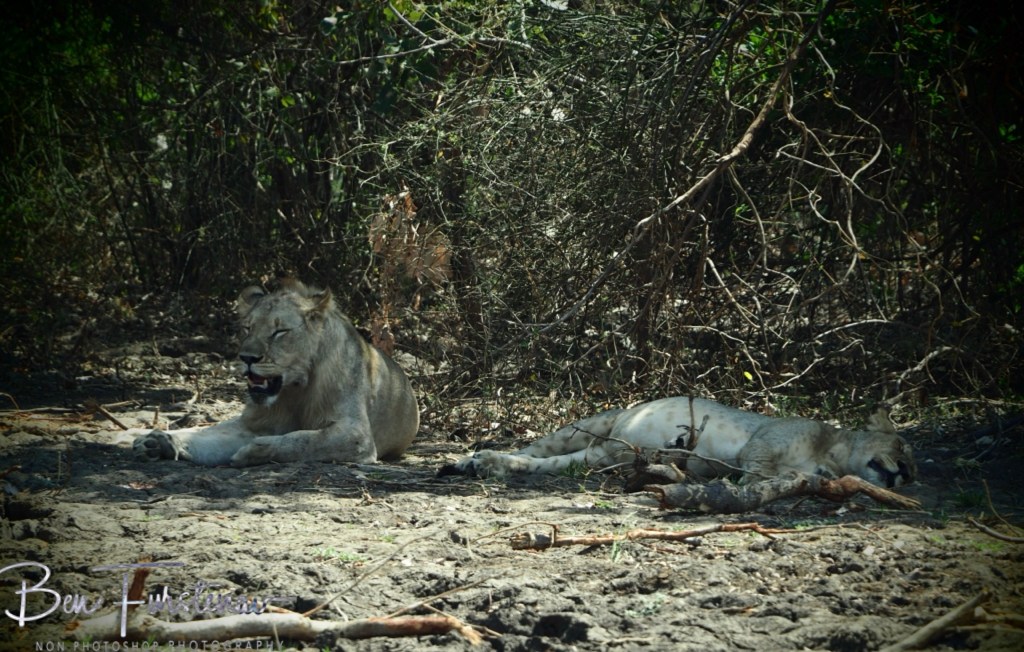
I found these cats in the same area, give or take a few hundred meters. Some days they lay together under the same bush.
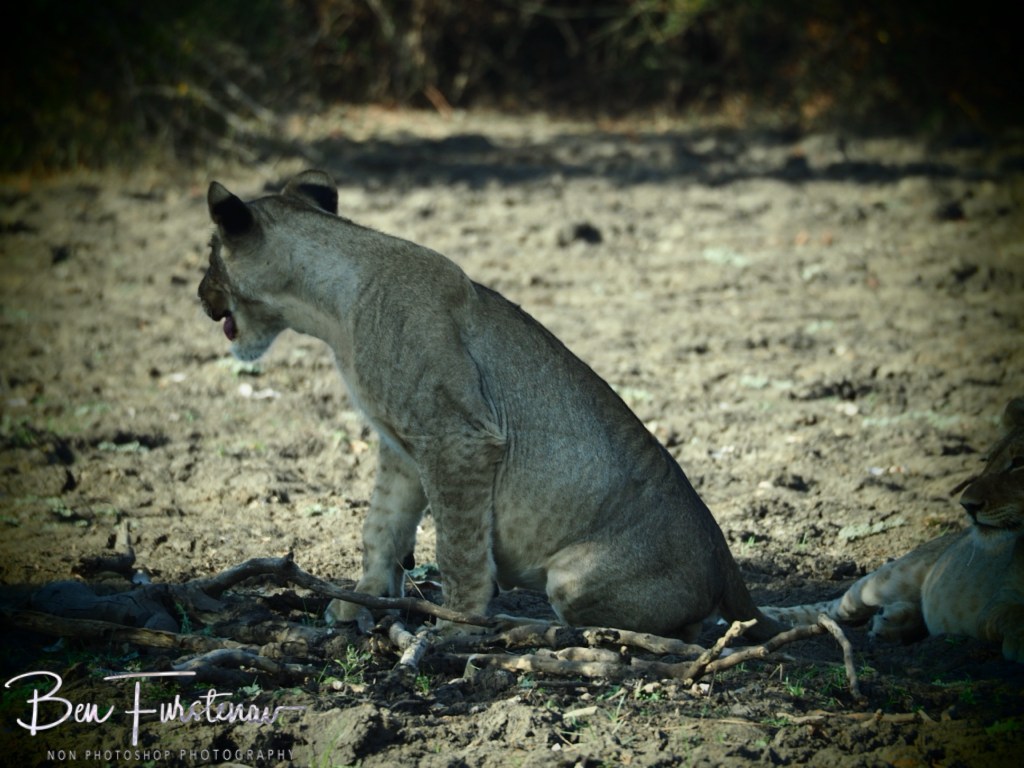
The cubs went to lion school the next day.

These big cats moved only once in front of Zimba on a surprising encounter.
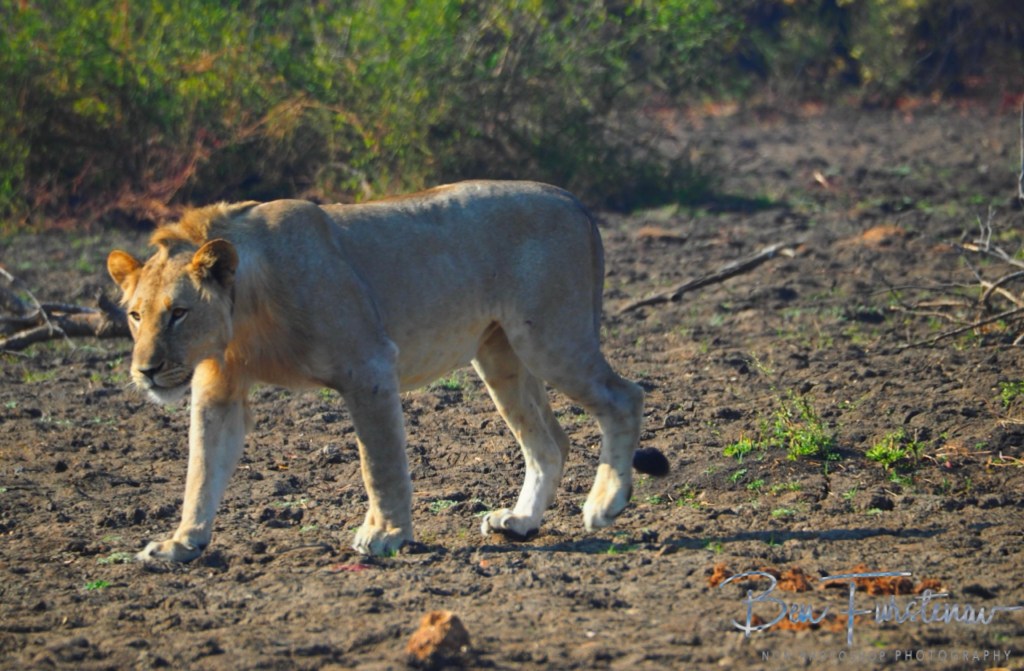
They probably had enough of nosy visitors snapping their cameras.
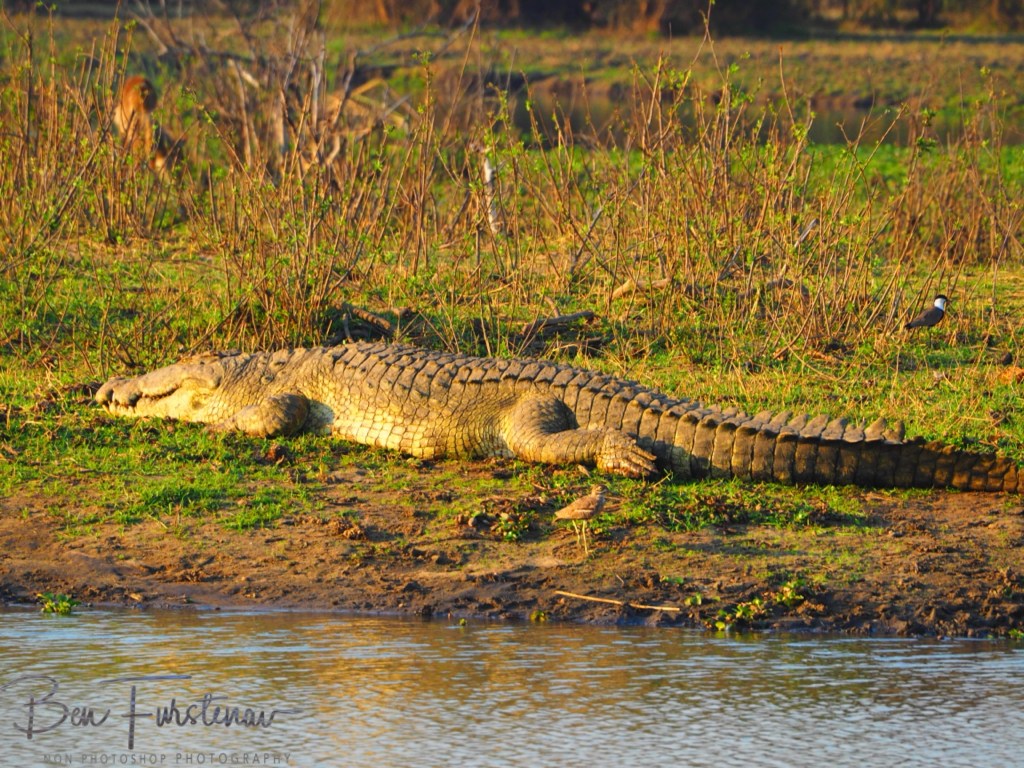
Where there are hippos, crocs are never far off. It’s rarely seen that crocs attack hippo babies (YouTube) but more the fact that both live in the same environment. It’s very rare for Crocs to lay still for the camera too, particularly within this grassy green backdrop. These lizards haven’t changed for 60 million years. Why change a successful recipe?
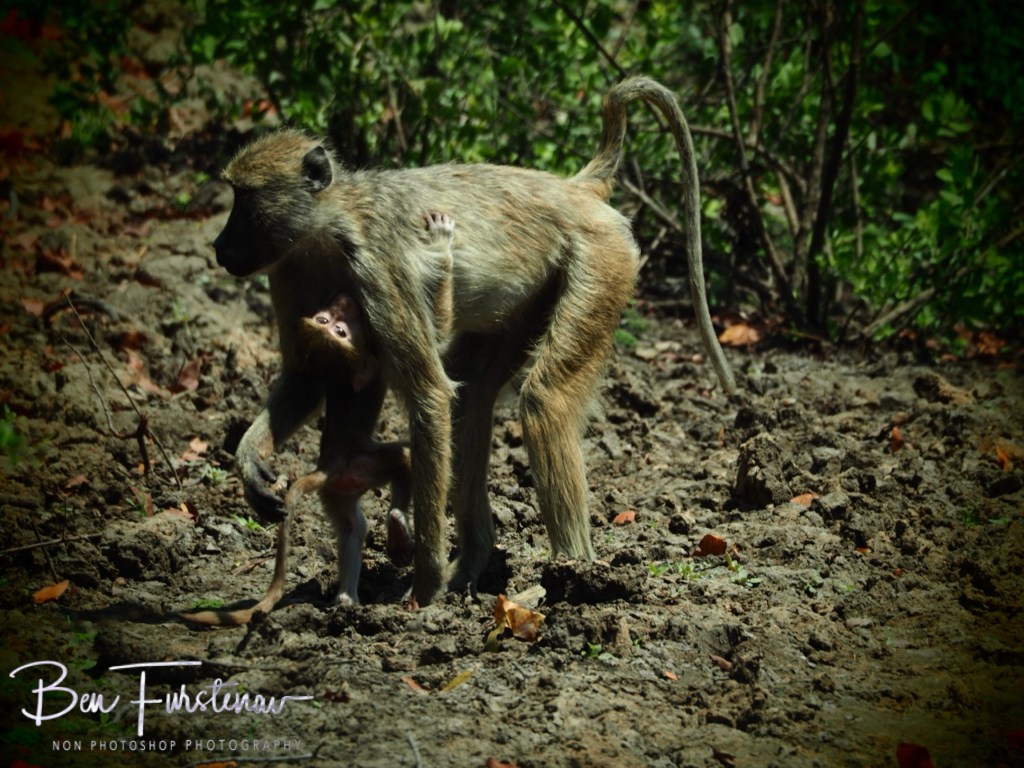
What the cats lacked in energy, baboons made up for it. Coconut is a resourceful food supply, hard work nonetheless.

They don’t come loose from the palm tree easily. Opening them is a different matter altogether. But where there’s a will, there’s a way. This clever monkey deserved a refreshing coconut cocktail.

Digging through elephant poop is a vital source of insect protein.

Elephant poop is the most important fertilizer on the African plains.
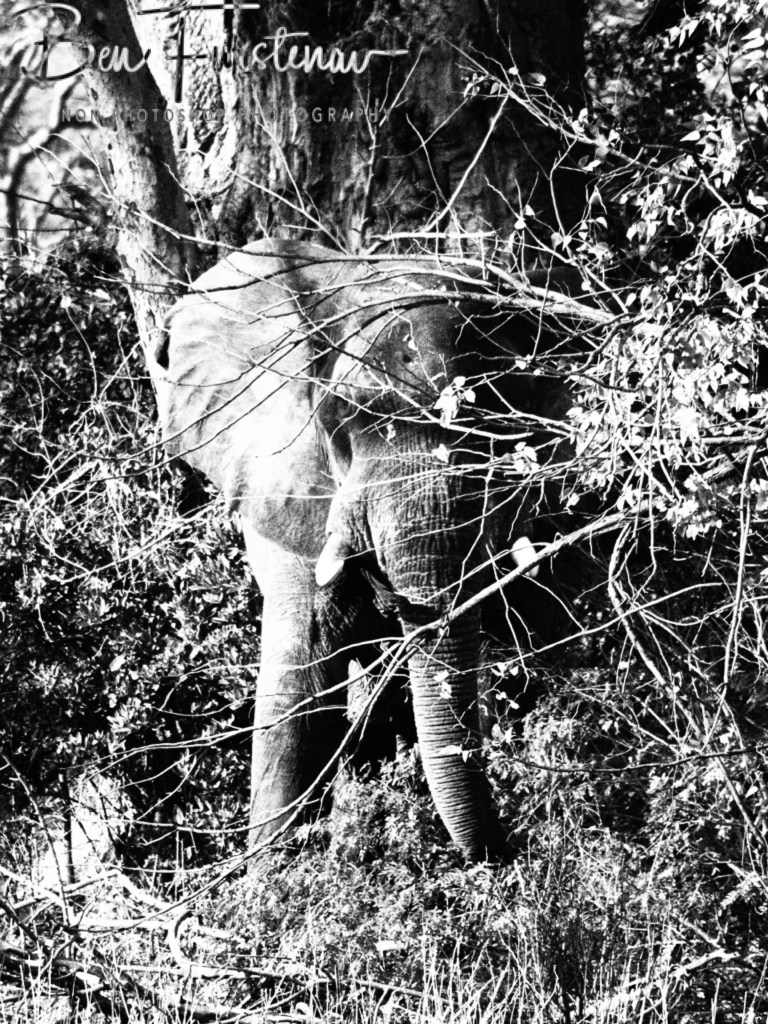
Digested seeds and fruits germinate so much easier and directly, as destructive as elephants are, they are responsible for a lot of regrowth.

I saw a few herds of elephants but most appeared a bit camera-shy.
Cheetahs were spotted some mornings in various locations. Not at the location I was at that point in time. Bummer. These shy cats are usually gone by the time you spot them.
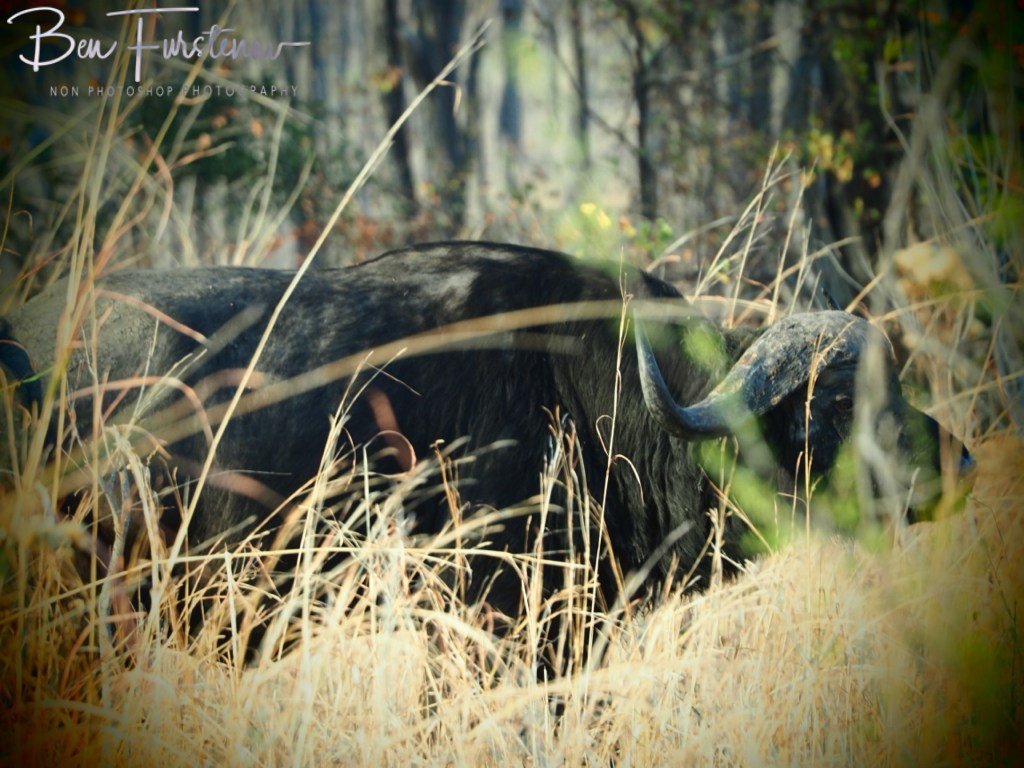
Apart from tsetse flies, a few herbivores roamed the inland bushland. I was lucky to spot this big buffalo.
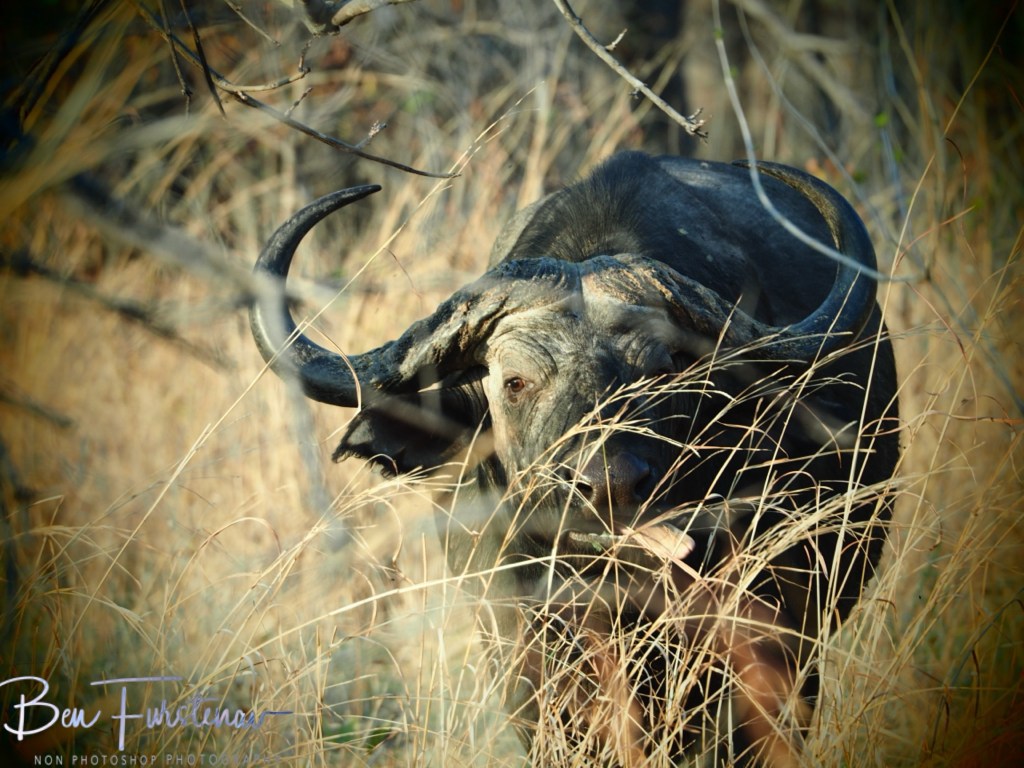
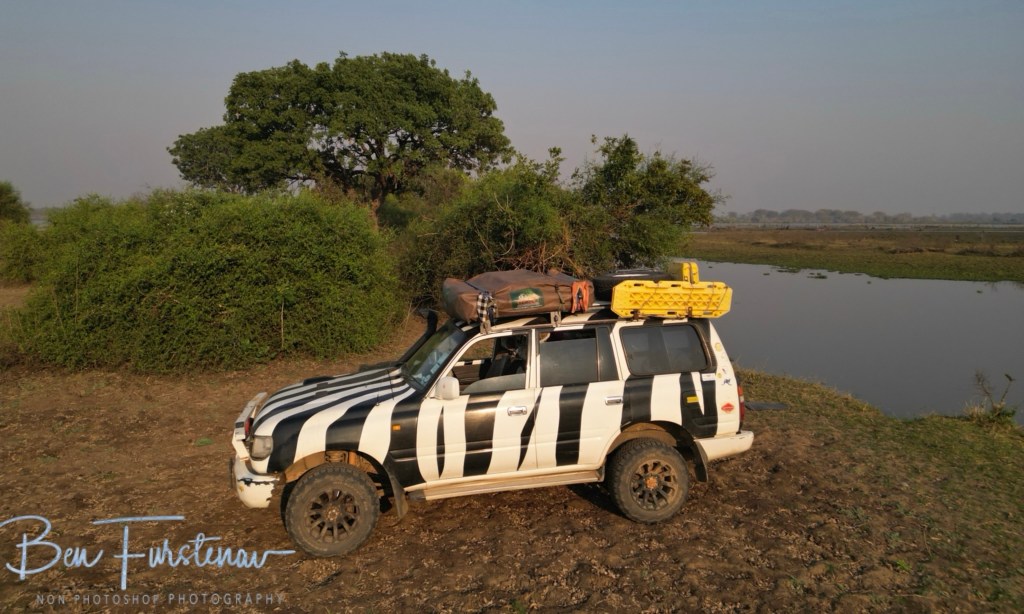
He looks quite comfortable in the high grass, looking at my zebra.
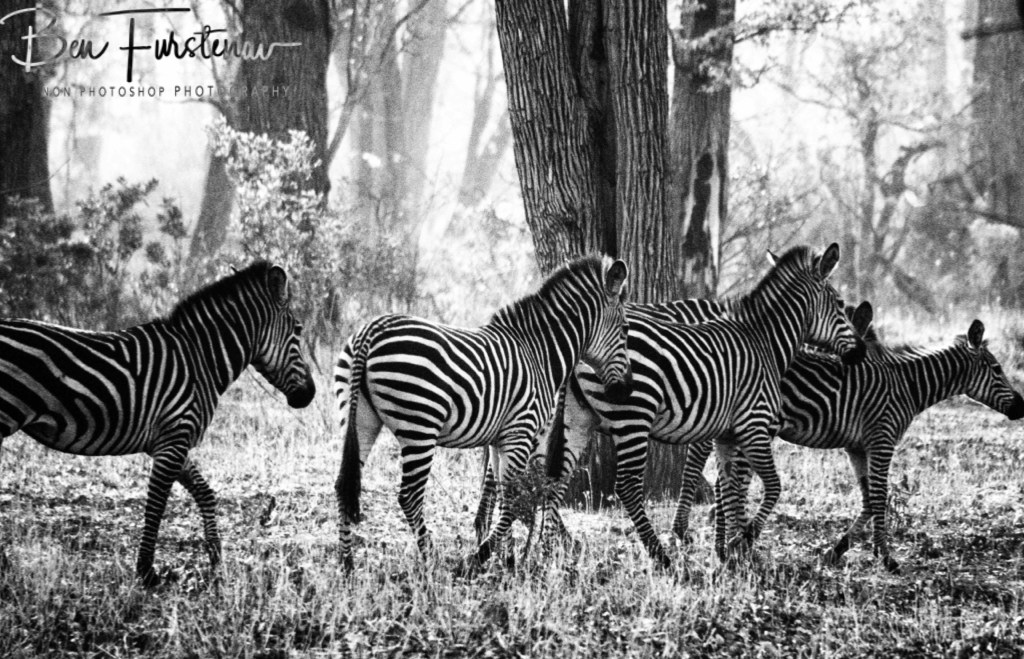
The zebras here are of a special kind as their markings extend all the way to their hoofs. They still didn’t know what to think of my mechanical version.
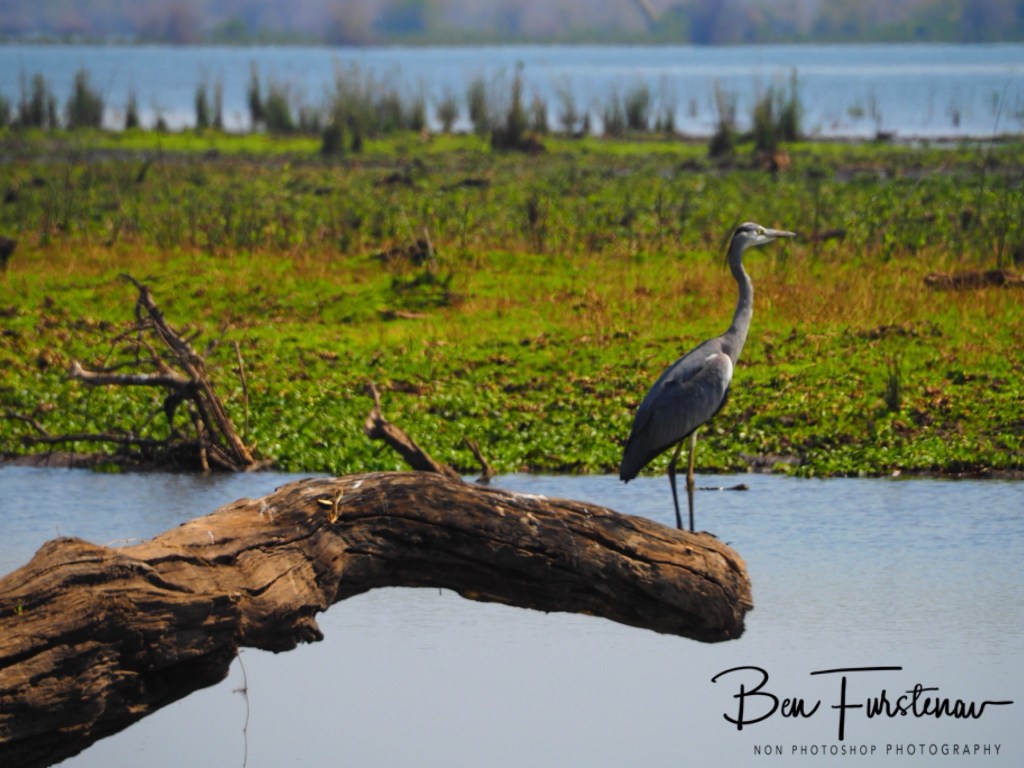
Liwonde National Park is an important habitat for birdlife just as well. Not only for the locals but for feathered migrants, flying from or to their breeding grounds.

This would be a birdie spectacle in the wet season. I should return in the wet season next time.

I had a great time at Liwonde National Park due to the mix of tranquility and serene views.
It felt somewhat surreal to spot animals and not be surrounded by cars and people.
Sitting at night under the stars just hearing the sounds of nature was definitely the highlight.

The only way you hear elephants is when they crack twigs and branches. Otherwise, you wouldn’t even know that they are right beside you. Wonderful.
 Travels with Ben