Just like the Mulanje area, I left and returned to the southern shores of Lake Malawi 3 times for similar various reasons. I am just as fond of Mulanje as I am of Chembe Village for the very same different motives and similarities.
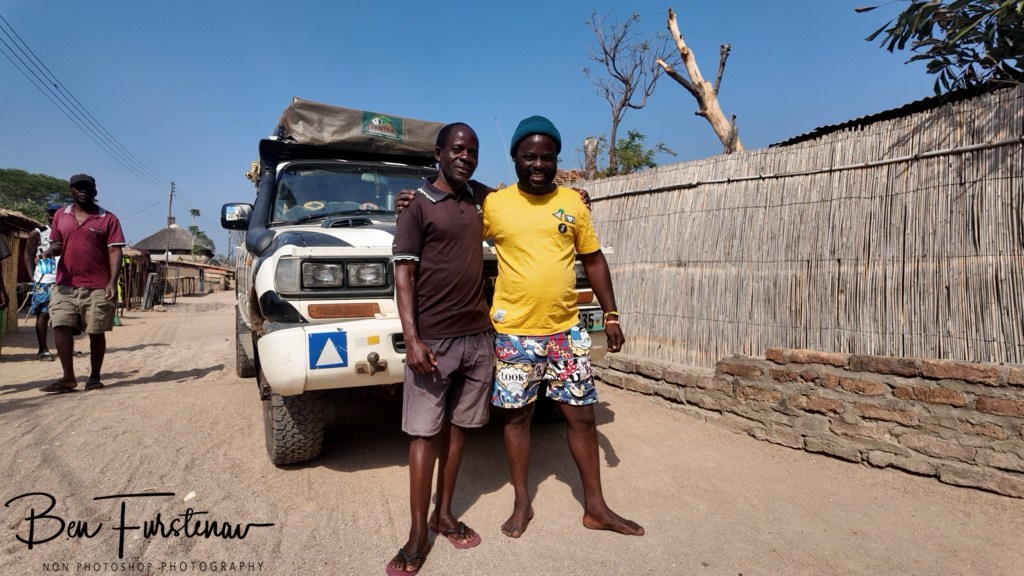
I had friends and made new friends here as well. How lucky am I?
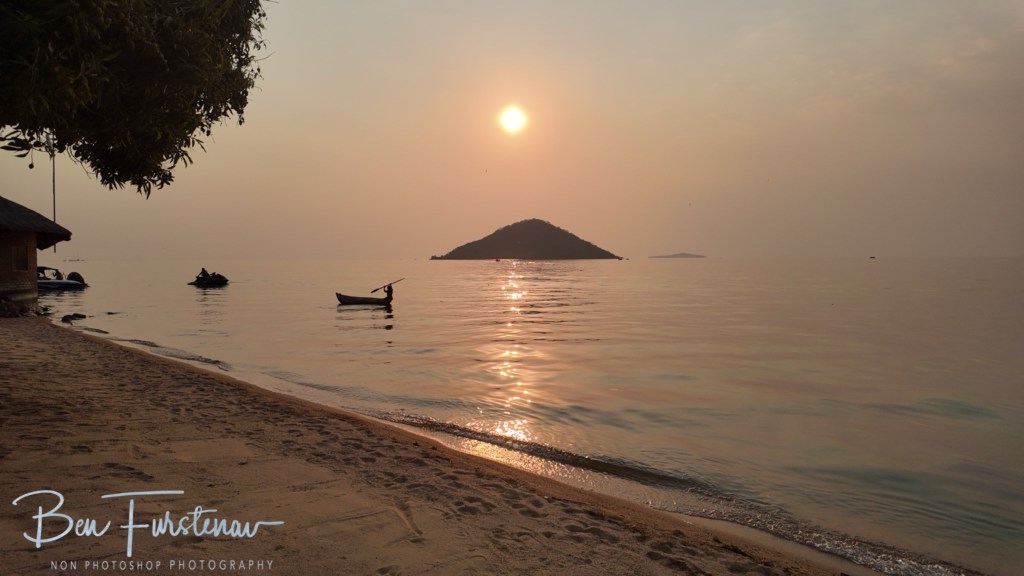
Lake Malawi is also known (I hadn’t before) as the Calendar Lake.
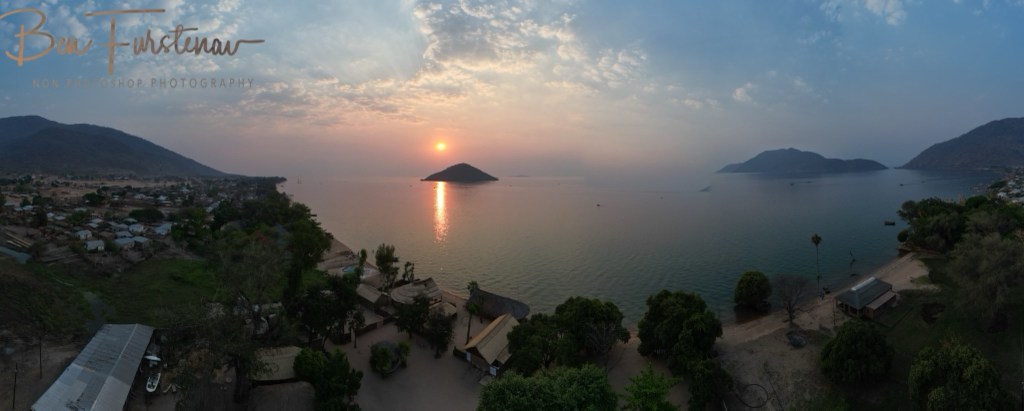
It is 365 kilometers long, 52 miles across, and has 12 main rivers flowing into the lake. So they say.

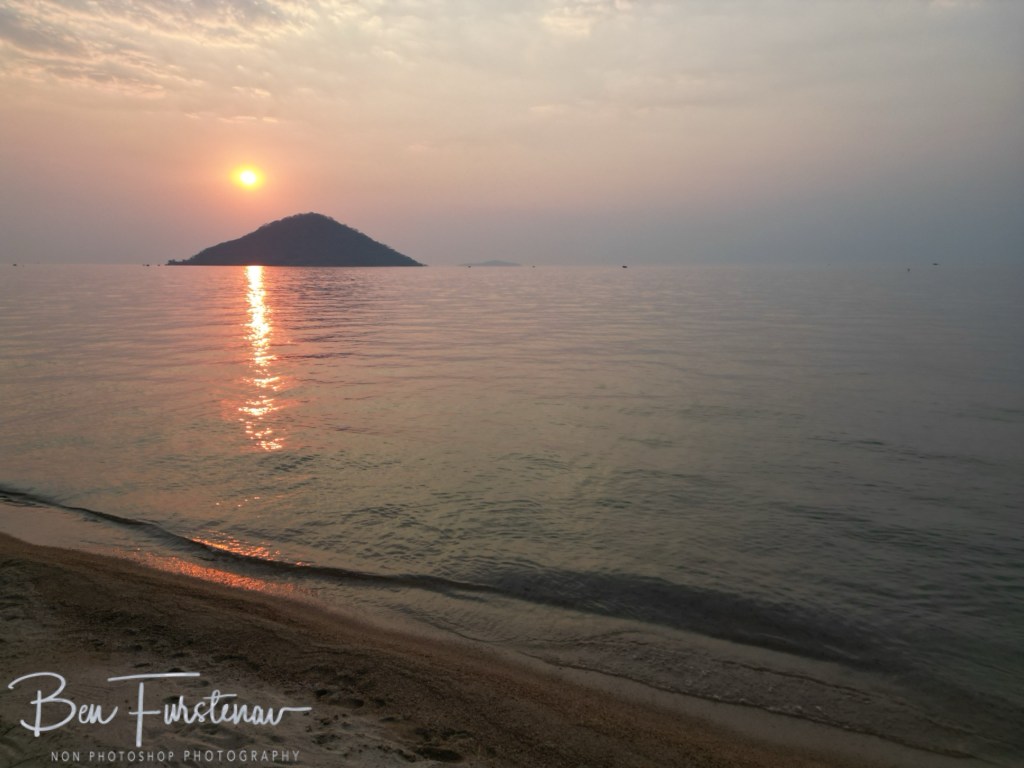
I prefer calling it the Lake of Stars.

Little stars they are. Not too many tourists venture to the southern edge of Lake Malawi. Which is what I prefer.
But it doesn’t generate sustainable income for locals.
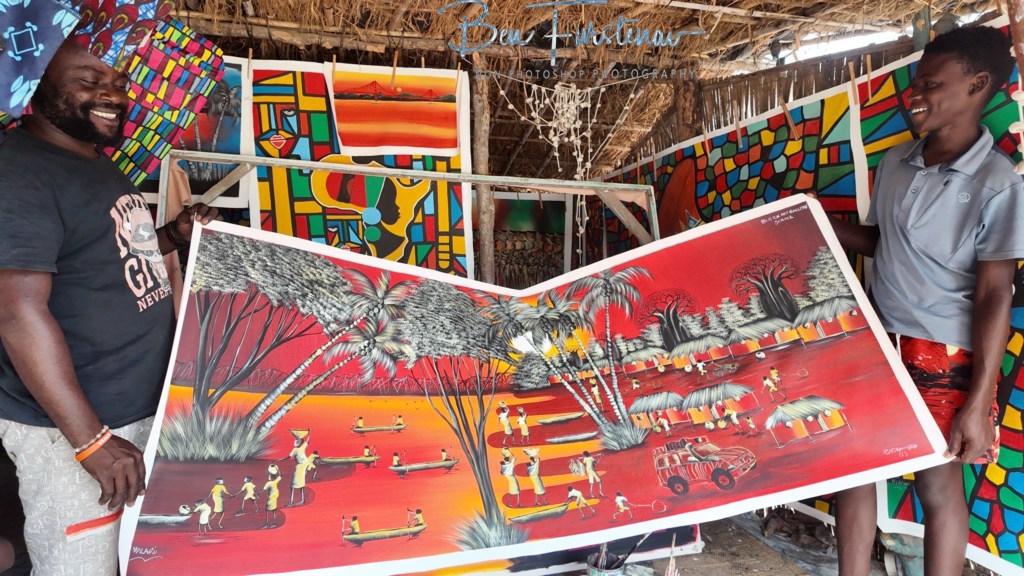
Artists and street vendors depend on visitors to make a living.
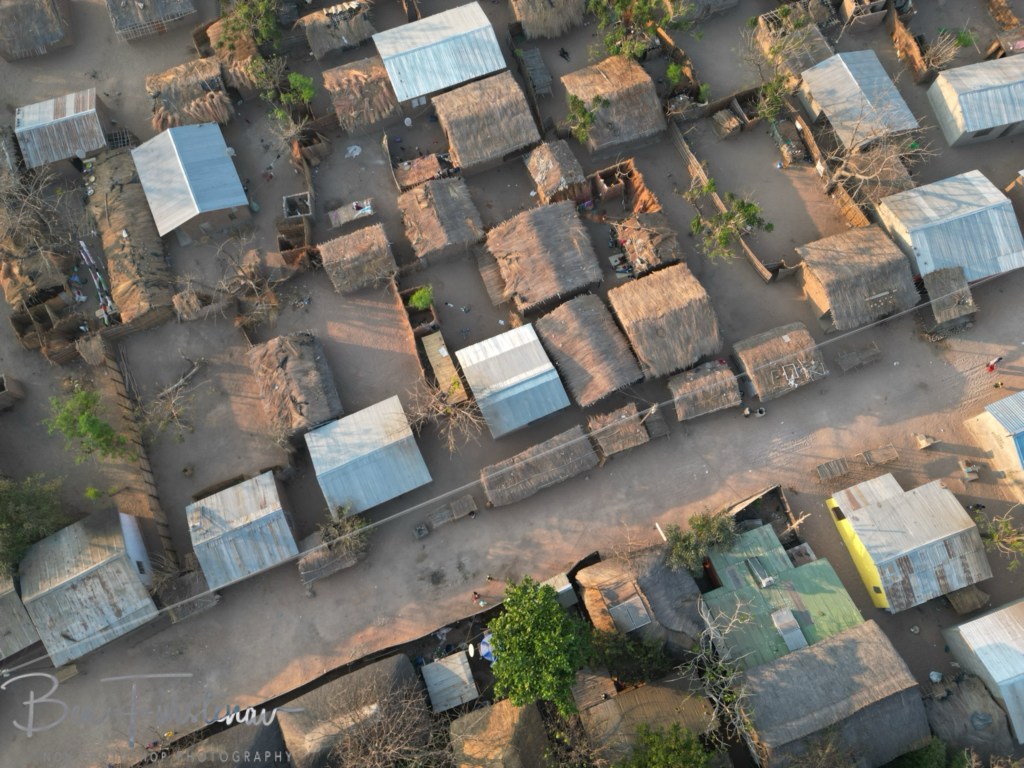
And like many other places in Africa, tourism is dying out.
Needless to say that I was bombarded with attention from locals of all ages. Most asked for food or money to support.
Actually, no! They don’t ask.
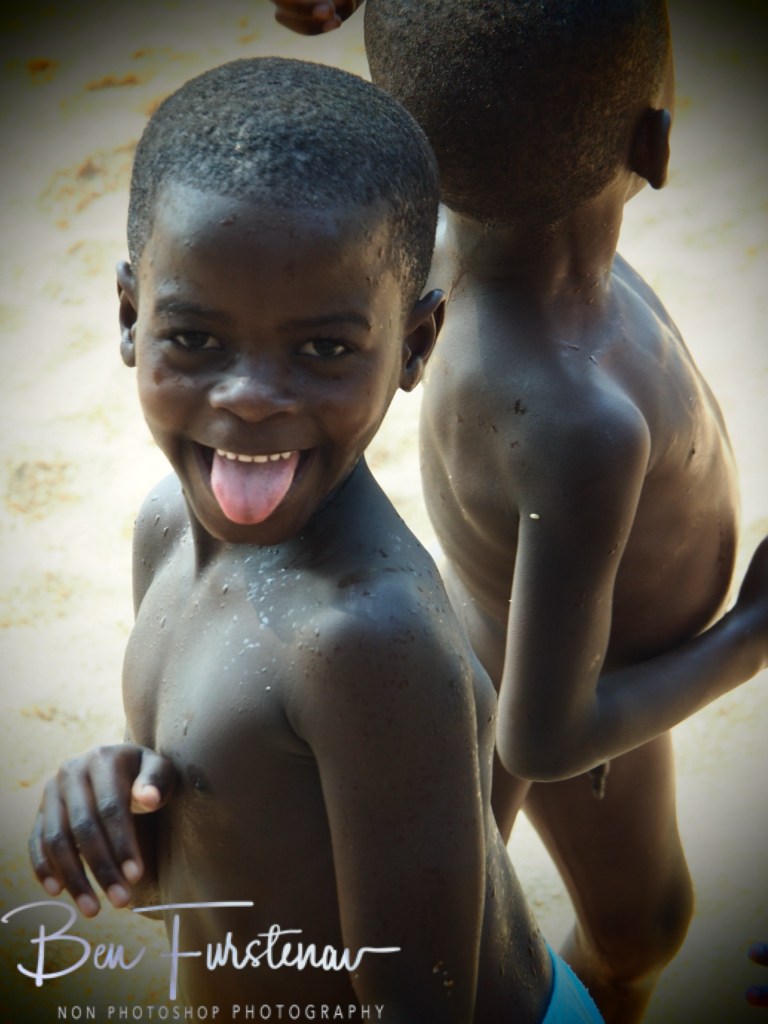
Most demand rather rudely for help in any way. I don’t know if they realize their behavior or what they are saying, but this is how it is nowadays. A ‘please’ would be nice to hear now and then.
Anyway, Just smile and wave.
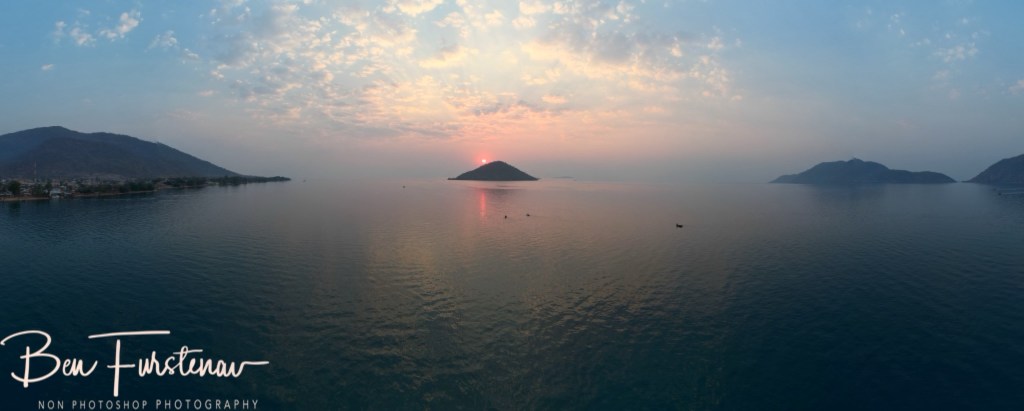
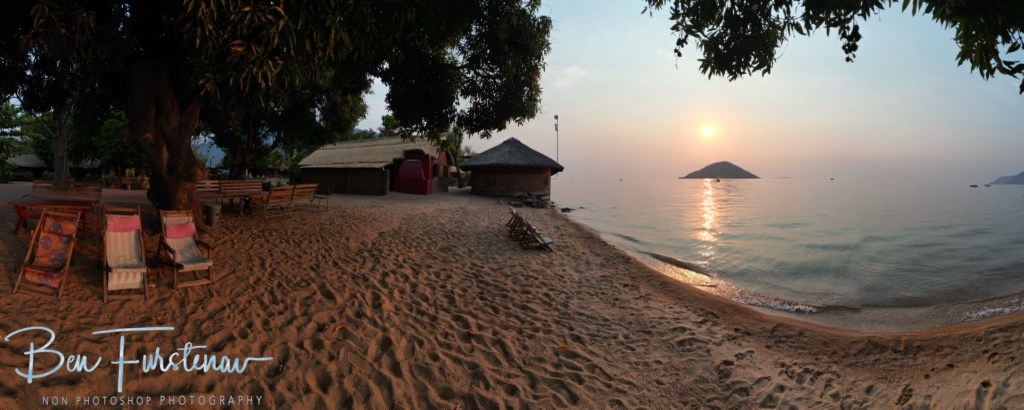
The biggest and the most obvious change from 2018 was Lake Malawi itself.

The water levels had risen by at least 5 meters to my estimate. The beachfront all but disappeared.

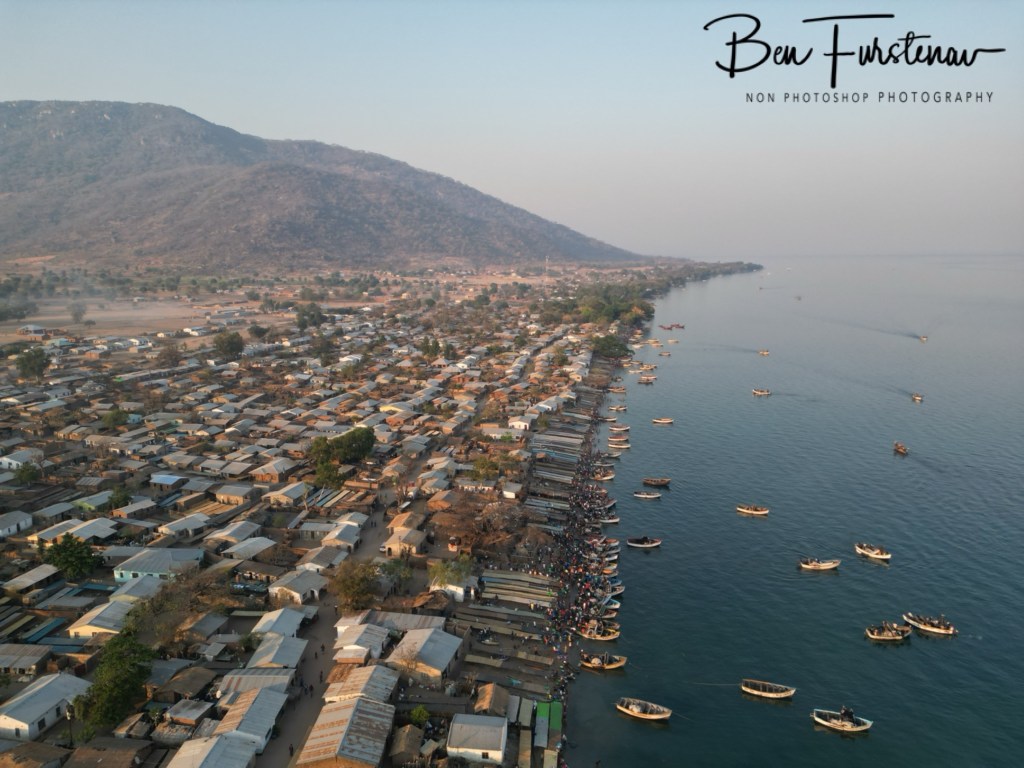
A gentle stroll alongside the lake is impossible due to private housing and fencing.
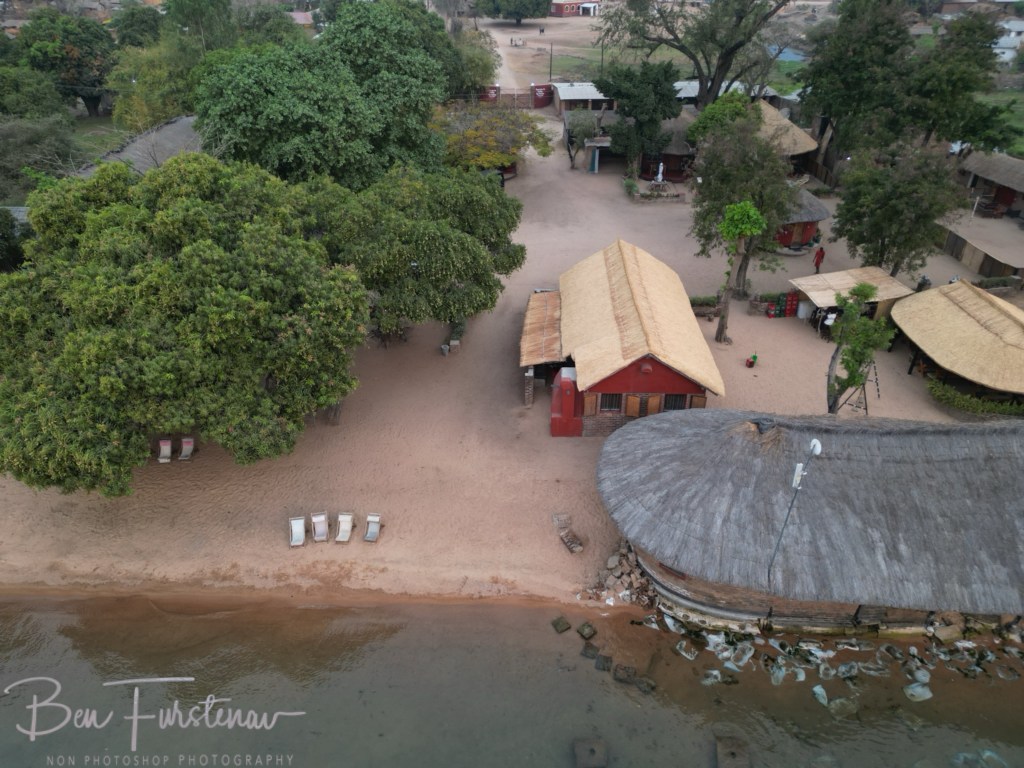
Buildings built within this ‘high tide mark’ were inundated and partially submerged for months. Some still are.
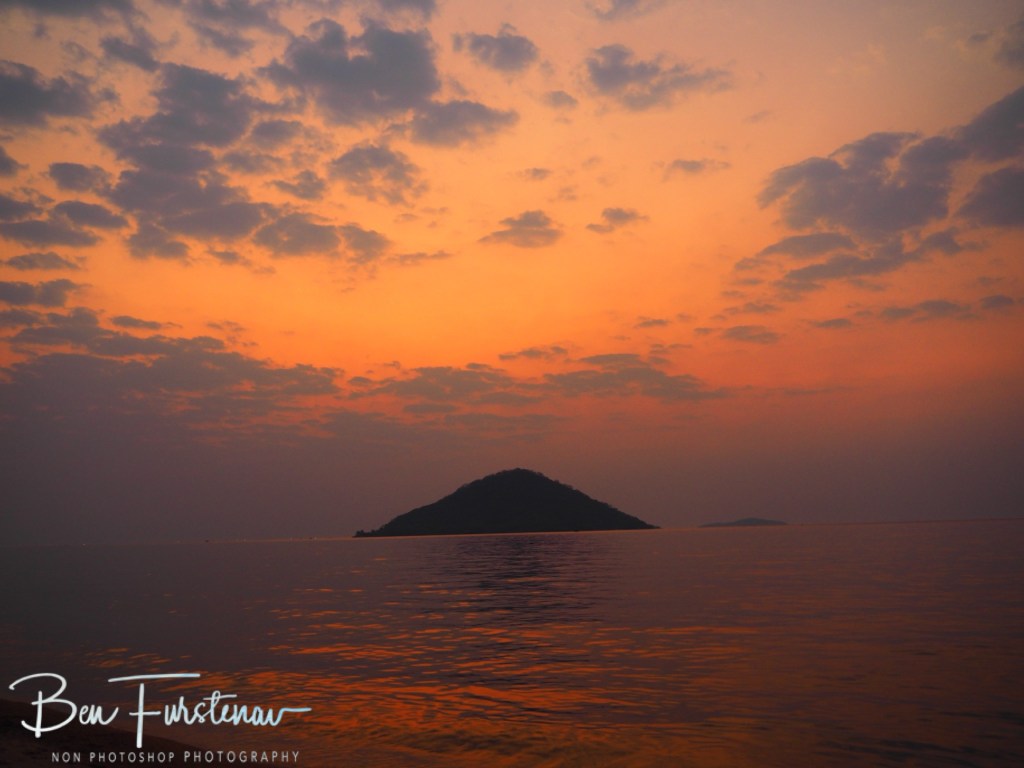
Considering that Lake Malawi is Africa’s third largest lake and one of the deepest in the world, try to calculate on how many millions of cubic meters of added water had spilled into the lake.
There are a few different theories about the reasoning.
Some say that recent heavy storms contributed to the increase.
A dam was built somewhere which could be another factor.

Or, lying on the Rift Valley, the earth had actually shifted and lifted water levels up. But such a move would have been heard, felt, and instantly seen.
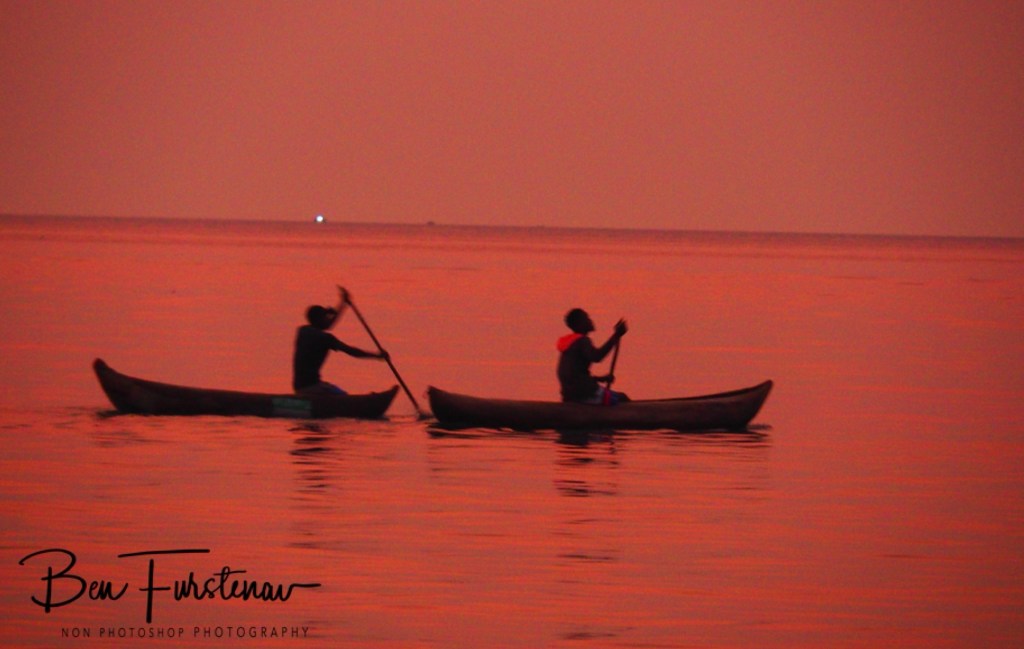
It’s unimaginable on how much water is needed to lift waters to this level. It probably is a combination of all factors, with the next wet season not far ahead.

I camped under this very same mango tree six years ago, miles away from the beach.
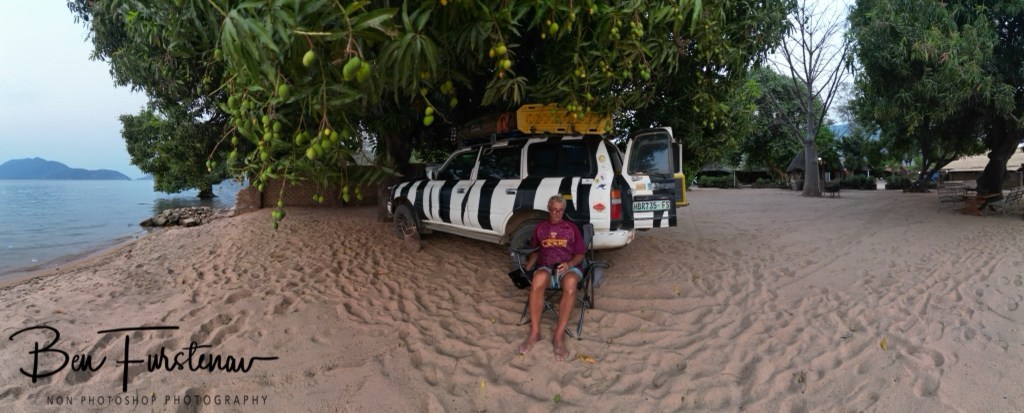
Today, the beach was on my doorstep ladder.

‘Fat Monkeys’ was a buzzing traveler destination back in the day. This time around I was the only camper.

This trend has been following me on this year’s travels. It felt isolated.

Not completely isolated.
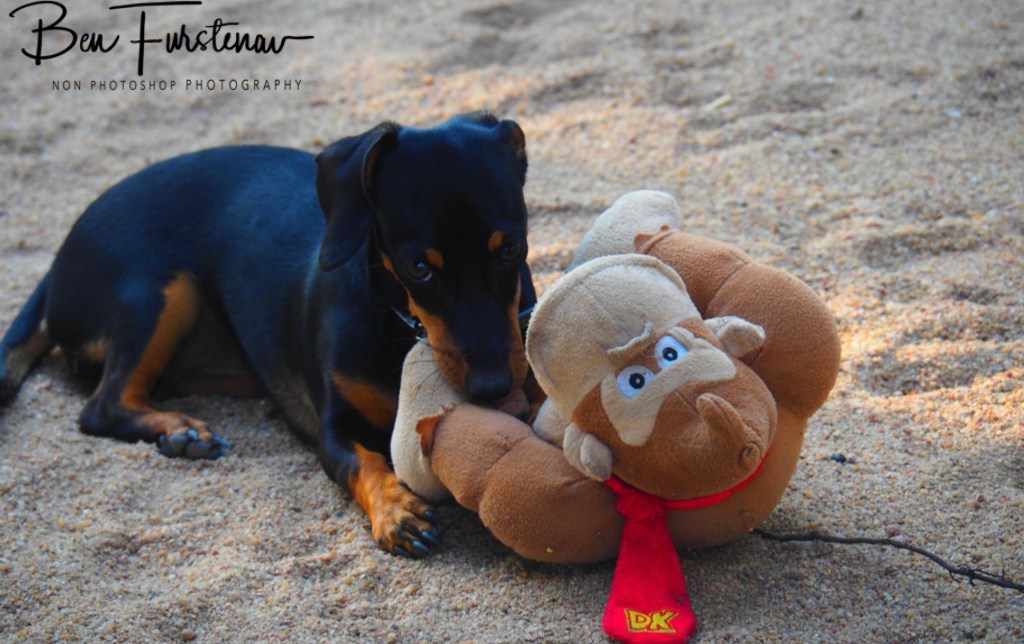
I found a new friend being a silly sausage. Interesting how I spend more time with animals at campgrounds.

Even the pets are bored of humans unlike me.
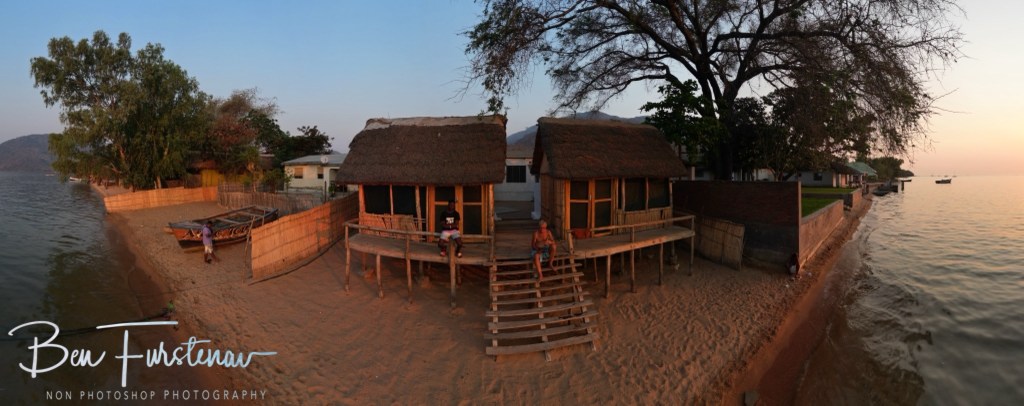
I met up with Chikonde on my second visit to the lake. Chico owns a holiday house by the beach and invited me to stay in her eco-resort.
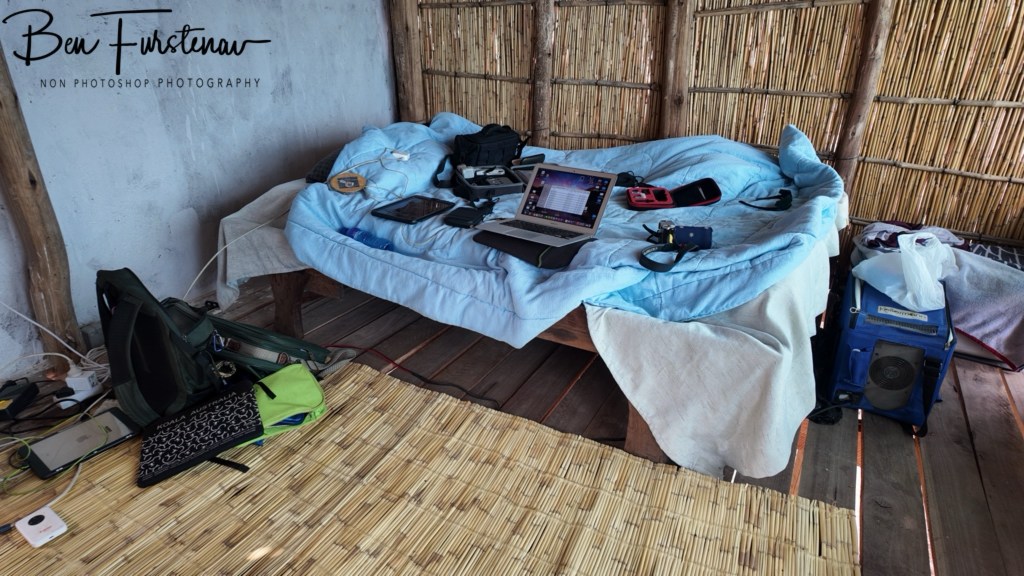
A basic setup, bed, and shower, but that’s basically all I need. And some electricity to charge my office tools.

The house was located in between two public laneways to the shores of Lake Malawi.

Right in the center and in close proximity to other lodges and guest houses. This is one of the few areas with some sort of a beachfront left.
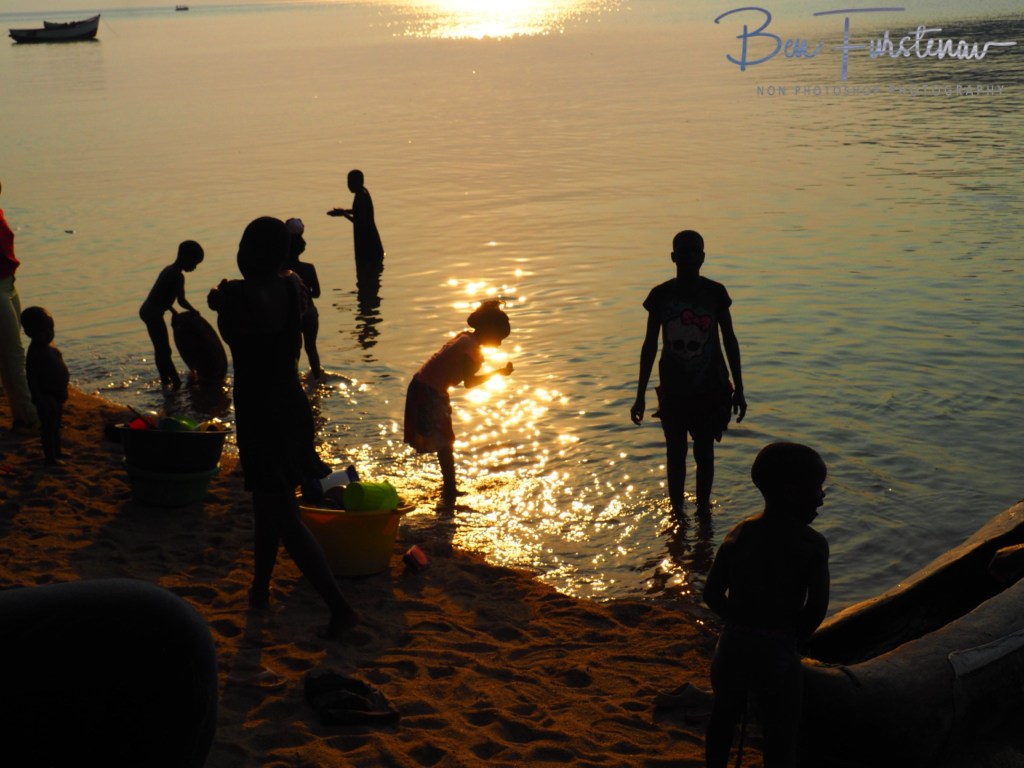
This made this a very popular spot by the locals. It’s a playground, open air pool, launderette as well as the local dishwasher, all in one.

A stranded fishing boat occupied most of the beach to the right, making it a perfect explore ground for kids.

No need for an alarm clock either. The first arrivals appeared before sunrise, often with toddlers strapped to the back.
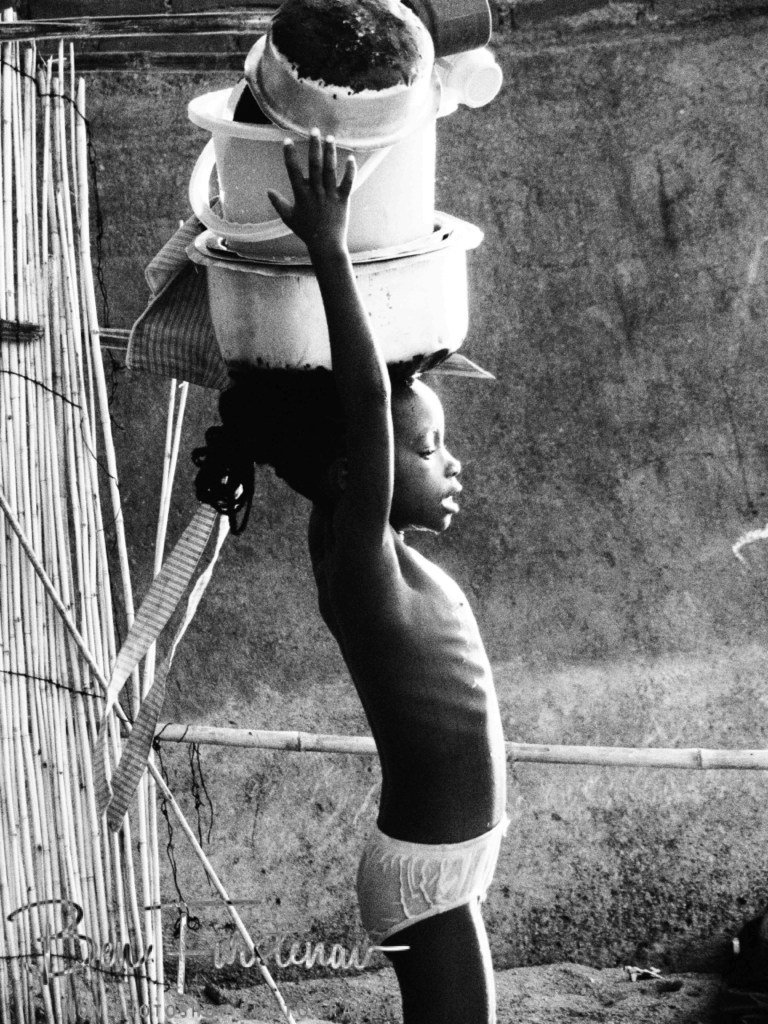
Pots and pans from last night’s Ndsima meal needed to be washed.

The coarse sand is perfect to use as a scrubber. Plenty of soap does the rest and spills into the clear waters.
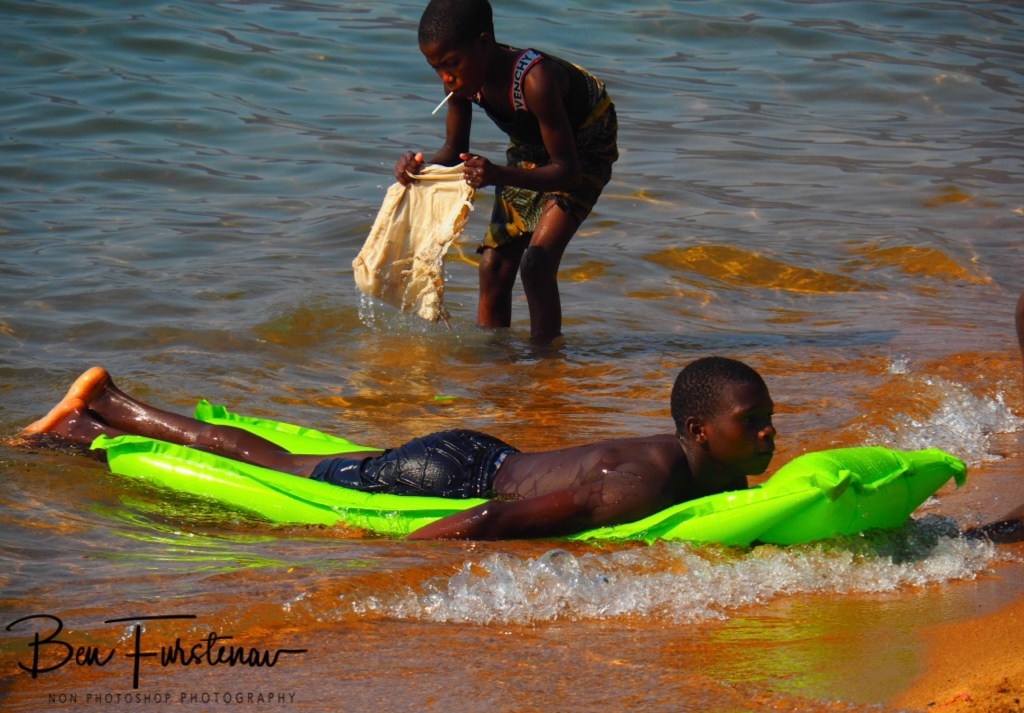
Not to worry, next up are frocks and pants.

By then the kids are already out for the shower in the lake for those who can afford to go to school.

Accompanied by chickens, ducks, and dogs. These picked washed-out leftovers spilled into the lake.

There’s a freshening smell coming from the lake, destroying the natural environment.
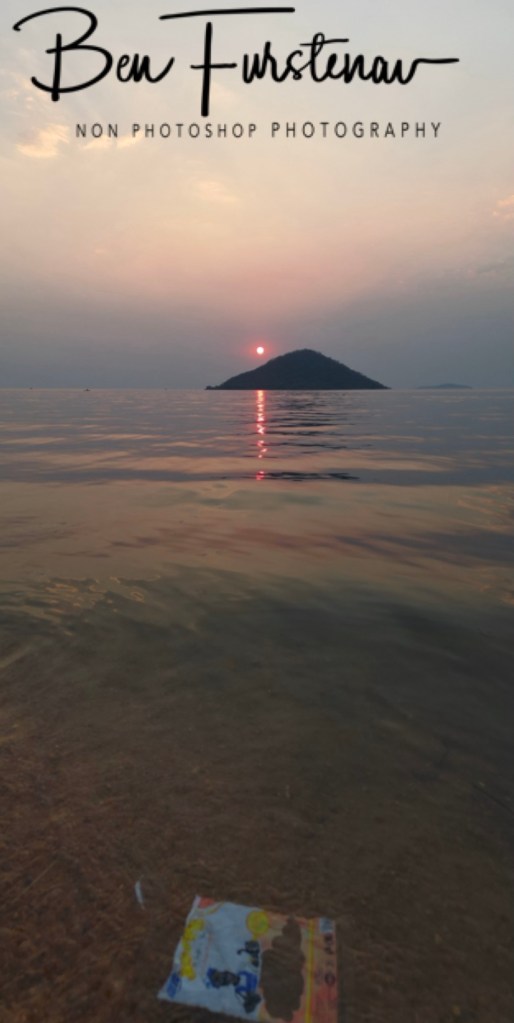
I personally think that the amount of plastic and soap thrown into these clear lake waters increases water levels.
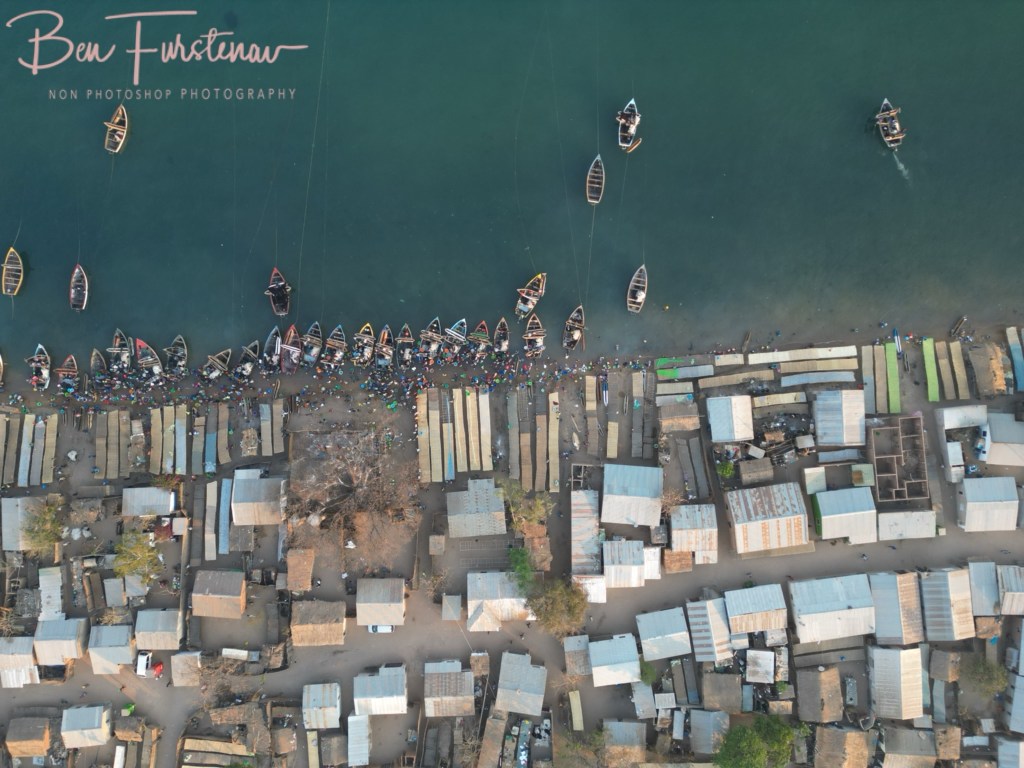
It is astounding how much rubbish is washed off.

Let’s estimate how many more years this calendar lake will survive.
 Travels with Ben