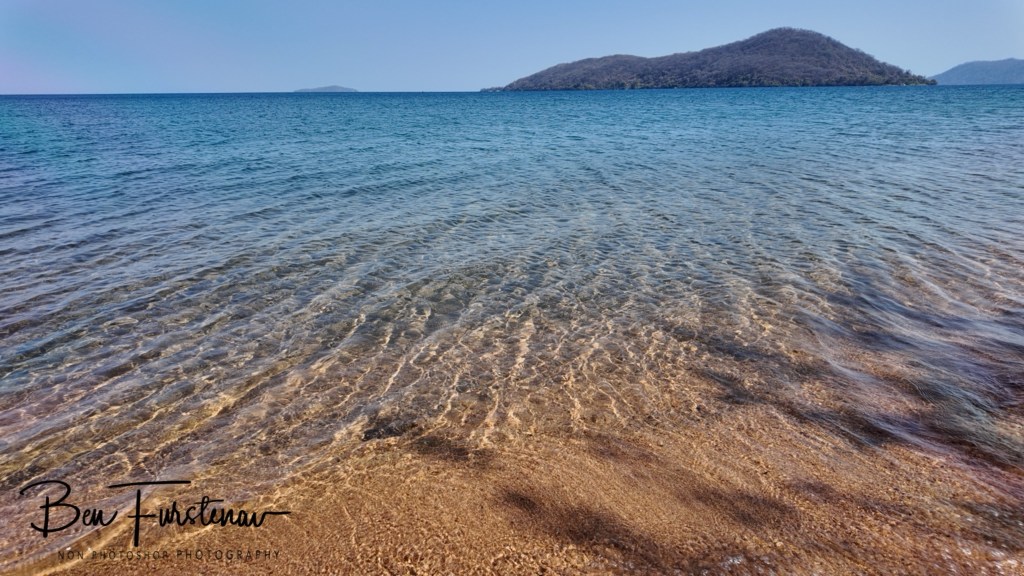
Life is @ beach here in Chembe. Gentle waves sway over the coarse sand.
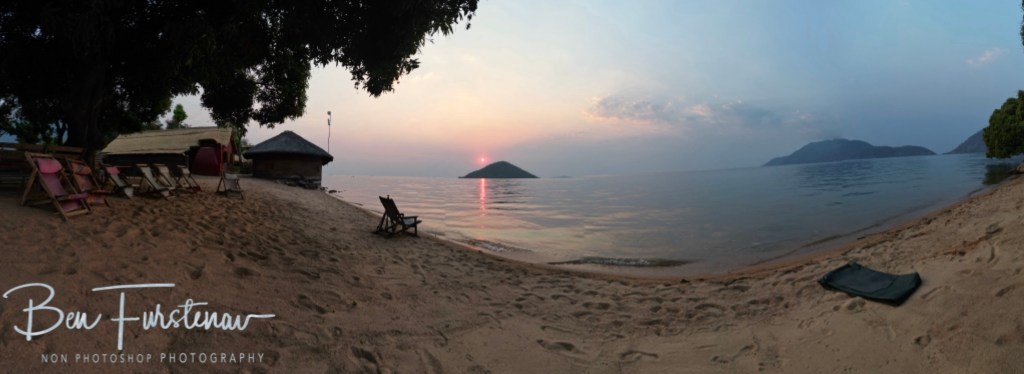
One could think I am on a tropical island.
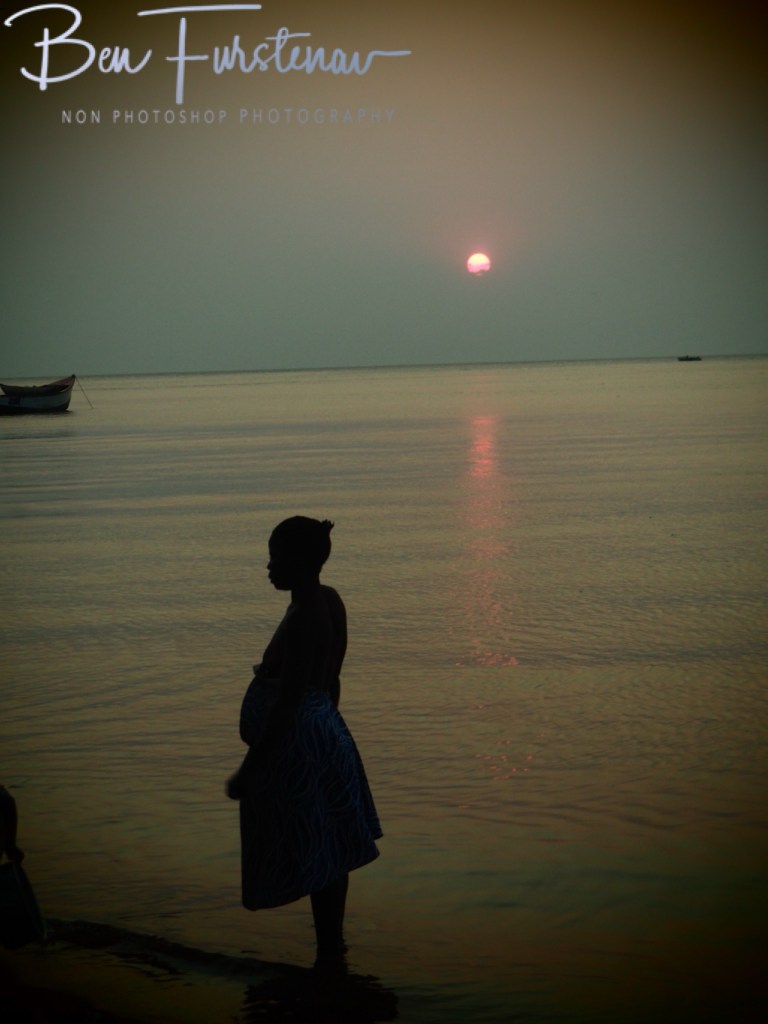
Until the early morning wake-up call from one or the other local woman.

It is still dark outside and the washing was often accompanied with easy listening songs in Chichewa. Soothing sounds saying it’s time to start your day.

Mr Mazda had been night security, making sure that we all are safe.
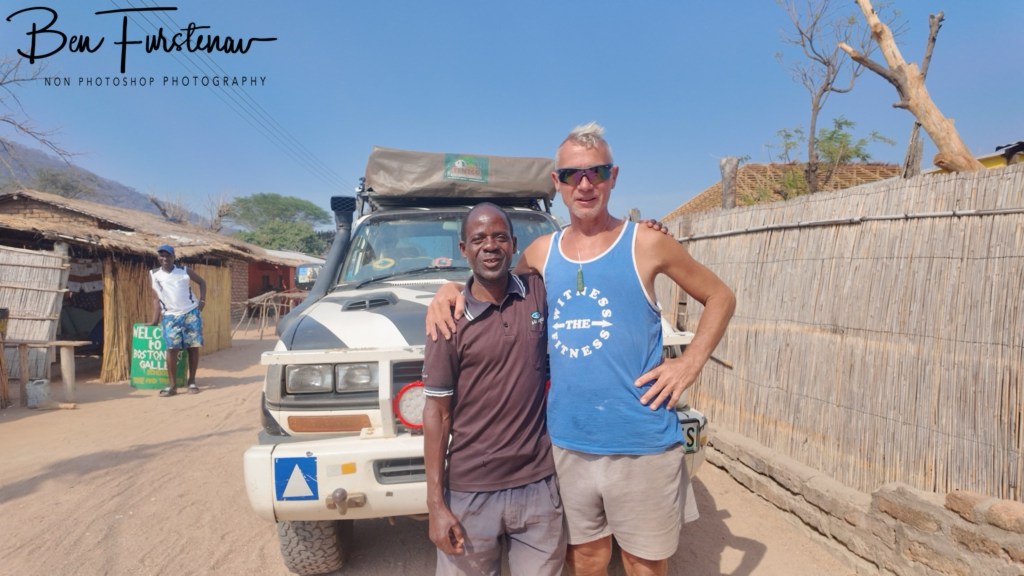
Vroom, vroom, now he’s off to his day job.
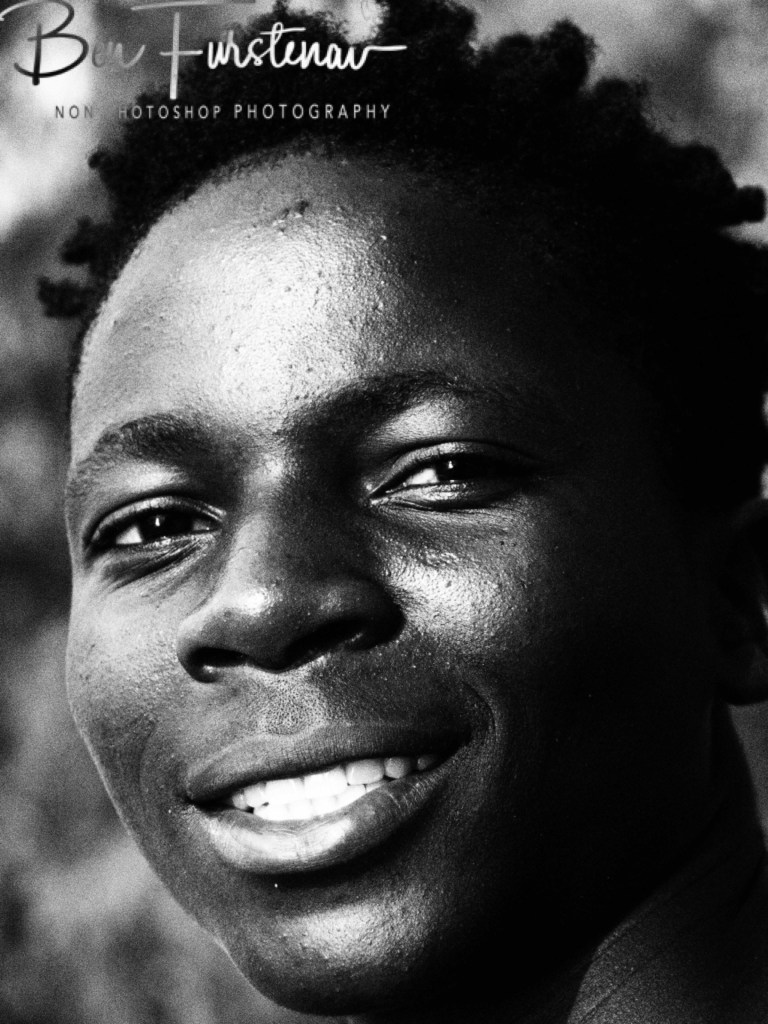
It is this time of the morning when Promise took over the day shift security post.
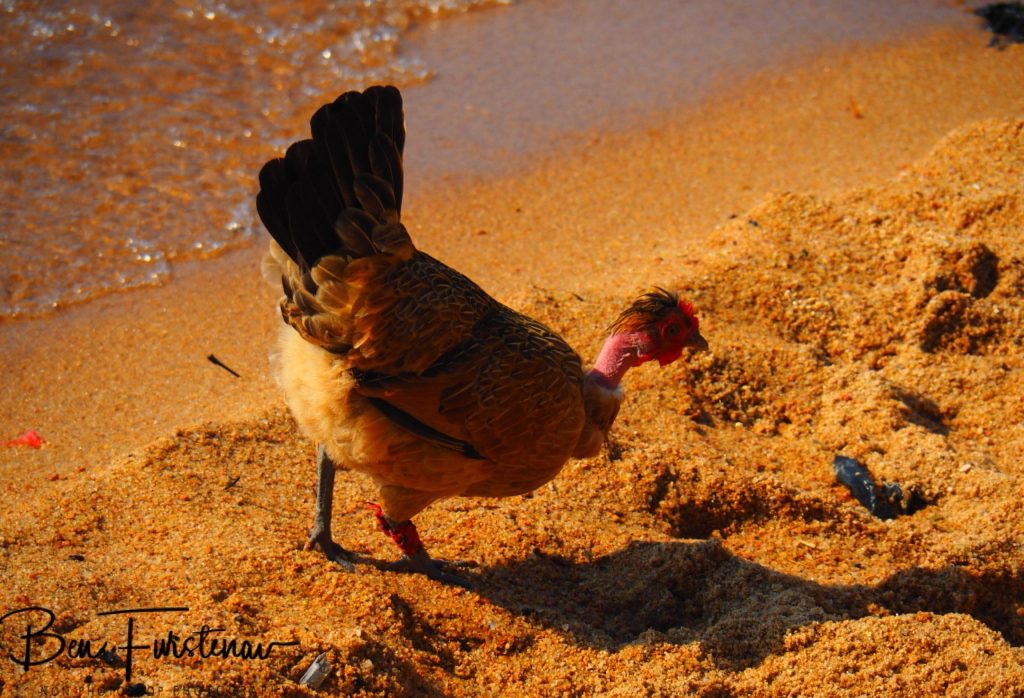
But there wasn’t ever much to be scared off.

This is how most of my mornings started here at the ‘Eco-lodgical de Chikonde’.
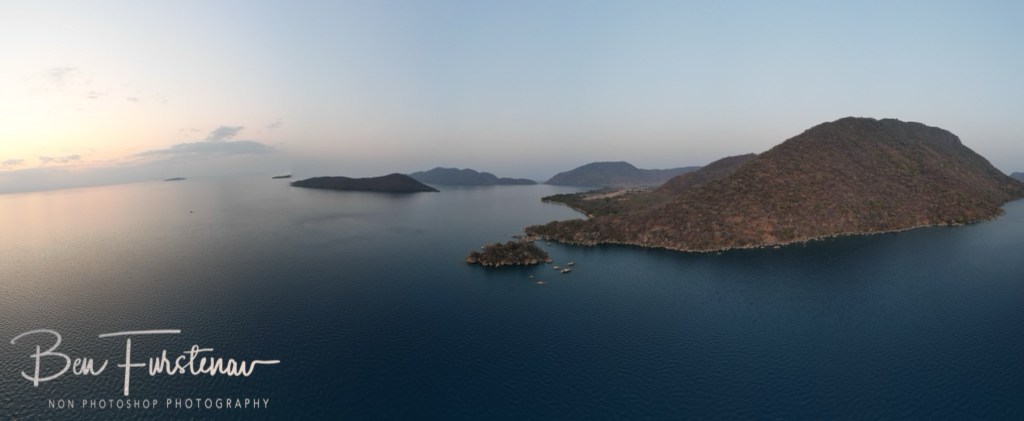
Unless of course, I took Rick for an early morning spin.
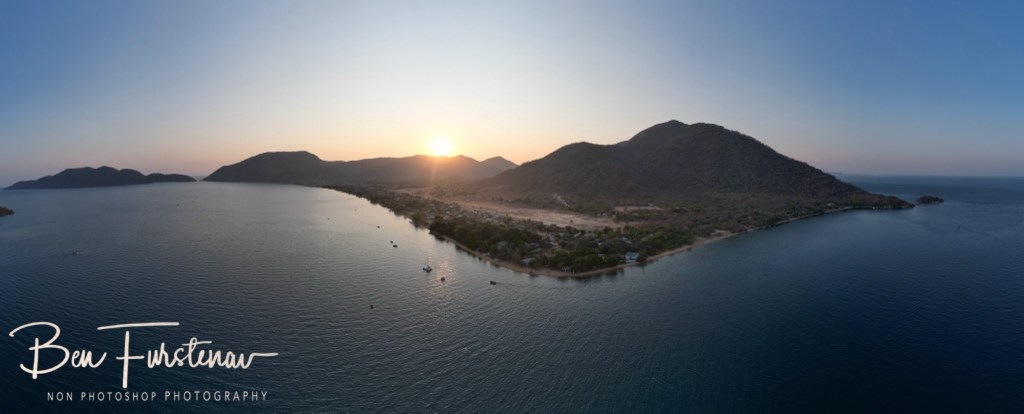
The sun appears later in the morning, due to the mountain ranges on the eastern side of the Cape MacClear Peninsula.
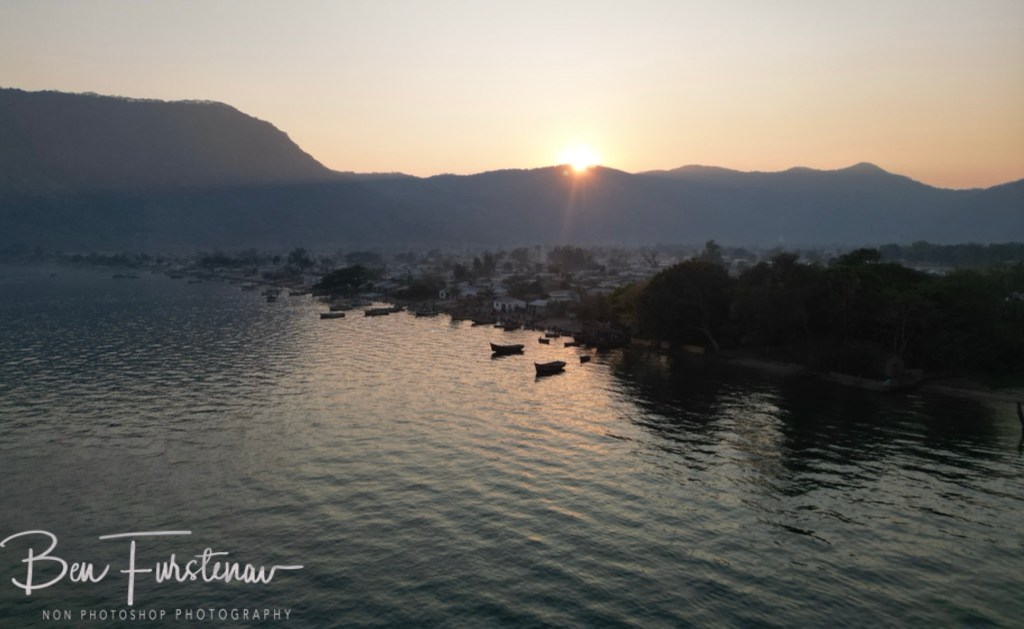
Downtown Chembe and its fish market are located on the western edge of the mountains. It’s a hustling and buzzing area early mornings. Boats return from an all-nighter out on the lake. All fish end up here, including the tiny Kapenta.

They were caught overnight, attracted by the light that blinds my sight, which concludes the ‘Lake of Stars’.
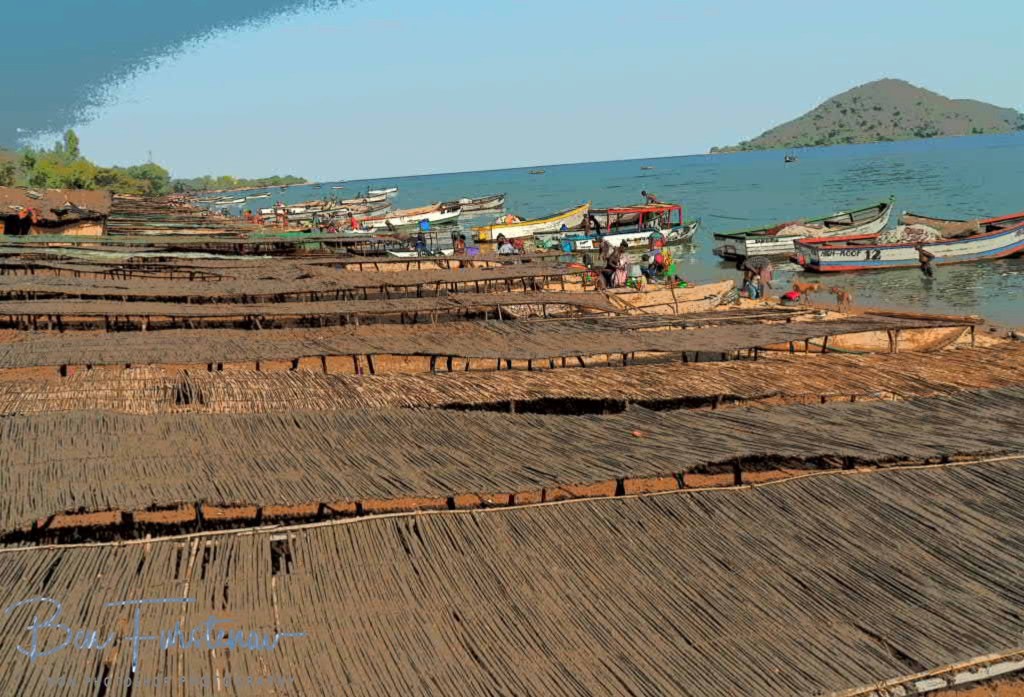
The Kapenta is being dried in the hot sun and sold or delivered like sun-dried tomatoes.
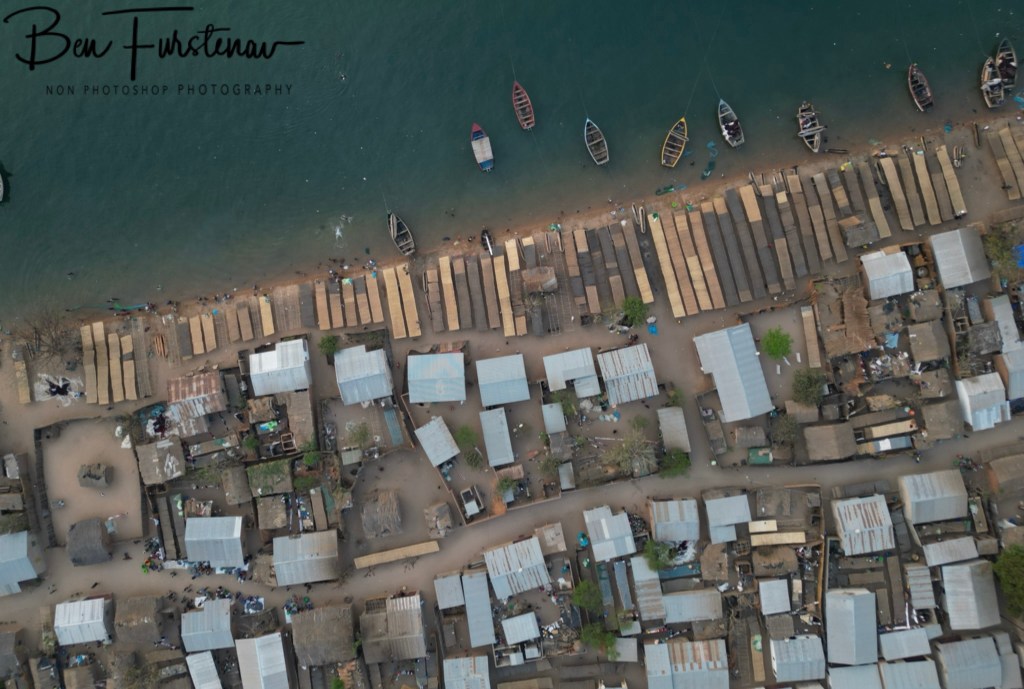
It’s a manic place even seen from 100 meters above. And I always thought that the Hamburger Fishmarket is a crazy place.

I would have liked to hide with my OM-D in some isolated corner and capture this craziness. I even walked over to the fish market area one late morning, there was absolutely no room to move. I didn’t even bother to take my camera out as I was surrounded by kids and everyone else wanting to do business with me.
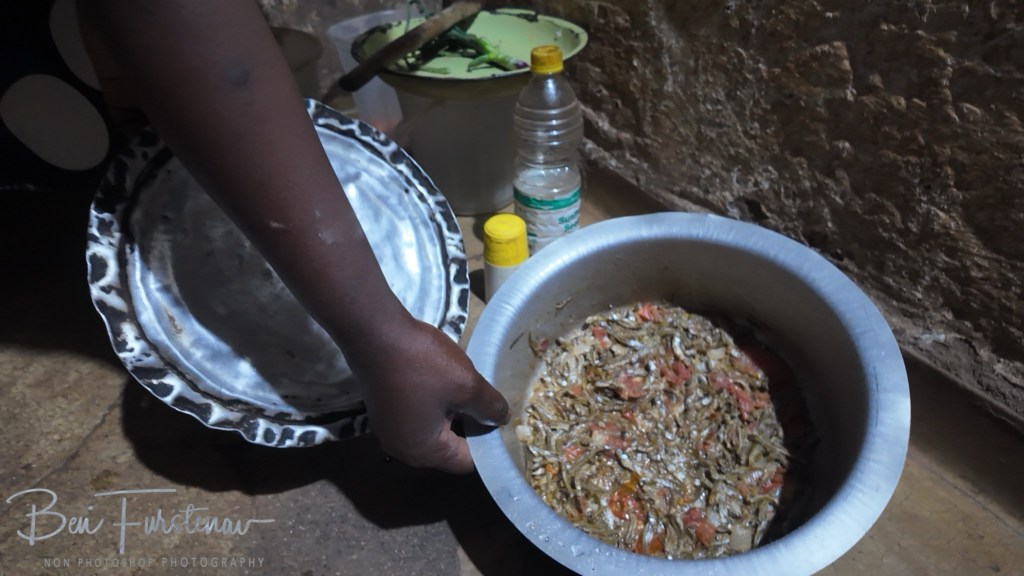
Kapenta has a very fishy taste, one to get used to. I couldn’t.
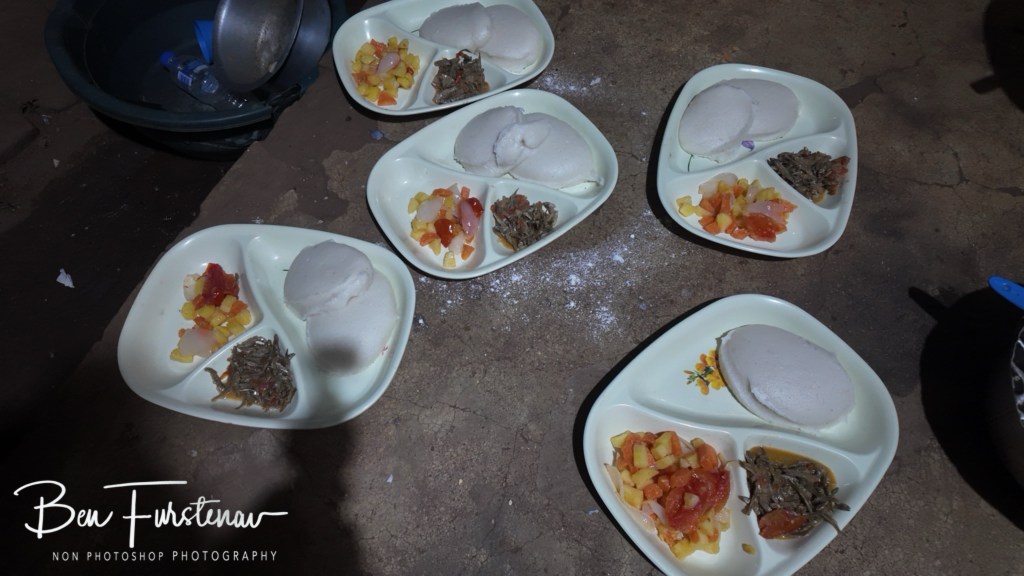
Even though it is a traditional fish dish around the lake, usually served with Ndsima and vegetables.

My good friend Zulifa showed me how to prepare and cook this dish on a coal-fired stove. It’s a lot of hard work and temperatures, which are oh so important in the kitchen, can’t be regulated like gas or electricity oven.

But it’s all what you are used to and Zulifa did a fantastic job to compose this meal.
Zikomo Quanbirri.
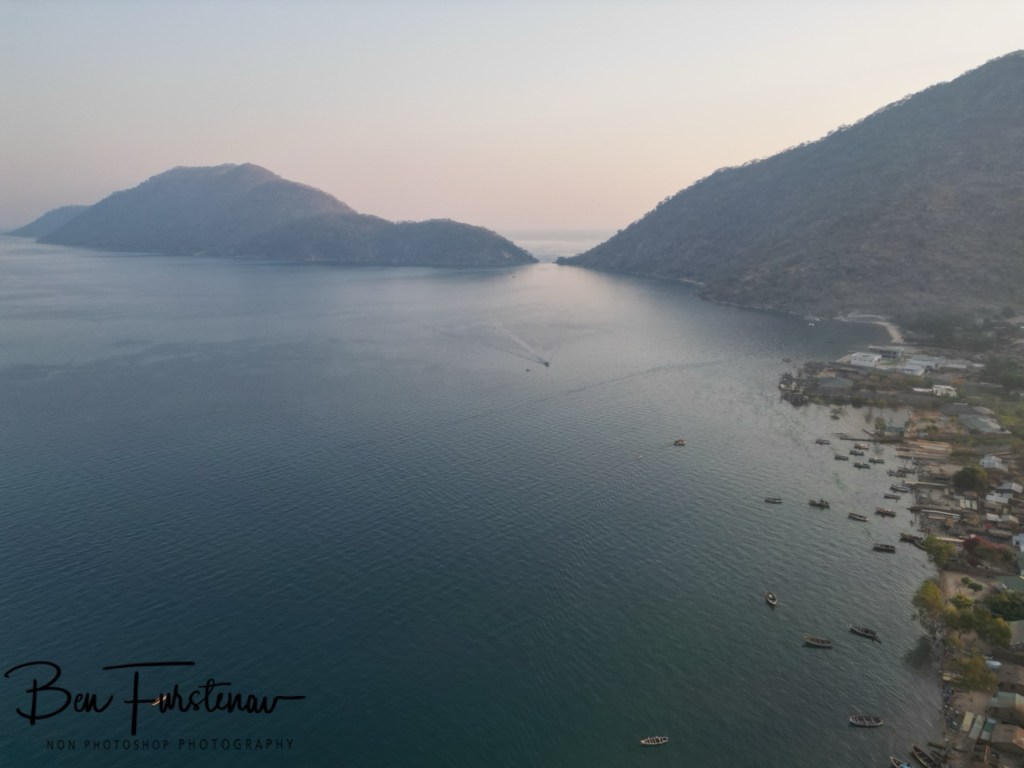
Where there’s water there’s fish. Where there’s big water, there are big fish. Not necessarily at Lake Malawi.
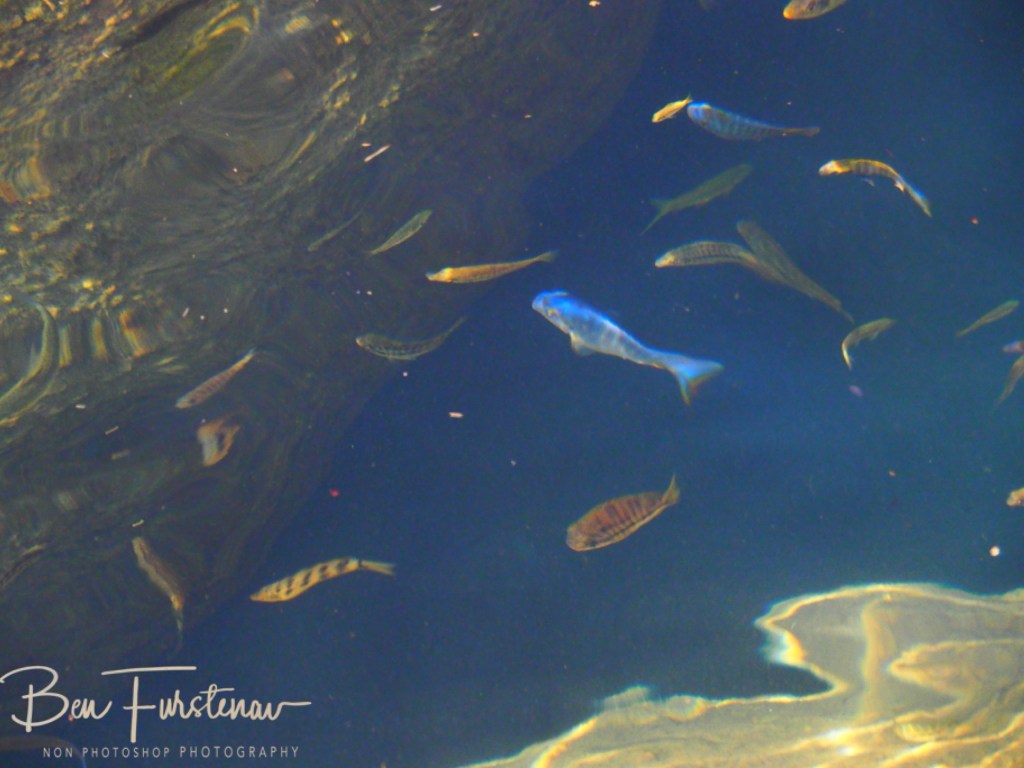
It is the lake with the largest variety of cichlids, colorful and in many sizes. Most only live in these fresh (washing) water. This clever fish shows how the evolution underwater advanced with many specialized in different foods.
Even the bilharzia snail is fished out by certain cichlids. Not if they are dragged out by nets and the snail explodes to unhealthy human proportions. The bilhazia parasite will cause nasty effects to the human body if not treated accordingly. Think twice if you want to swim in the lake.
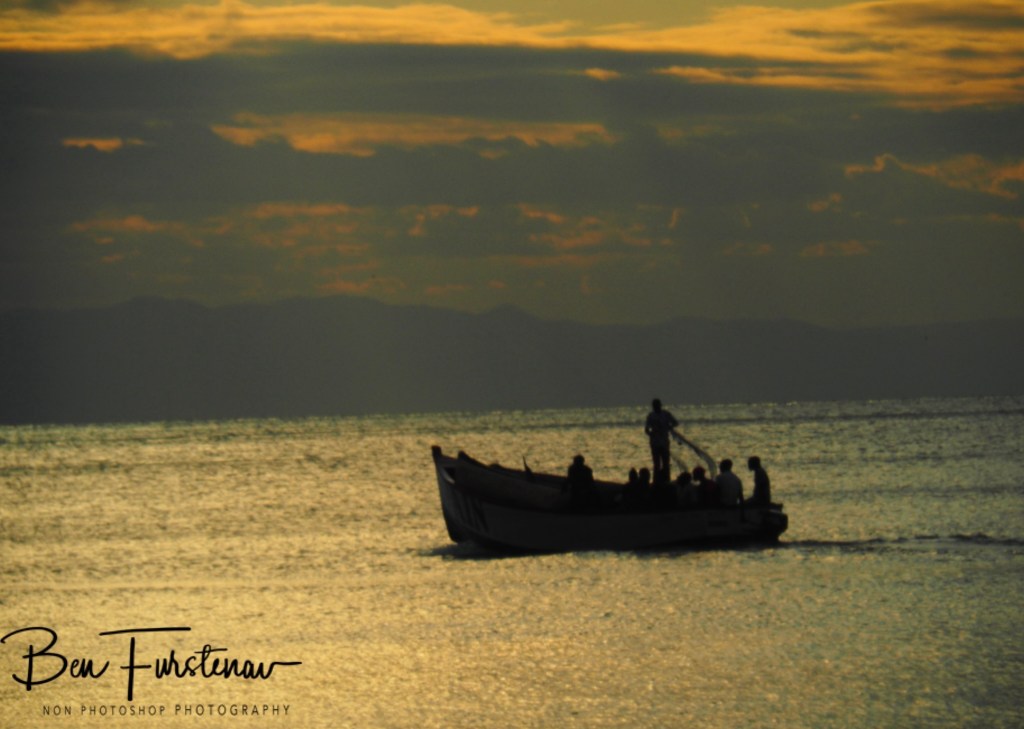
Fishing plays the biggest role in nourishment and food supply.
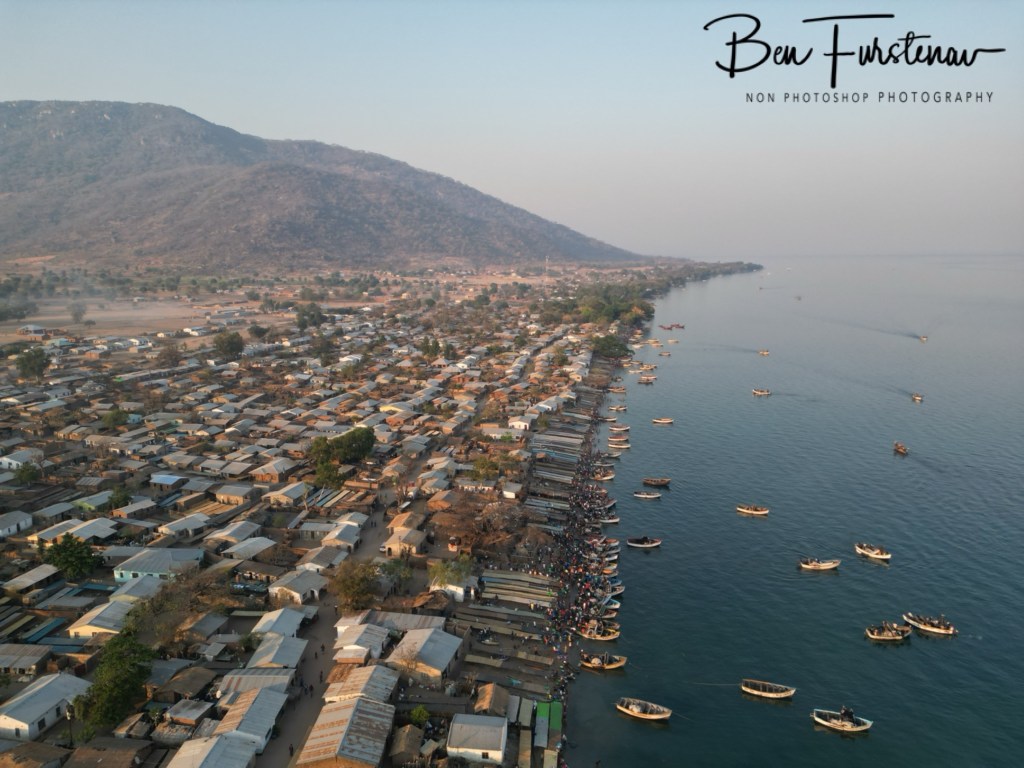
It seems there are more people living around the lake than fish living in the lake.

Youngsters weave nets through shallow waters in the hope of catching even the smallest (amount of) fish.
Little girls using tiny hooks baited with Ndsima to catch tiny fish. Some are surprisingly successful and talented.

Pirogues float up and down, near and far from the beach, dragging nets behind them.
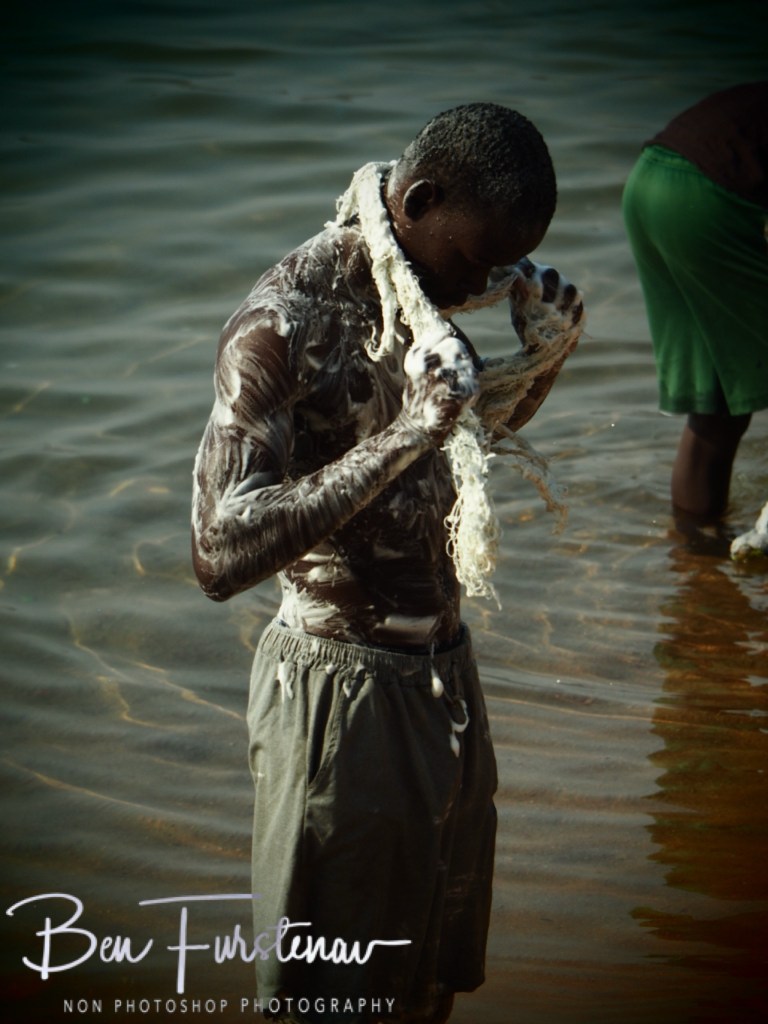
Ja, it’s sad to see the negative influence we have on this lake. Malawians need to understand that once the fish are gone, they are not coming back. But if the Malawians don’t eat, they won’t be coming back either.
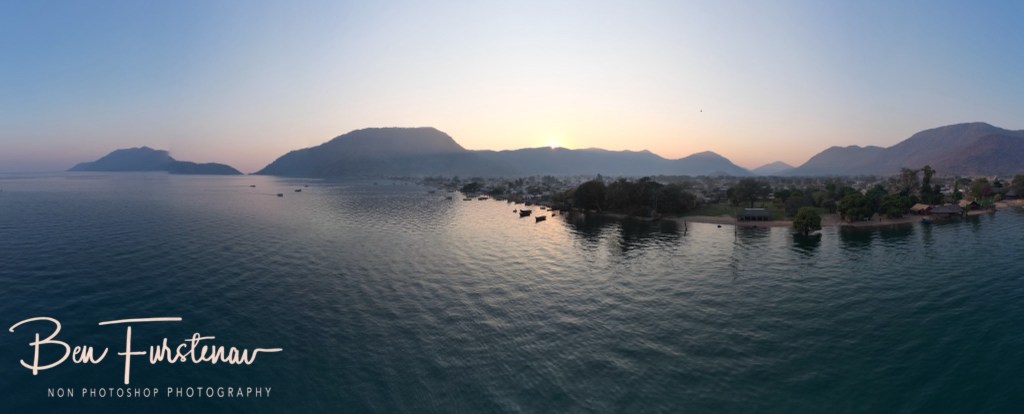
At this point, I would suggest for the Malawian Government to step in if there is hope to avoid an ecological and environmental disaster. For Mother Nature. Make it an eco-tourism area. Many people across the world arrive at Lake Malawi to dive and snorkel with cichlids.
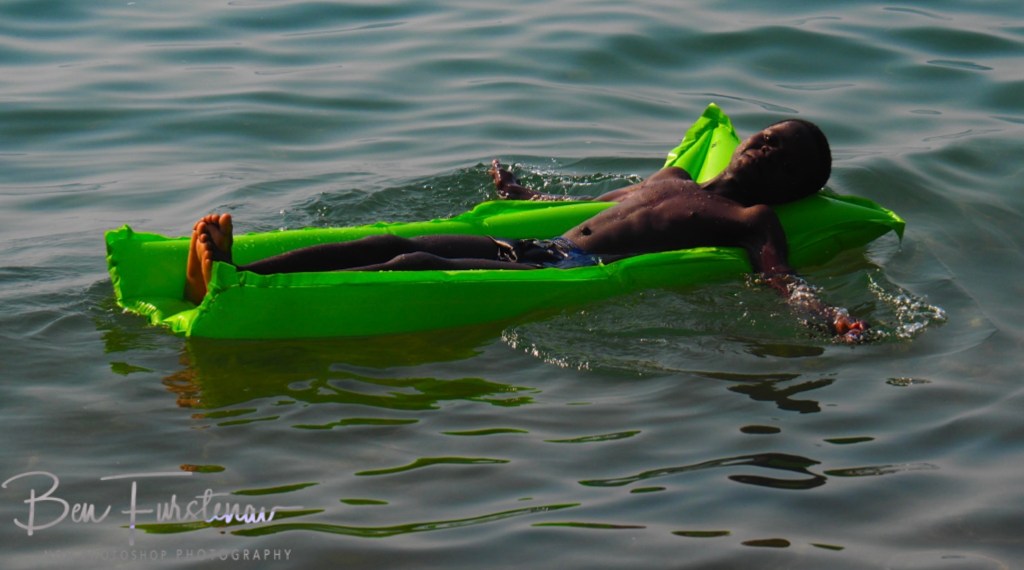
Too heavy thoughts for an early morning coffee on the veranda, watching the town passing by.

Daily chores need to be done. Daily. Of course, there is chatter and laughter about last night’s news, which makes up good entertainment whilst sipping on my coffee.
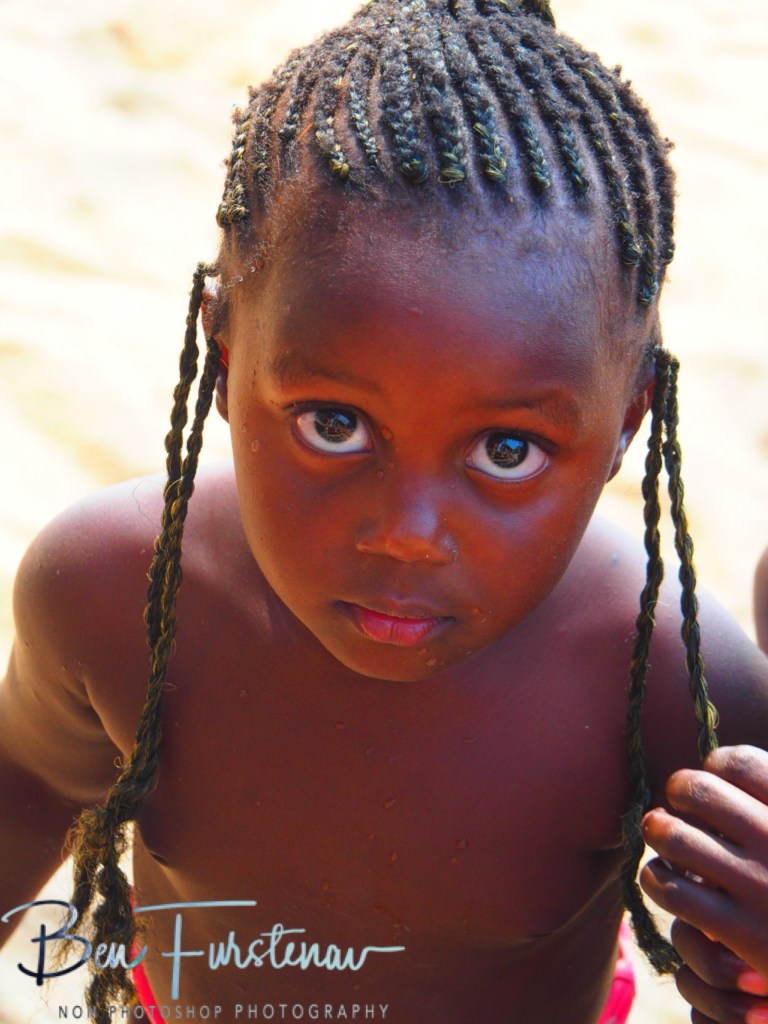
Some were a bit surprised to see me here, but quickly smiled and waved.
Nasuka Bangi. Bangi Bueno.
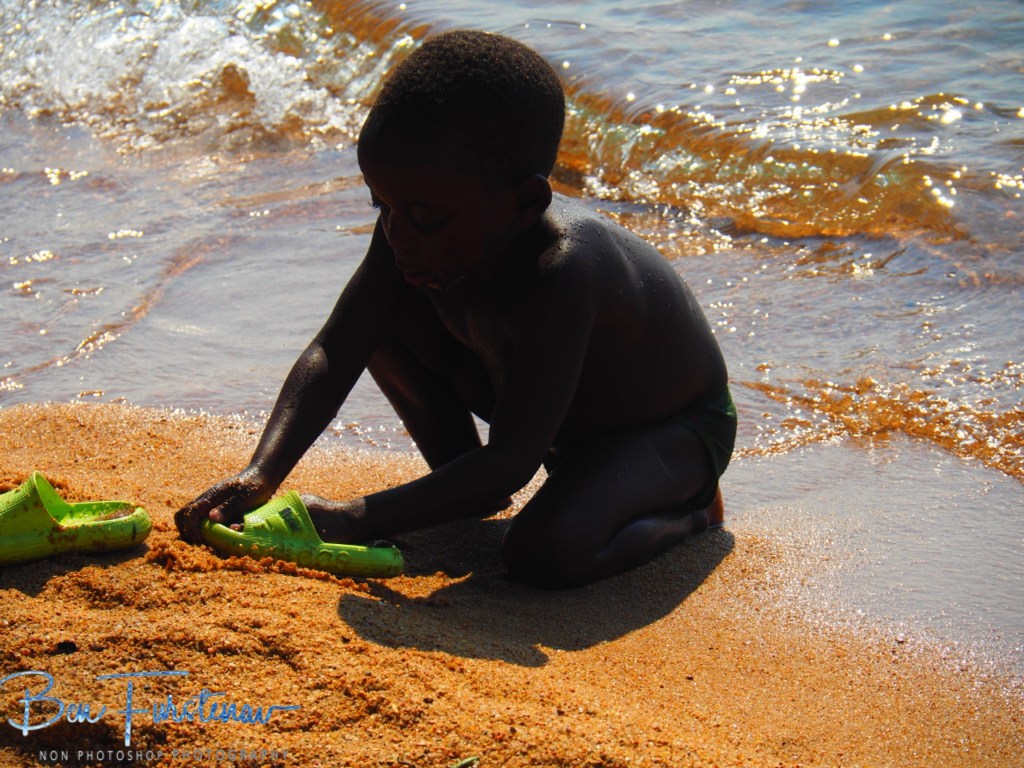
The cleaning circle starts at a very young age.

Little kids carried mountains of crockery as tall as themselves. Parents in the Western world; show your kids these photos next time they whinge about doing the dishes.

They have no idea how spoilt they are. While others dream of a better life.
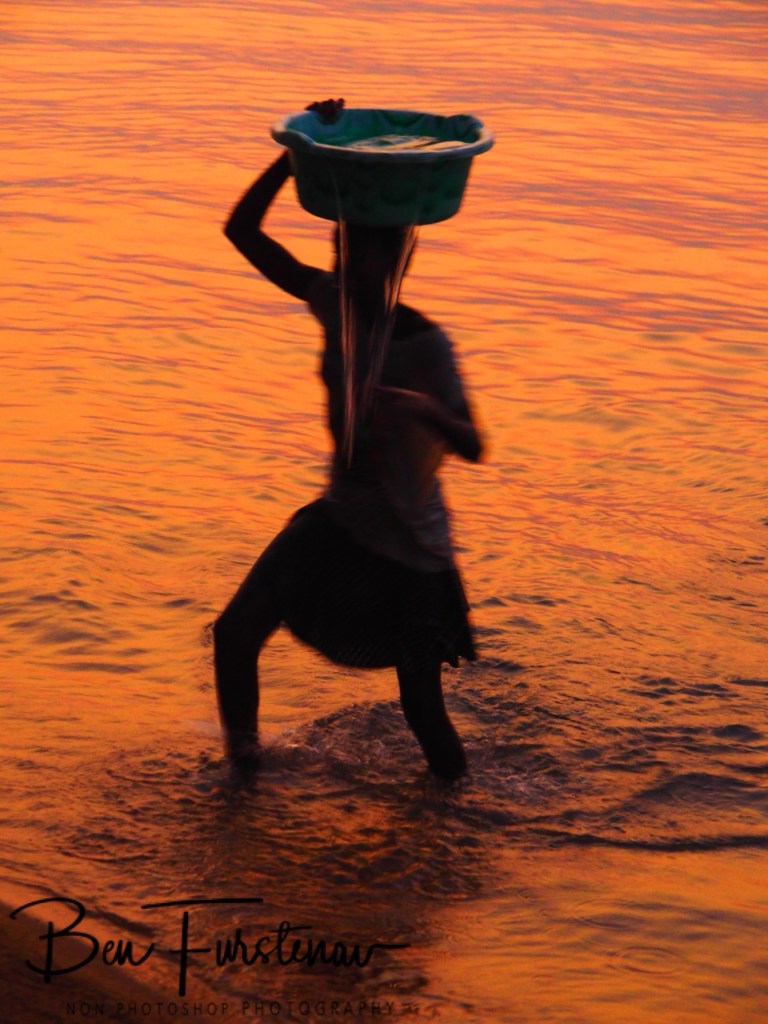
It’s easier to balance and carry any item on your head. So were buckets of water and buckets of sand. The bigger the bucket, the less often you have to return for a refill.
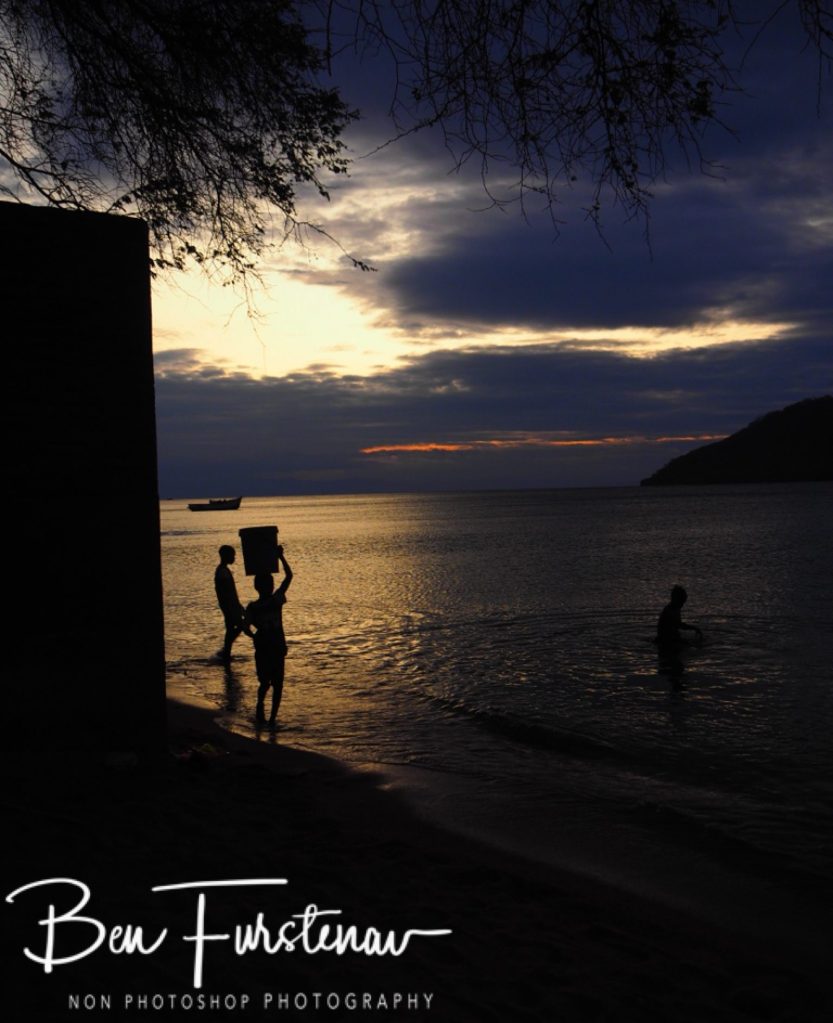
Everything was carried on the head. One develops a strong backbone from the early days. It’s do or die.
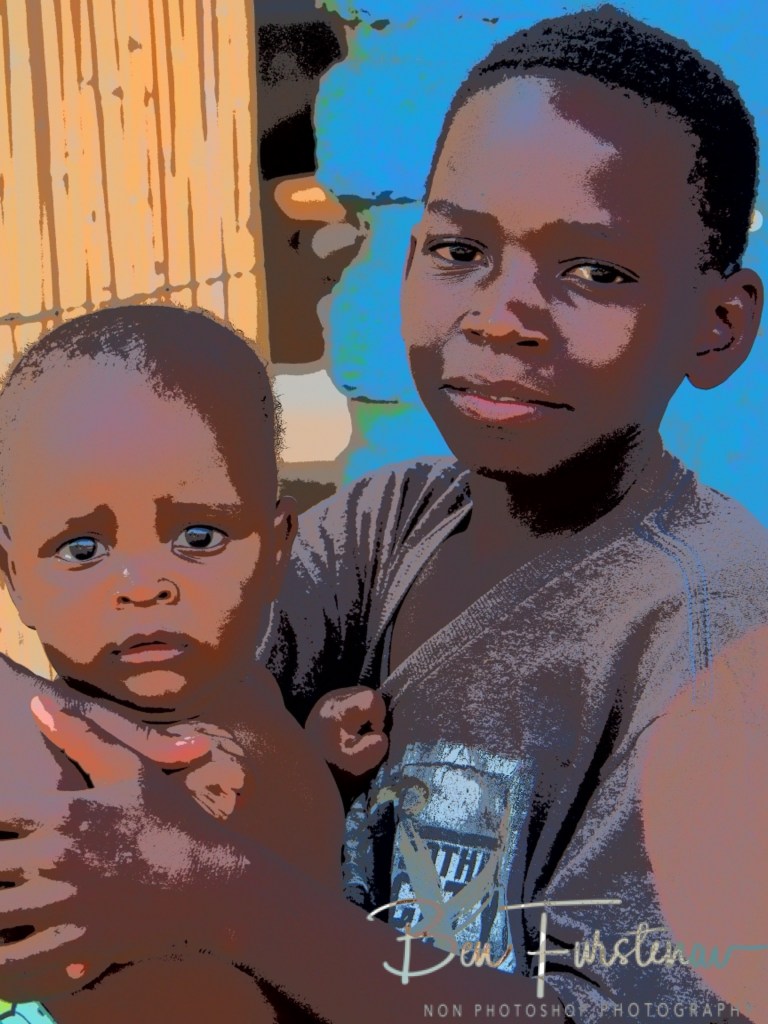
I usually went for a wonder around the village around mid-morning. By then I had finished some of my homework and young girls delivered fresh pancakes to my doorstep. Yummy. My friend Boston made the connections with the school girls’ Fresh Crepes. His school of art was usually my first port of call.

He teaches kids on how to be creative and become a paint artist. By then I had already run the gauntlet of other desperate artists and vendors. And there are more to come along the way. My art collection filled up quickly with paintings and woodworking art. Who woodn’t know. What is a Kuifie supposed to do. And what am I going to do with all those artefacts?
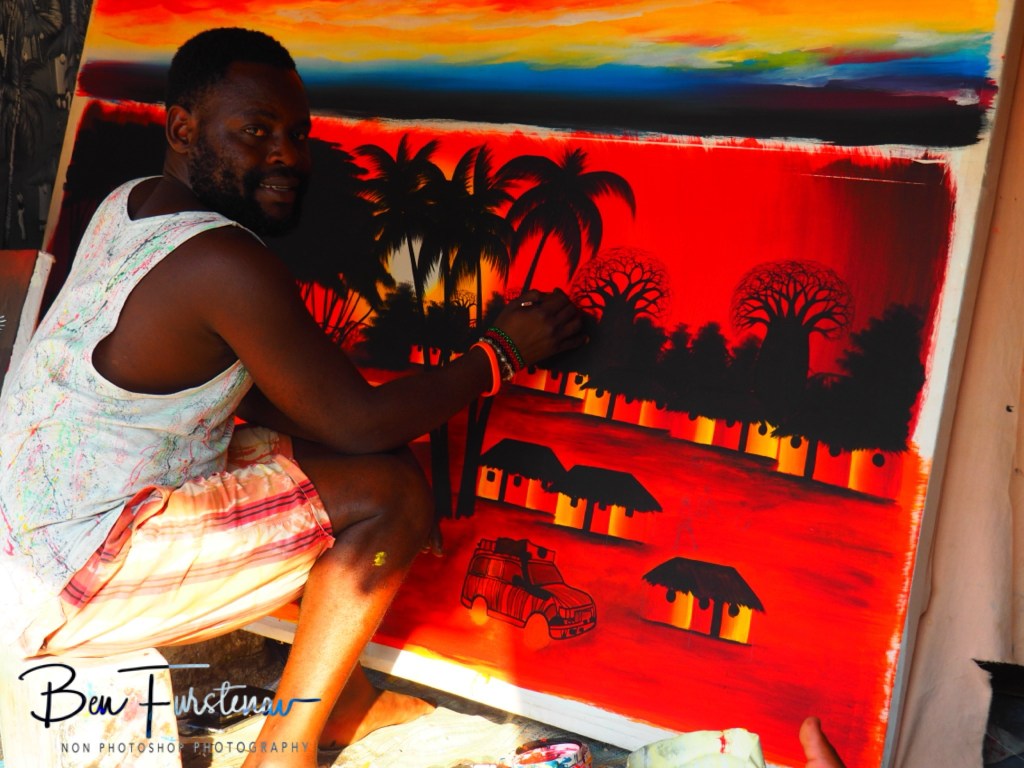
Boston was still busy painting a special delivery. Spot the zebra.
Boston and I met 6 years ago. Yes, I know. Somehow, it is the theme for Kuifie’s adventures in Africa 2024.
But it also shows how memorable those impressions were and still are. With all of my friends. Although, the zebra wagon is an easy giveaway.
 Travels with Ben