
The pouring rains arrived just in time for my arrival.

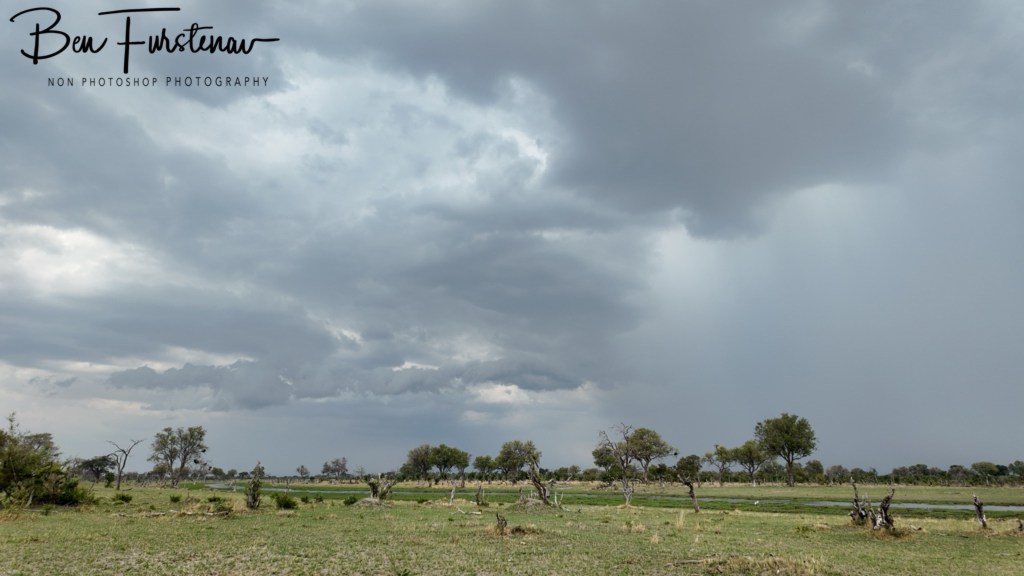
I consider that they have been following me on my travels for the past 4 weeks as wherever I went, dark clouds accumulated. Shady shadows over the horizon have been threatening over the Okavango area for some time, but I didn’t expect this natural display.
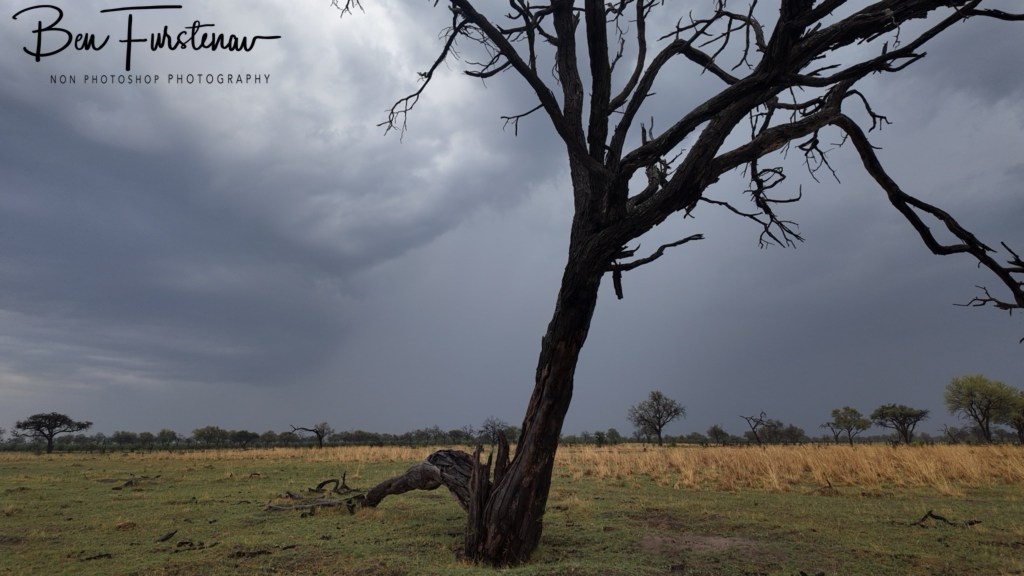
We are in the middle of the build-up season, or straight into the wet season. Whichever comes first.
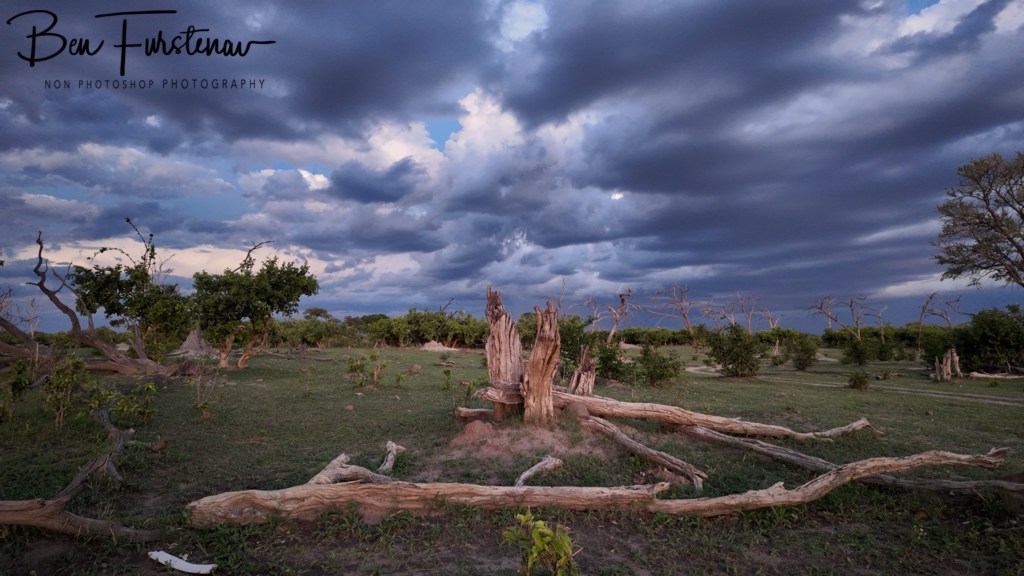
Sunny skies closed to a dramatic tone of 30 shades of grey over the horizon. The energy was electric. More and more storm cells passed over the land, building up to a gigantic battery of blitz and thunder.
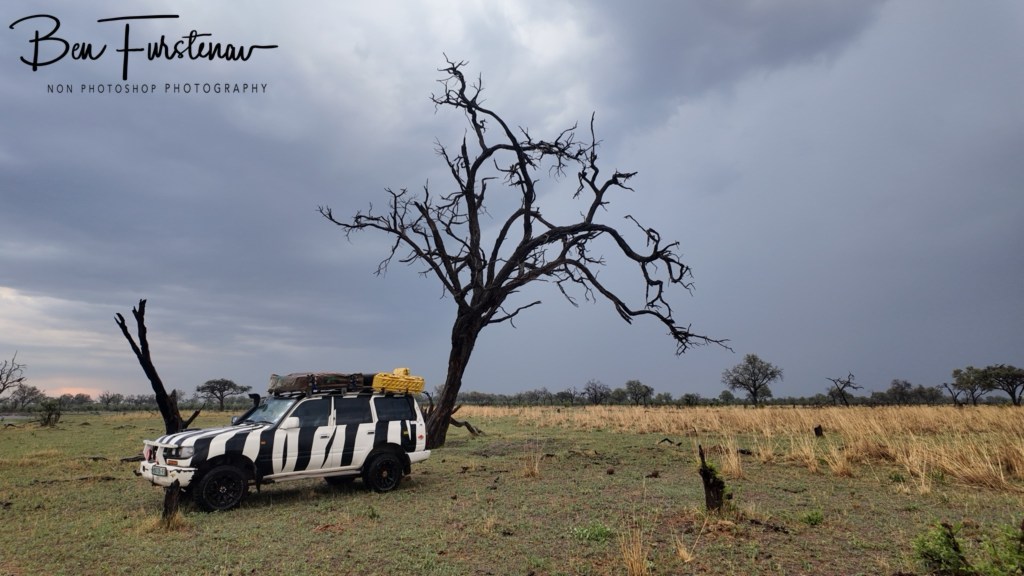
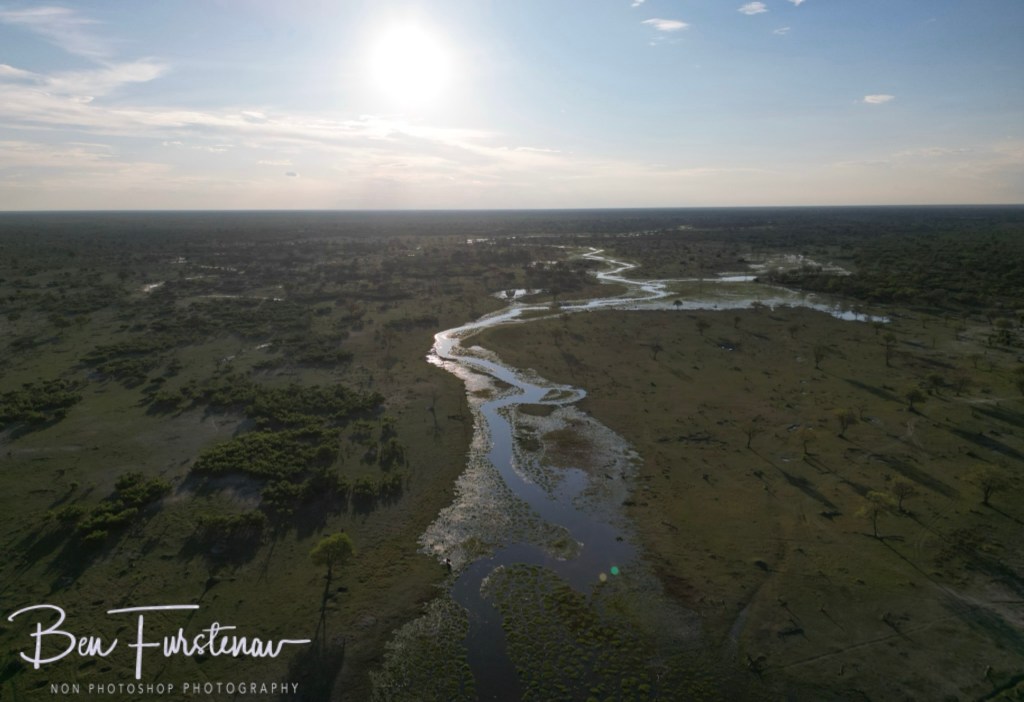
There wasn’t much I could do and stay put. Right here along the edges of the river alongside a pool of hippos.
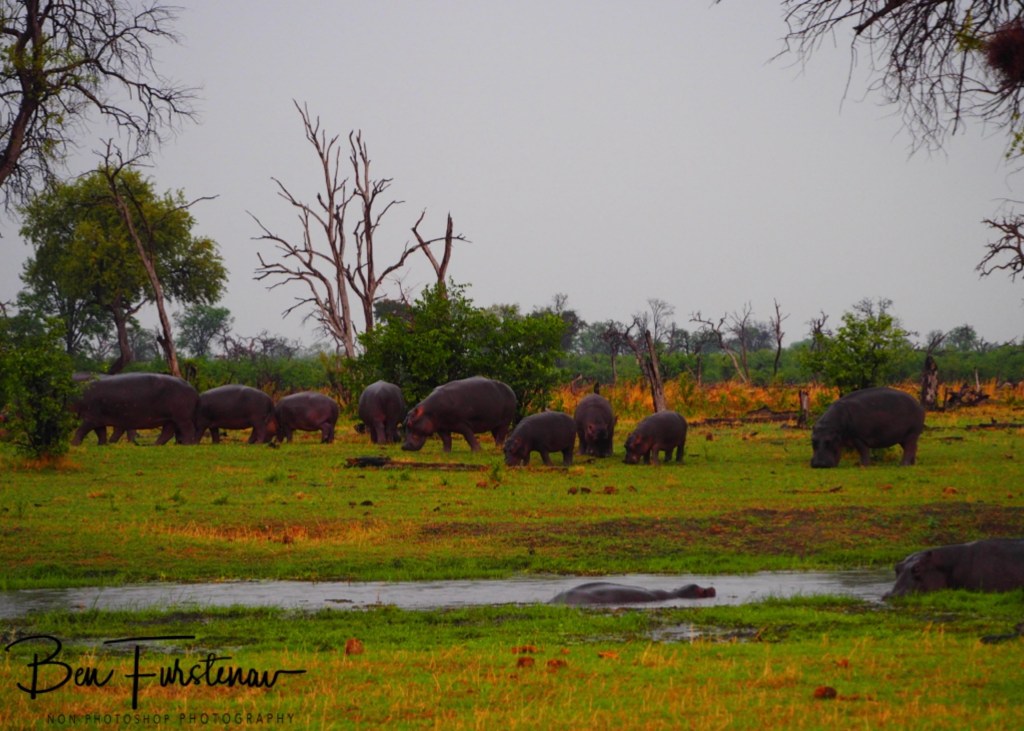
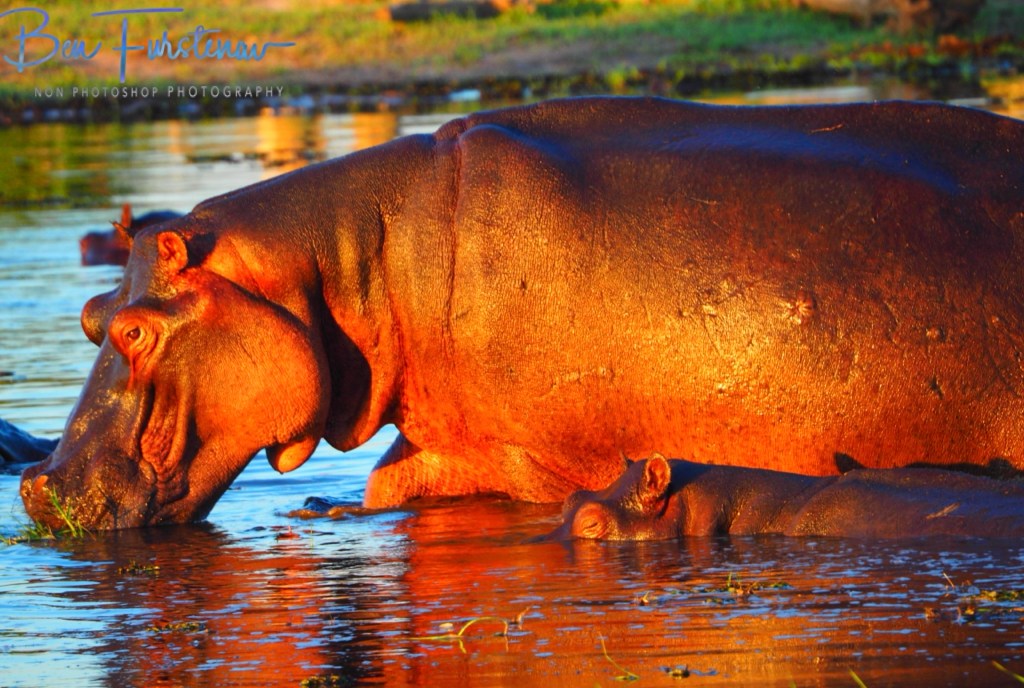
These waters are a hippo haven.

It appeared that the floodgates opened to flush the hippocampus onto grasslands.
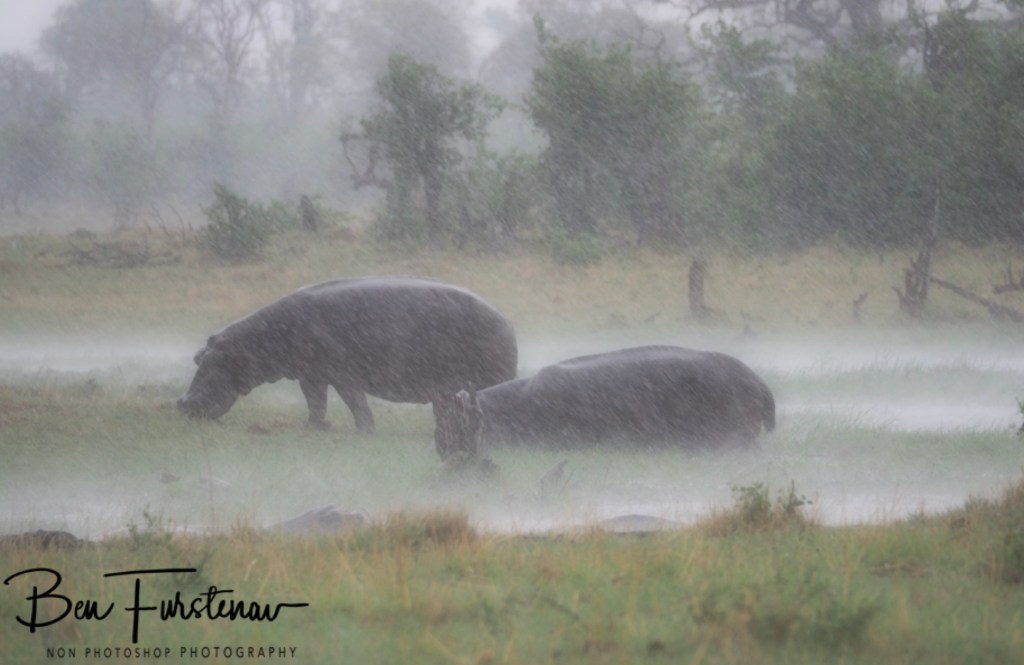
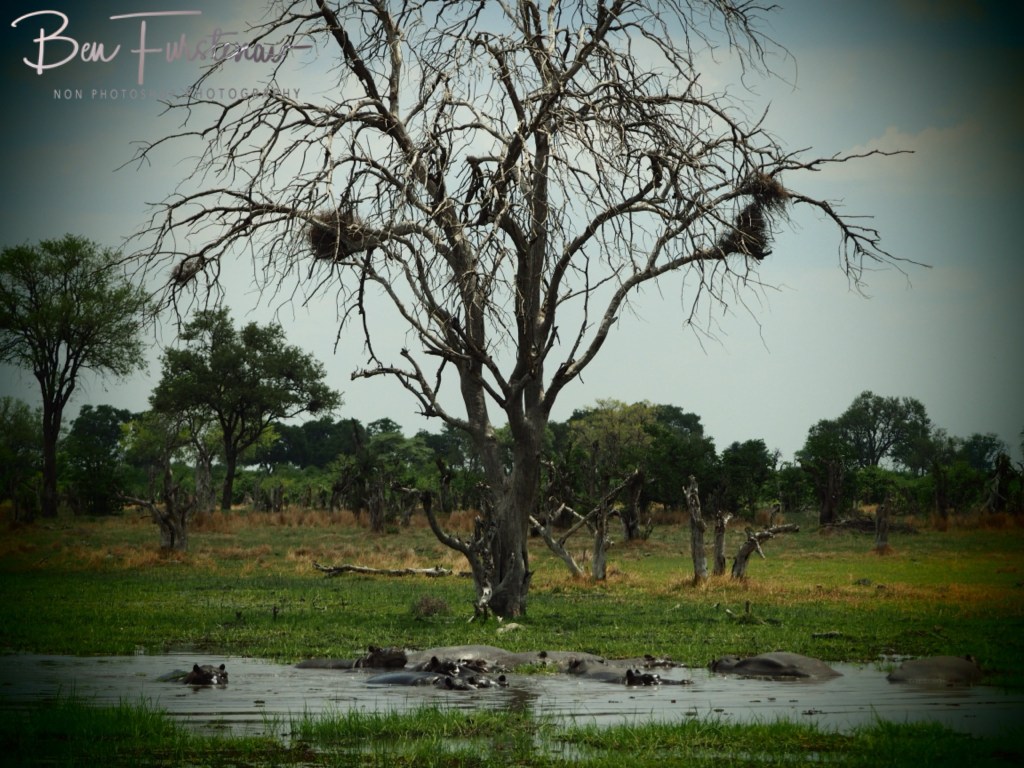
A school of hippos freely grazed alongside us. No risk of sunburn in these wet conditions.

This is the largest conception of happy hippos I have seen in a long time.

Hippo school was under the shady arms of a stranded tree.
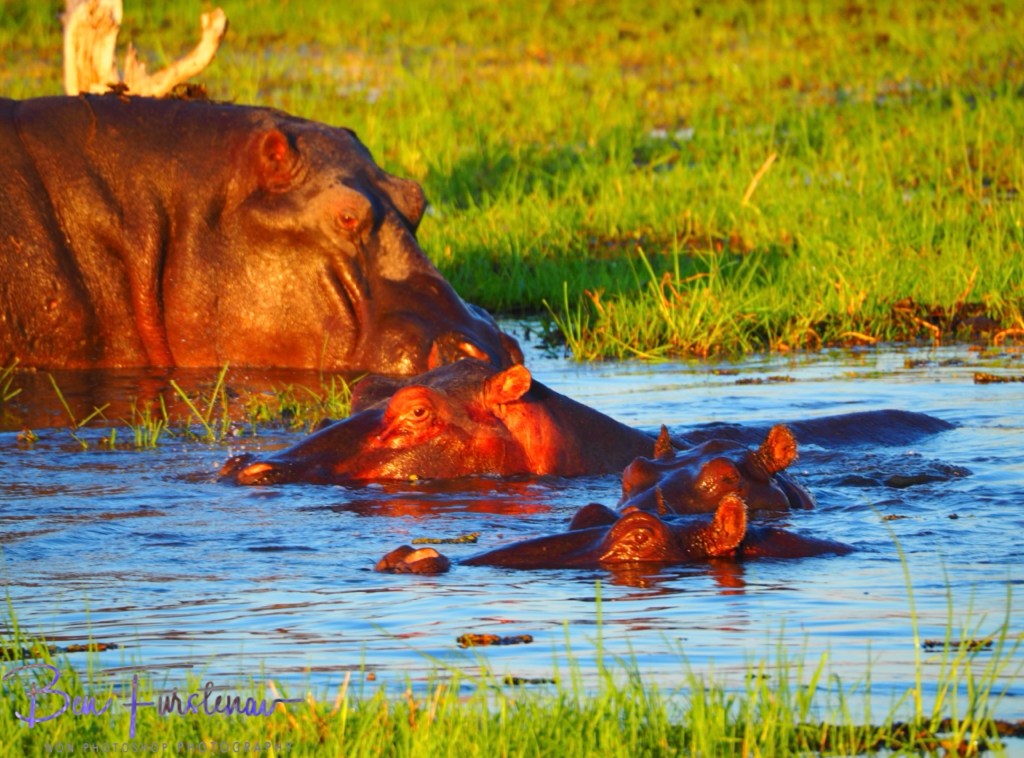
The Khwai River is an ideal area to photograph hippopotamus on land.
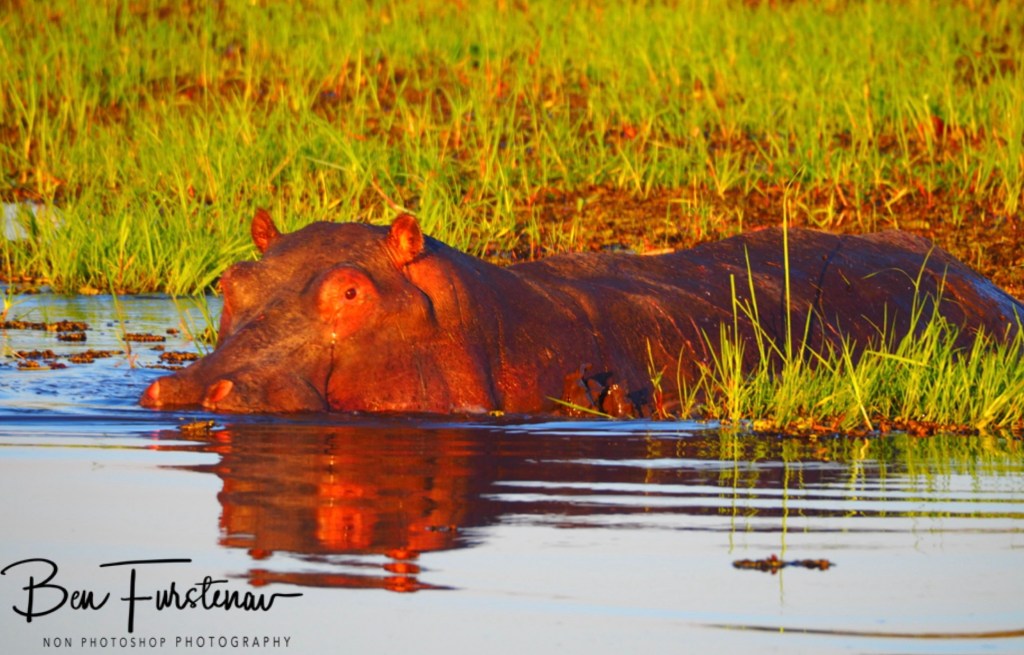
Or at least with a large proportion of their body shown. The reflecting waters double the illusion as their unmistakably grunting sounds add to the surrounding noise pollution.
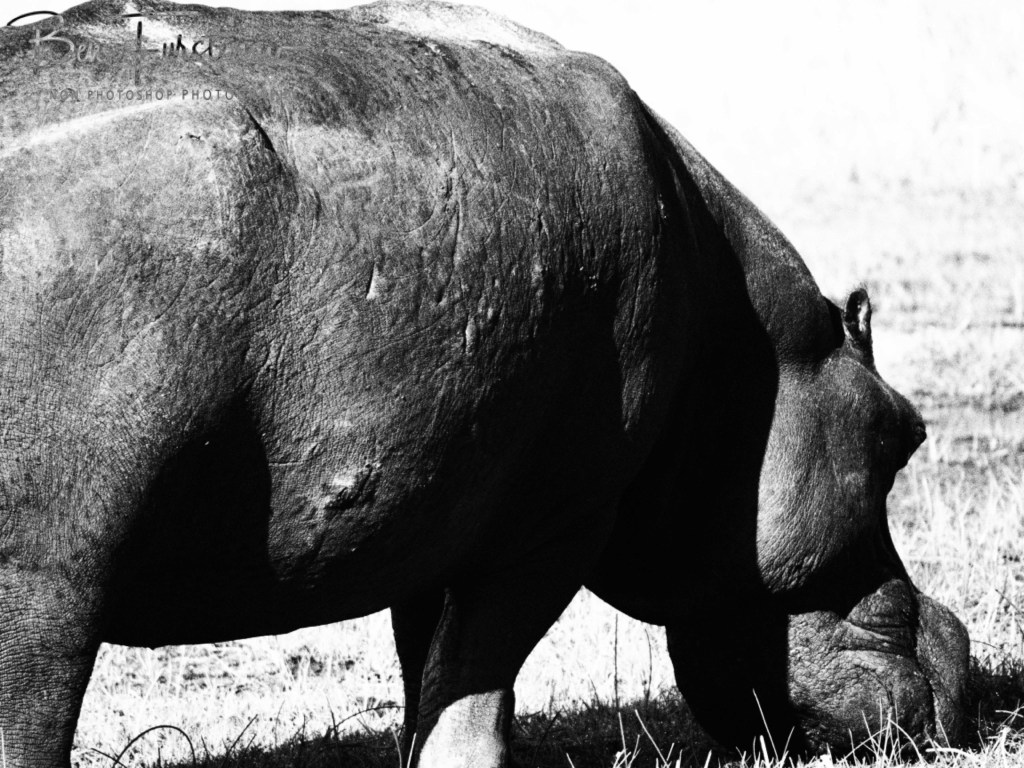
Lone and large bulls don’t have much to fear and already worked out that tourists only shoot with lenses.
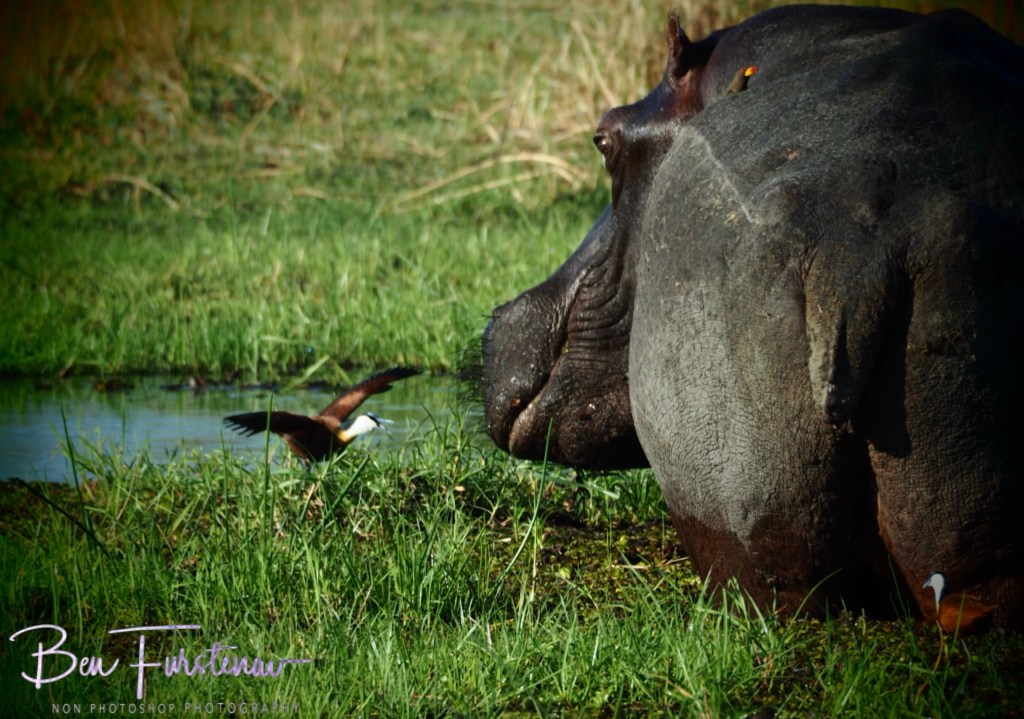
Unlike a pair of lapwings breeding in the high grass.
However, there was a mystery about these short-tempered giants.
Within a region of a few kilometers, 3 hippo carcasses lay in various locations.

Two of them right in the middle of the stream. How or why did they die.

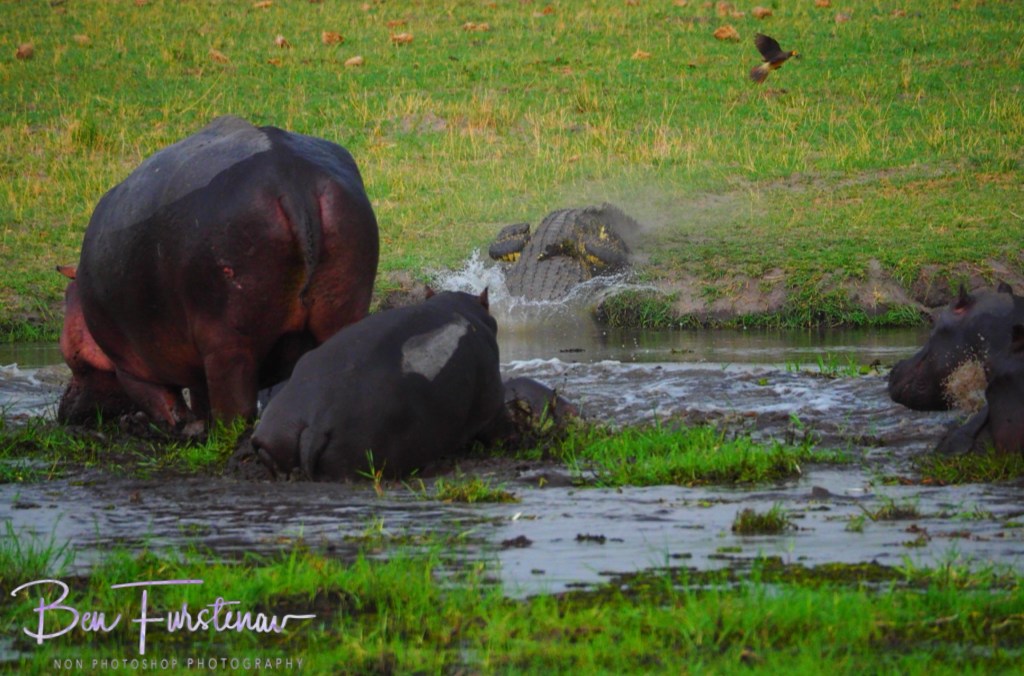
Carnivores hadn’t attacked them in submerged areas. Crocodiles had no chance to target bodies this size. Though the Crocs are beneficial.
Age could be one reason for death.

Another explanation could be the battles among one another for territorial and mating purposes. Hippos have lethal weapons in their mouth and a temper to match.
However talking to locals and rangers beforehand, it is more likely that they were poisoned. By Mother Nature.

Cyanide is an organic poison within our natural flora. Cassava roots in particular carry a higher dose of the toxin than other plants. Chemistry was never my favored subject in school but from what I understand is the following.
Within dry ground conditions, cyanide changes atoms and clings onto other particles. It becomes more concentrated and lethal in dehydrated ailments. The poison is accumulated within a grazer’s body.
Older and larger hippos and elephants that consume a lot of grassroots over the years will eventually be poisoned.

Fascinating in a sad way how Mother Nature decides who will survive. Cyanide Suicide.
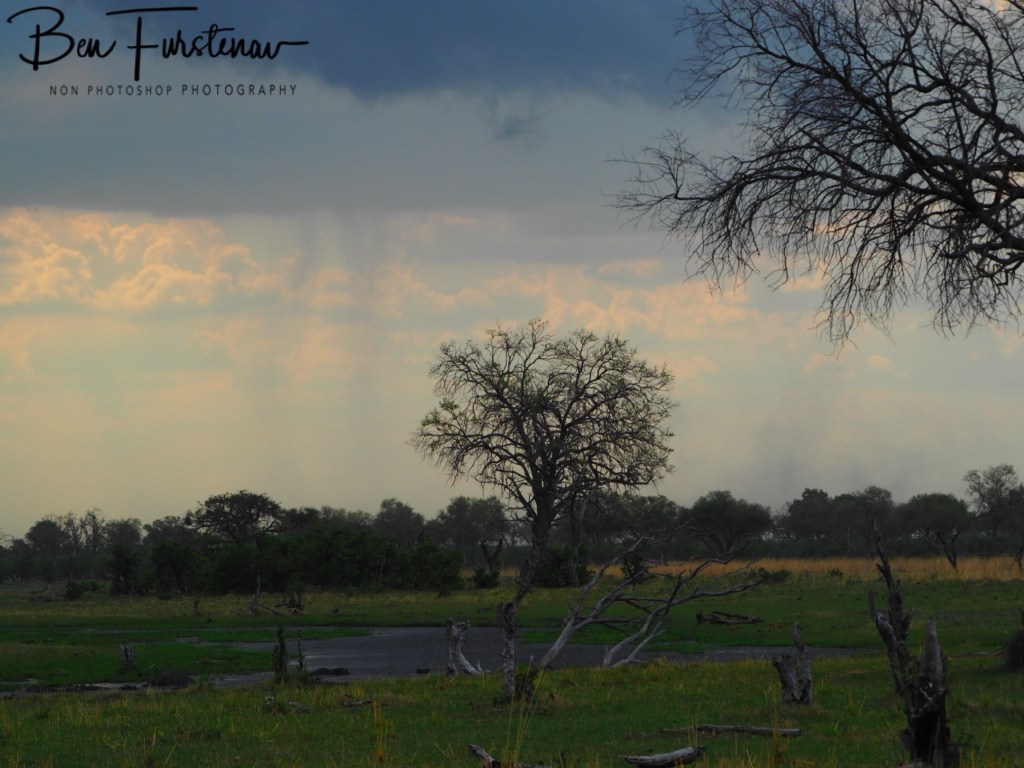
The rainy climate hopefully will balance nature’s bio-logical again.
 Travels with Ben