It’s quite a sight to see thick fog vaporising into thin air as the warming rays of the sun steam the valley of clouds.
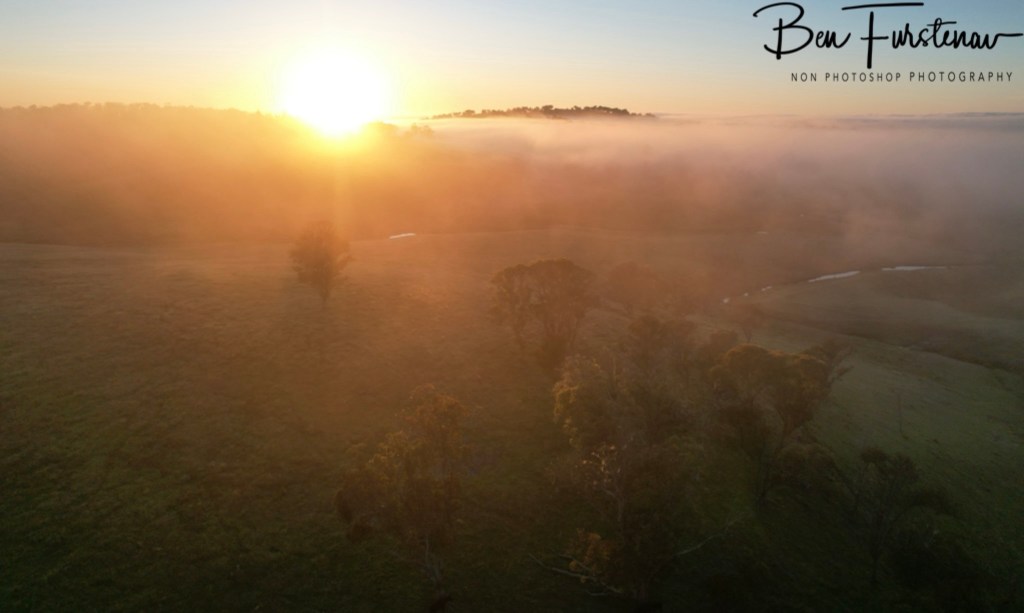
From up above it appears as a gigantic steaming bowl of soup.
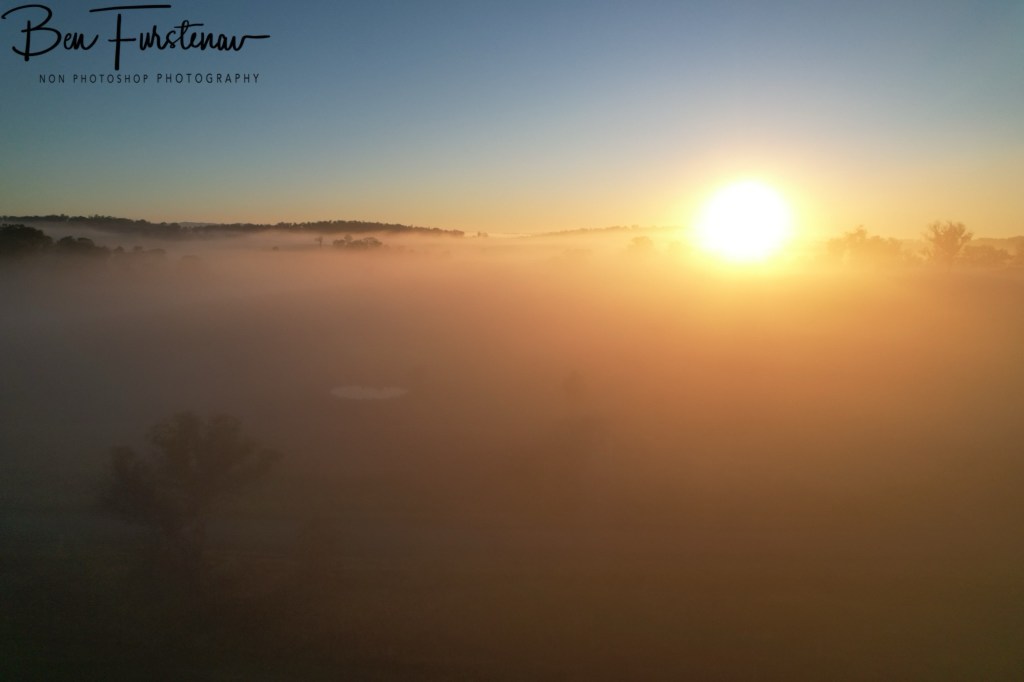
Covered in clouds a minute ago, clear and calm the next. Cloudy islands appear and disappear in vastness.
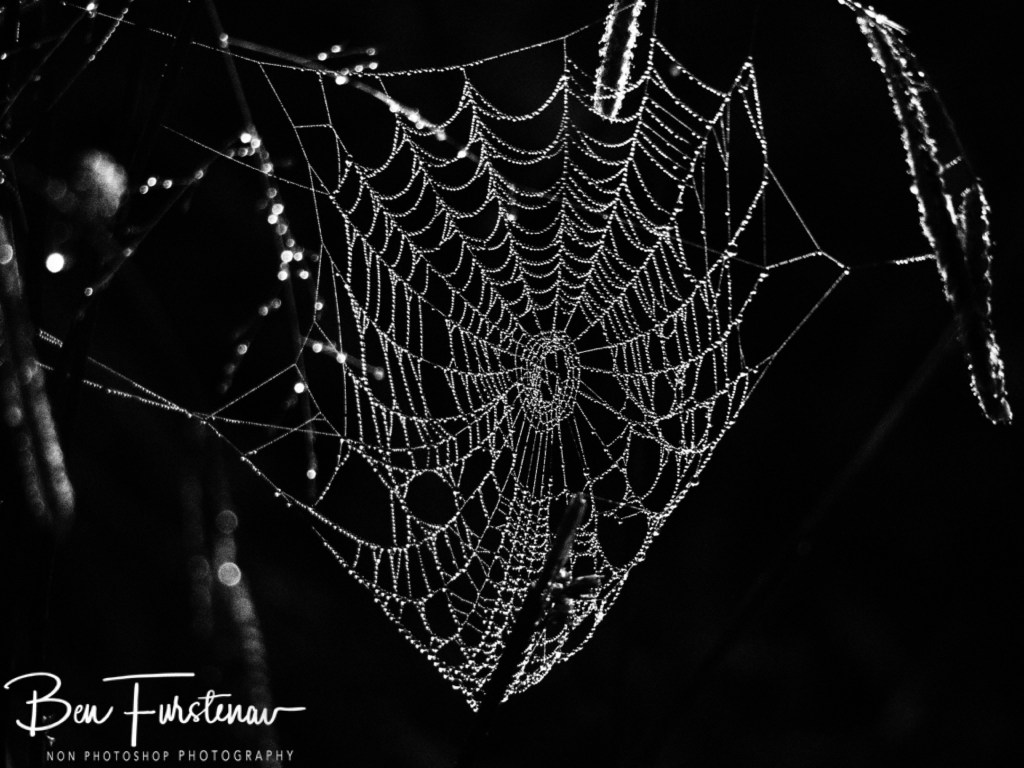
Fine water particles get caught in a natural intricate art display.
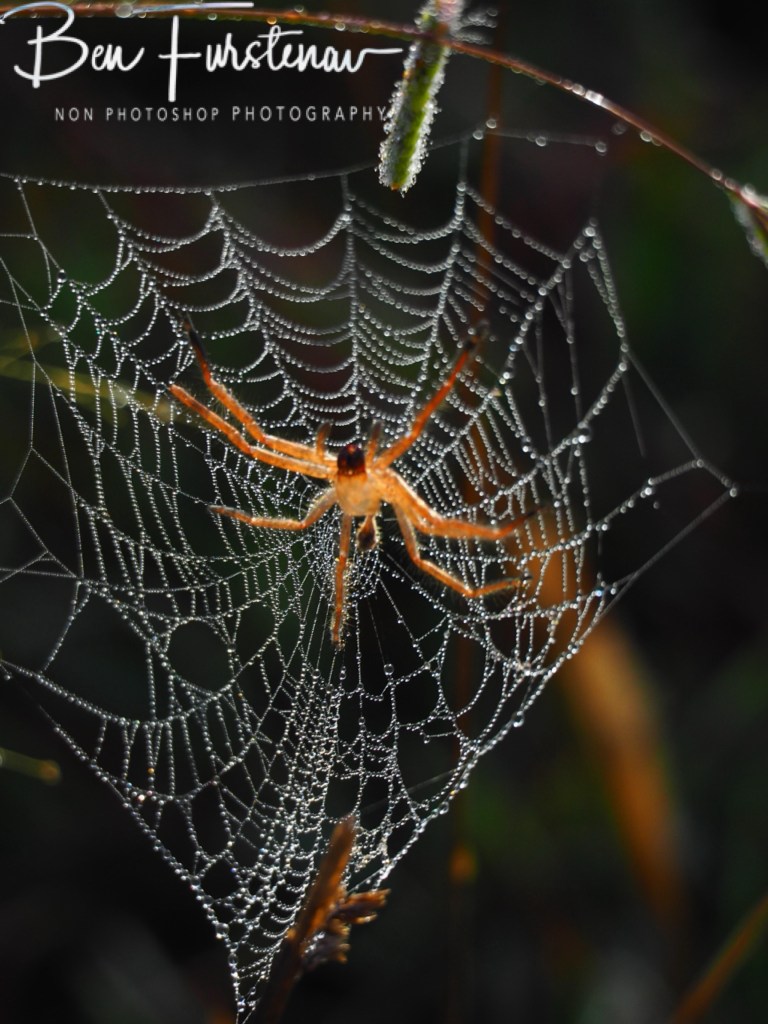
There is no hiding now.
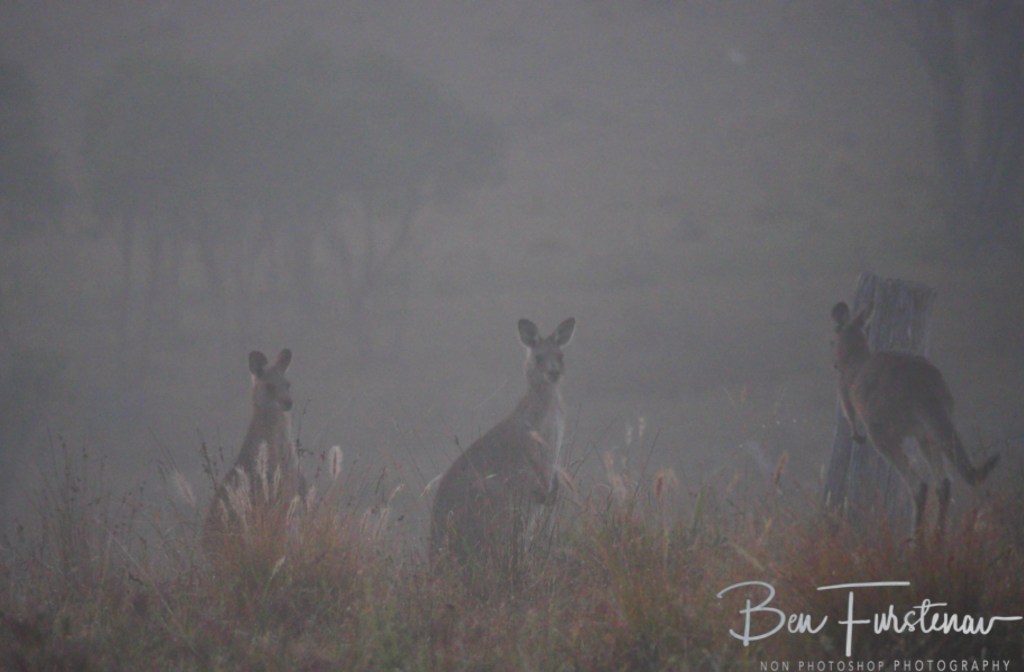
Wallabies sip dew from tall grasses.
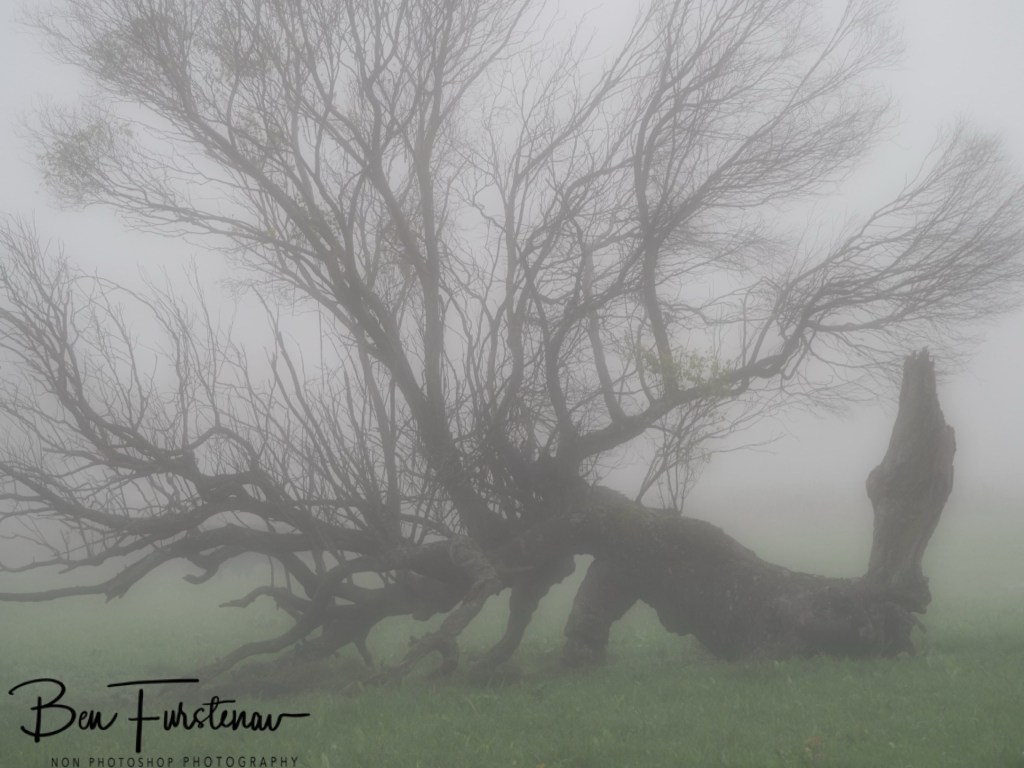
This is the only accessible water source for many animals and plants.
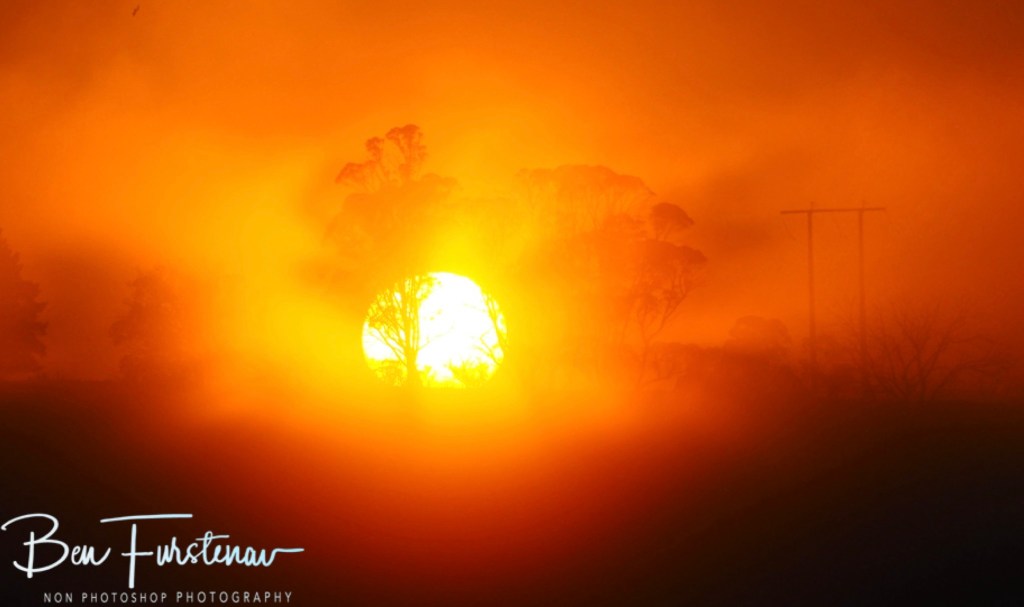
There is no match like the power of the sun.
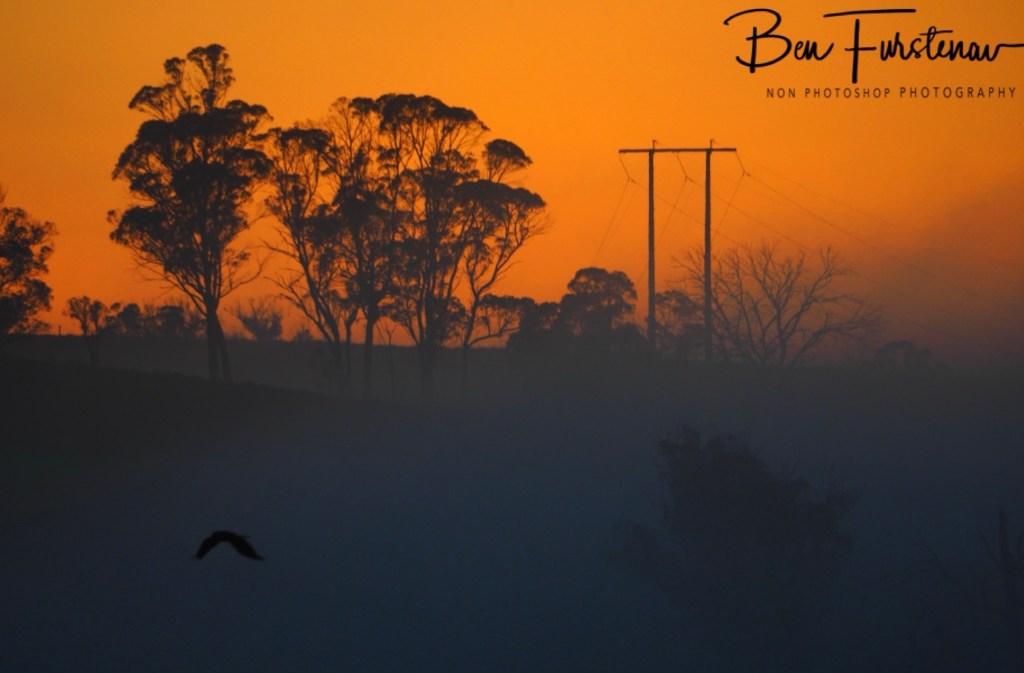
Sooner or later, the misty clouds will disappear with the ghosts they came as.
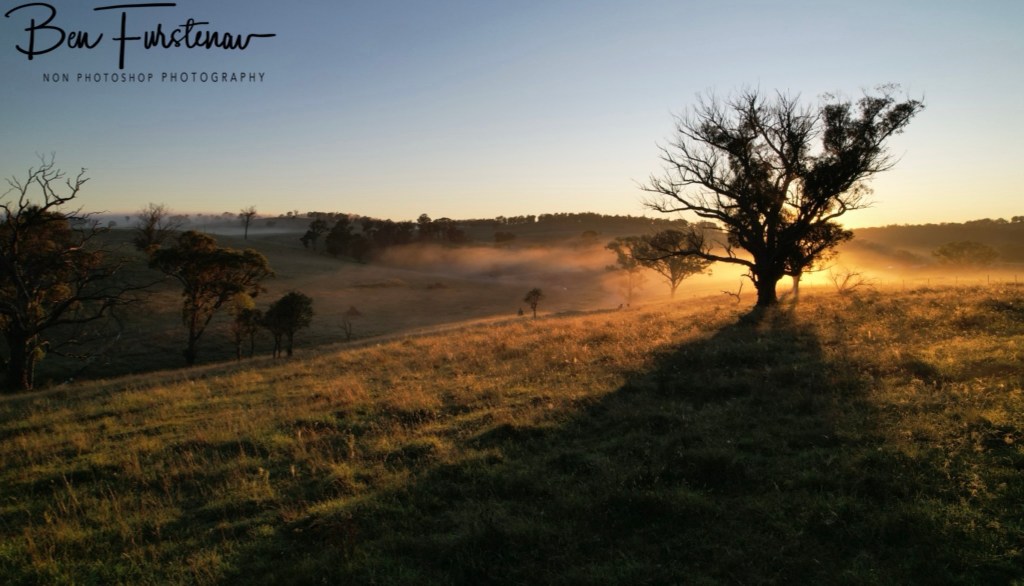
Calm and peaceful, the sun climbs higher into the clear blue sky. It’s yet another stunning morning in the valley of sunrise.
But, something is missing. Some natural component that adds character.
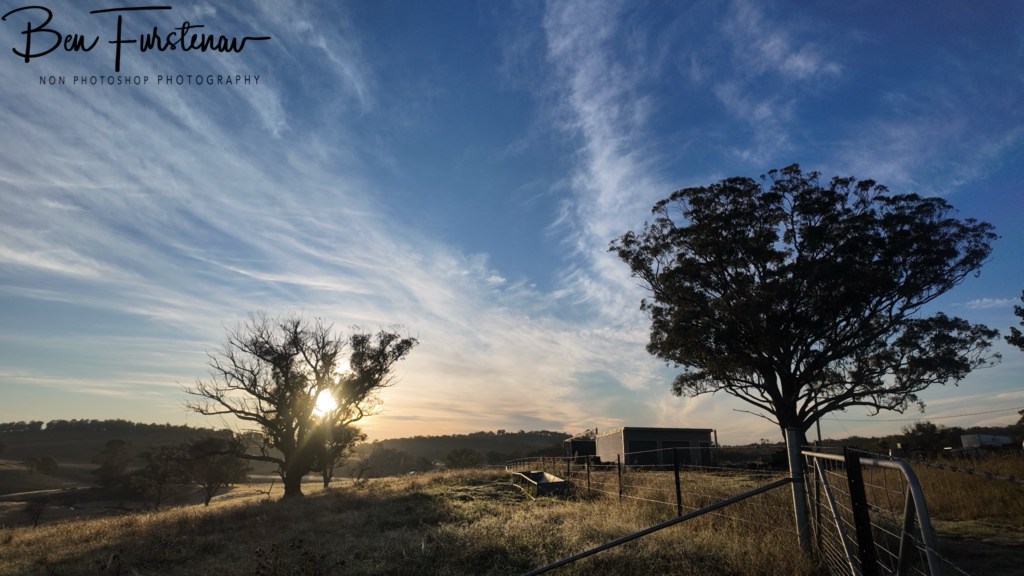
One that adds structure and colour.
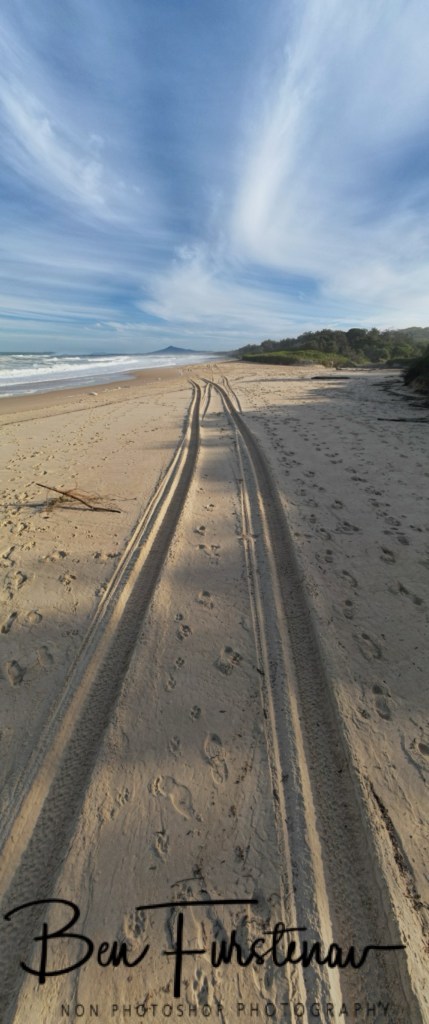
One that completes the overall picture.
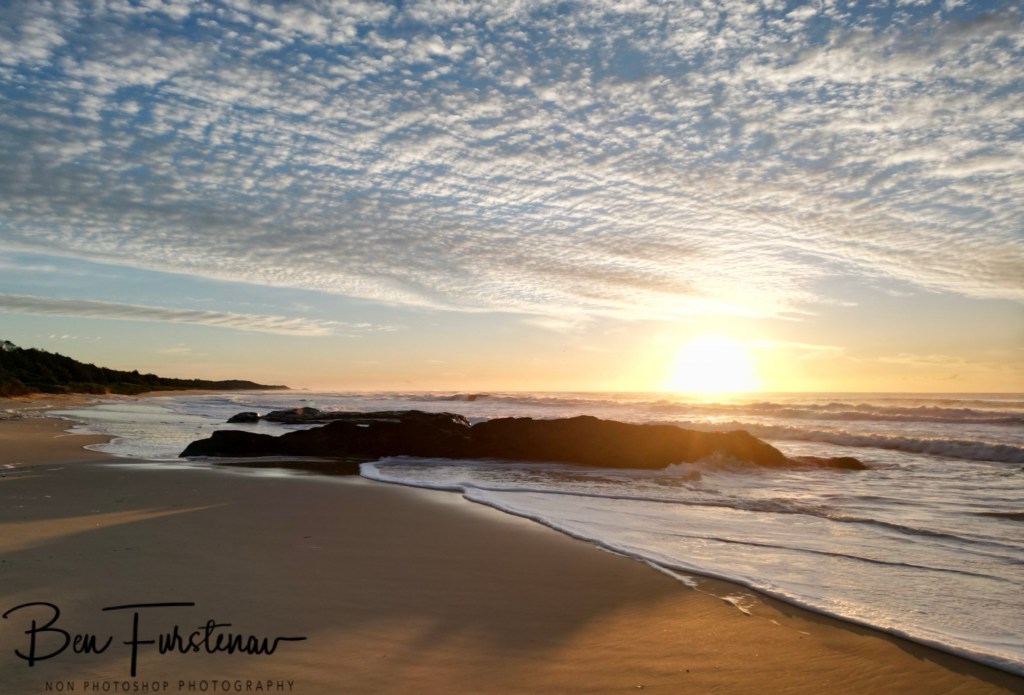
We all have lain in the grass or on the beach to watch fluffy cloud formations pass by and right on top, right recognised certain shapes and characters like dragons, bunnies or human faces.
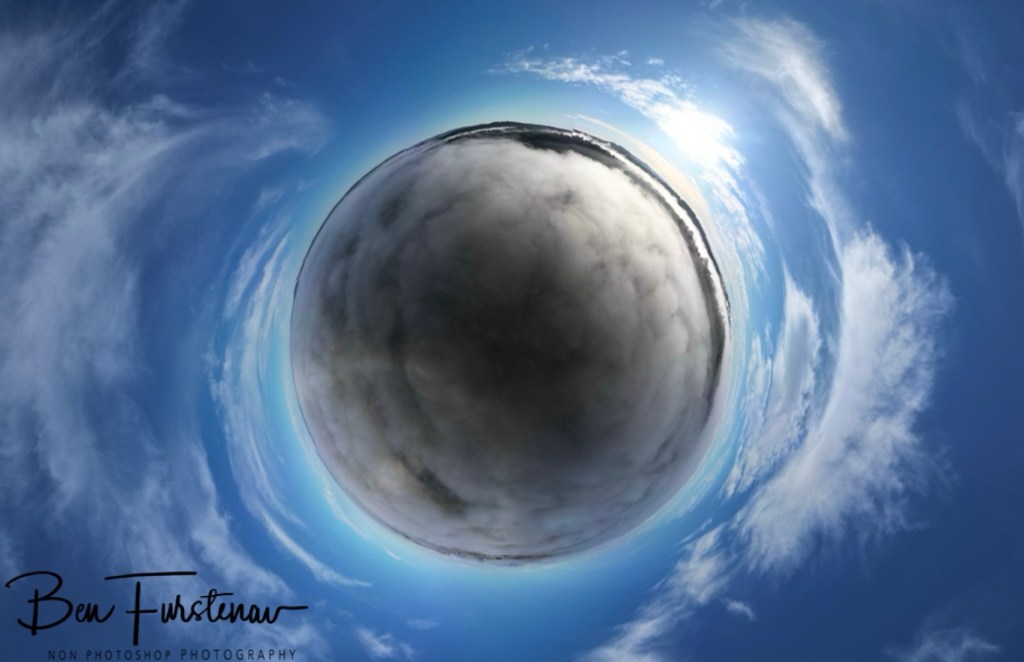
There are different varieties of clouds surrounding this planet, and their creation is as fascinating as it is intriguing. Clouds roam in different stratospheres and move in different directions.
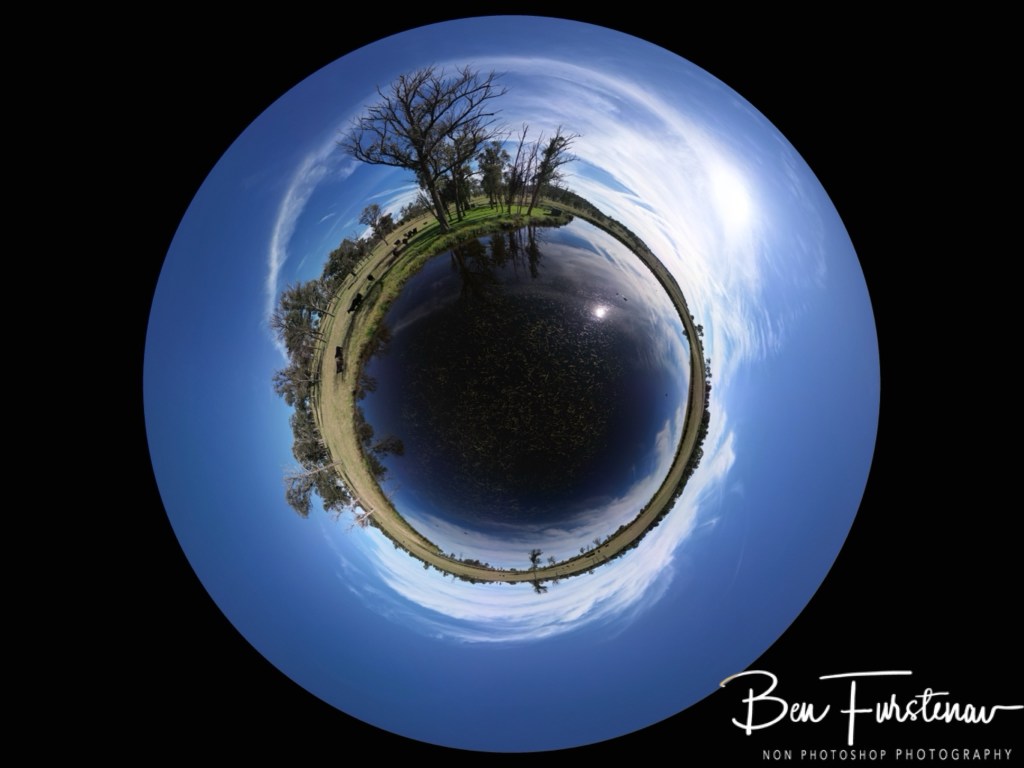
Although windy from the northeast at ground level, cumulus clouds high above shift into the opposite direction. The high-pressure system always moves towards the low-pressure system. The faster it moves, the more radical are the consequences.
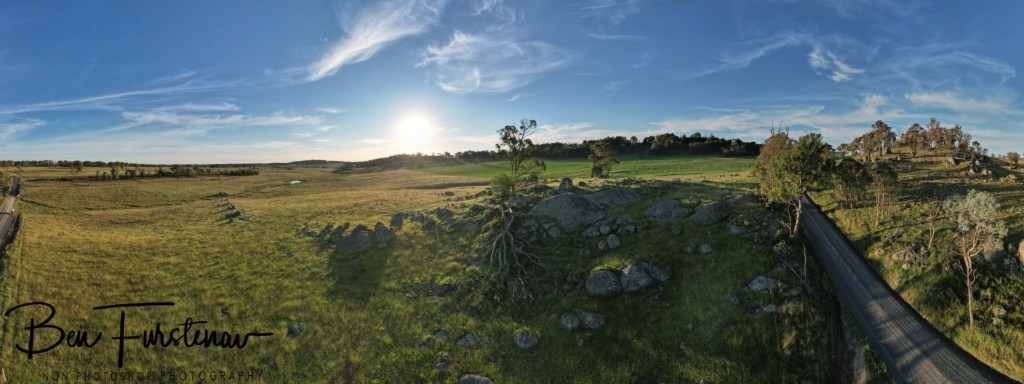
This is more so obvious in the highlands, not only on this high plateau. Hot outback air bounces off the elevating mountain range and is driven into colder altitude air.
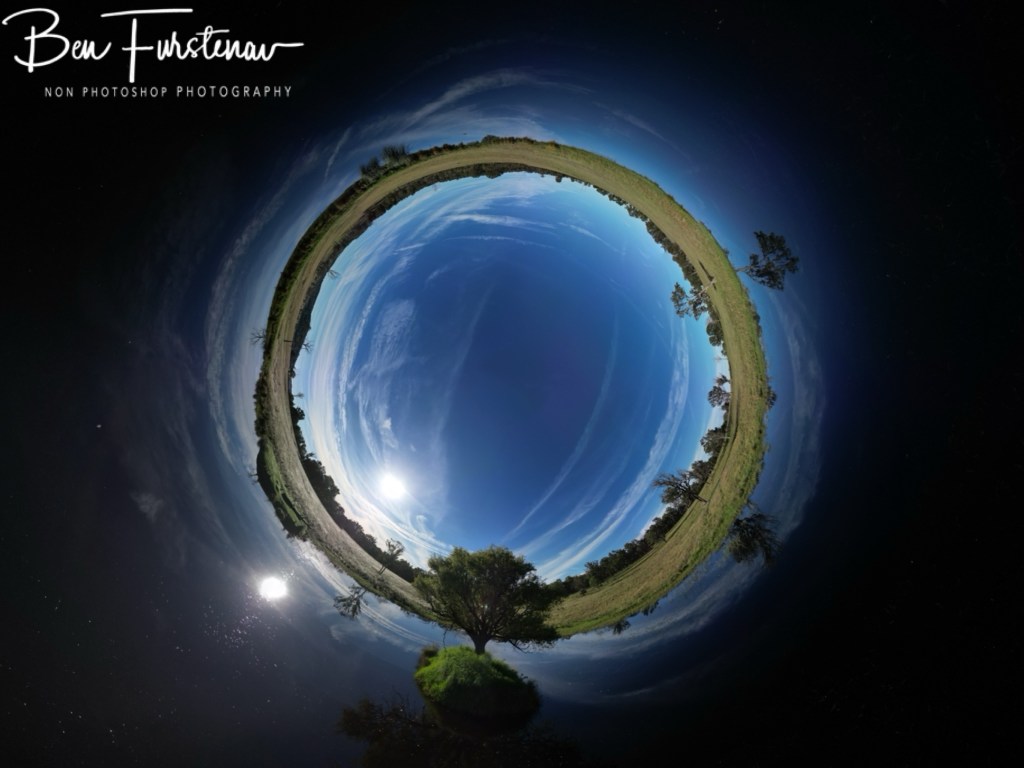
Cloud movements are barely visible to the naked eye but look incredibly moving on a time-lapse video.
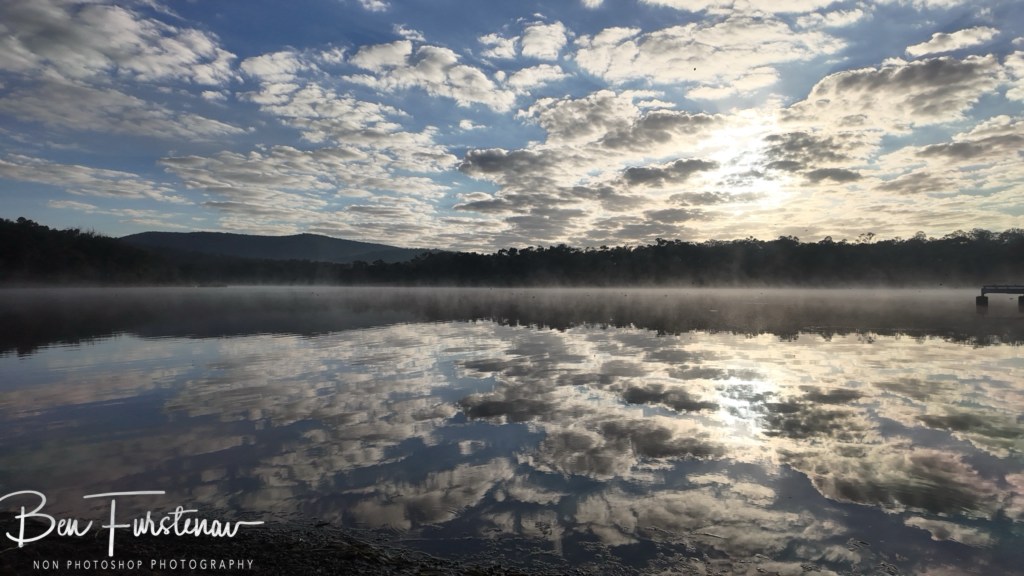
Imagine you could double the effect on an oversized mirror. Lakes and dams do just that on calm days.
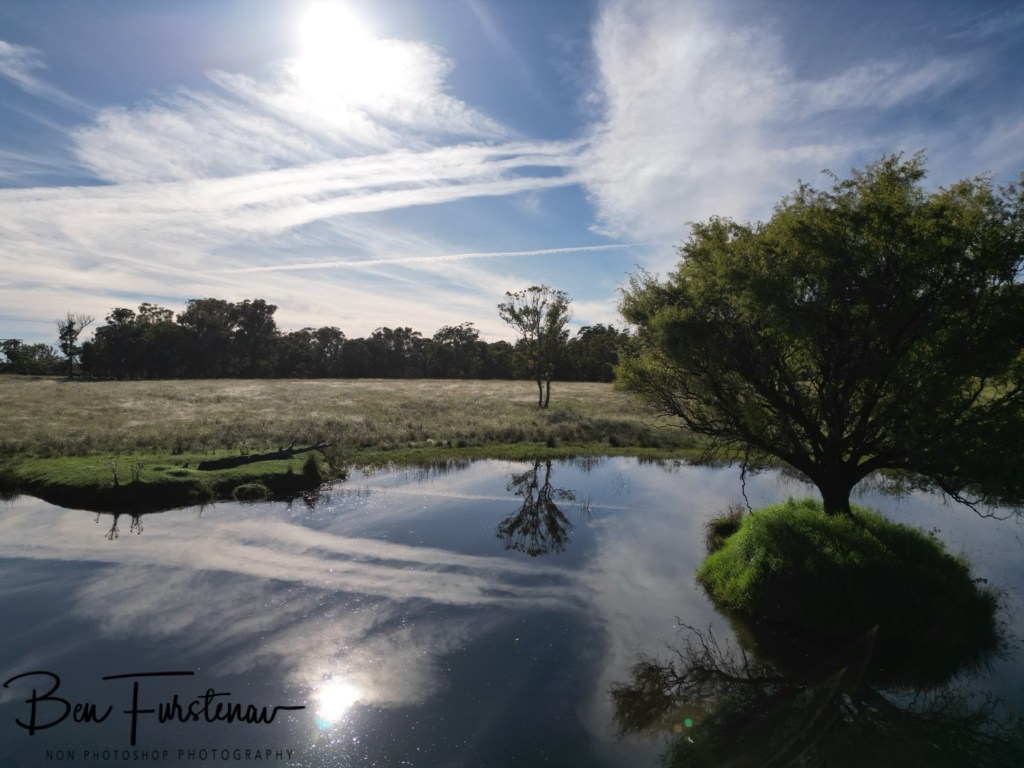
Sun, clouds and landscape doubled to your imaginary natural display.
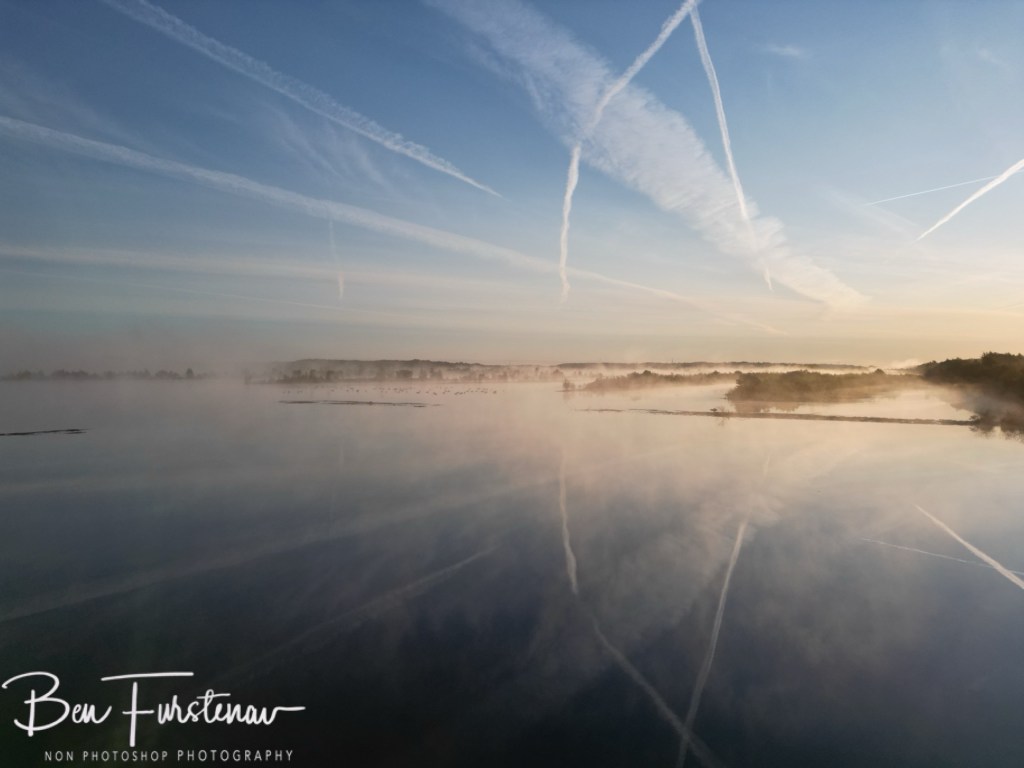
Dramatic structures combined with vivid colours blended by the sun.
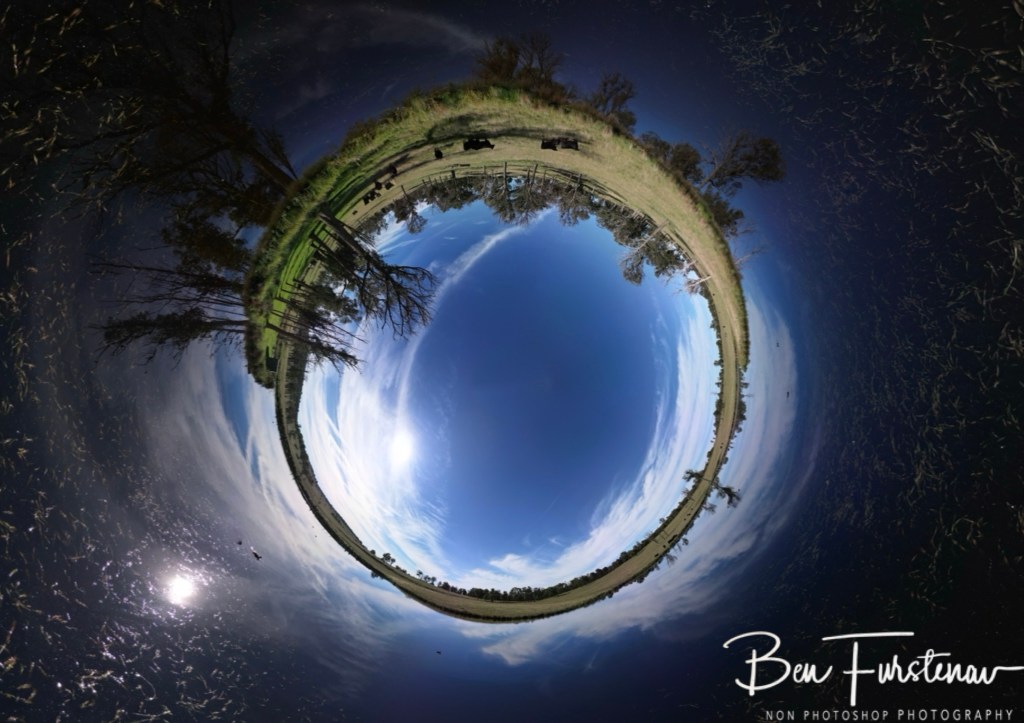
Reflections away from the sun’s direction are more colour saturated in early mornings or evenings. It’s called the golden hour for a reason.

