I feel incredibly privileged being able to observe the abundance of native Australian Birds here in the New England Tablelands.
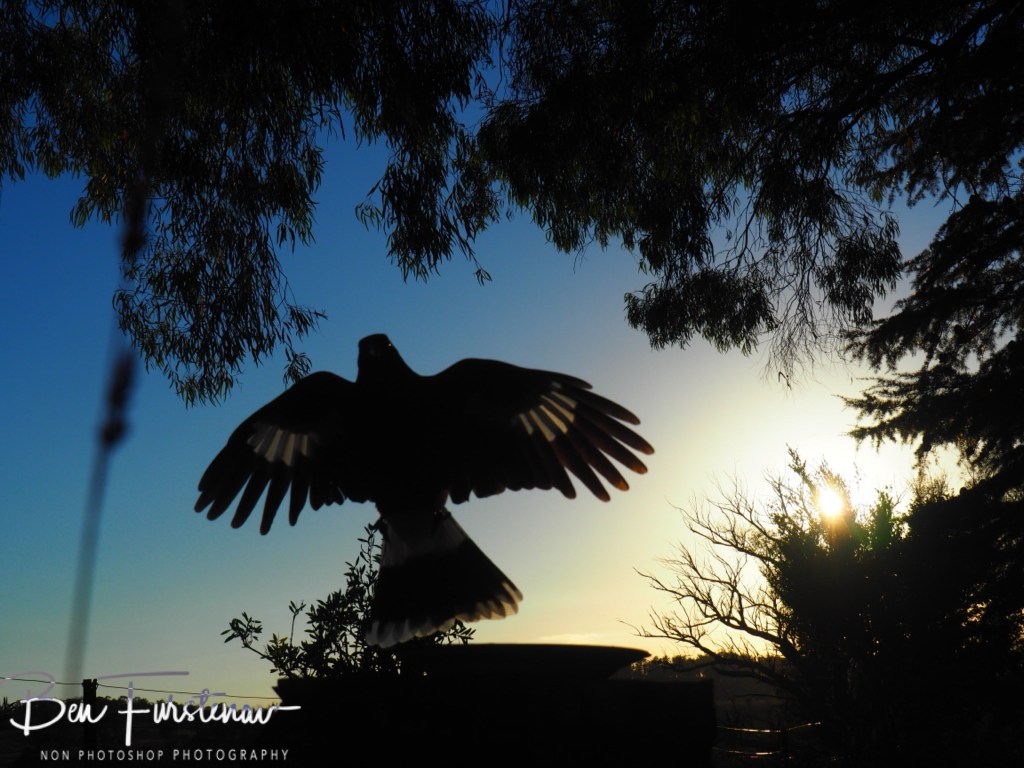
This piece of land is an eco paradise in the middle of the highlands where I feel at home.
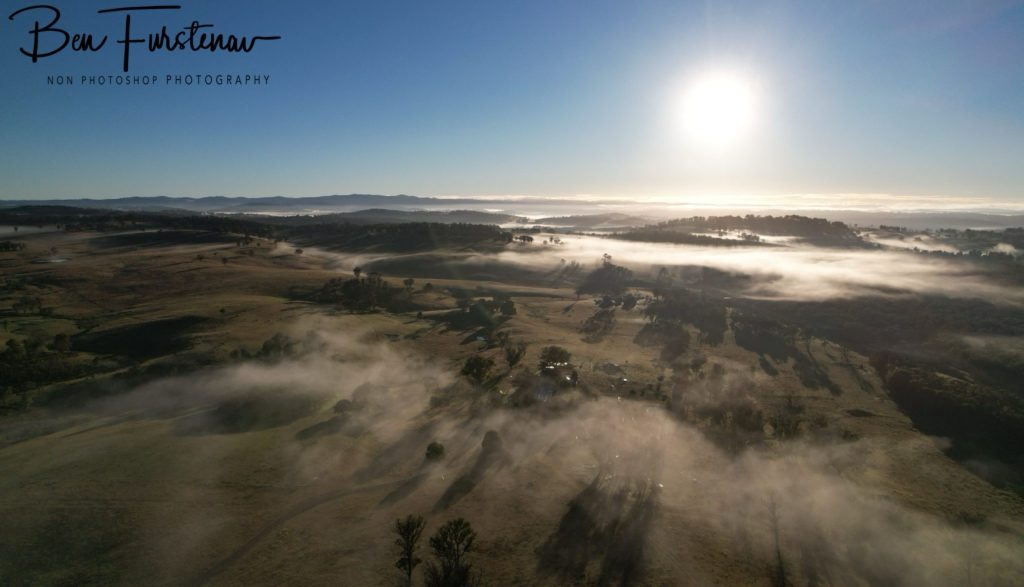
So do all other residents.
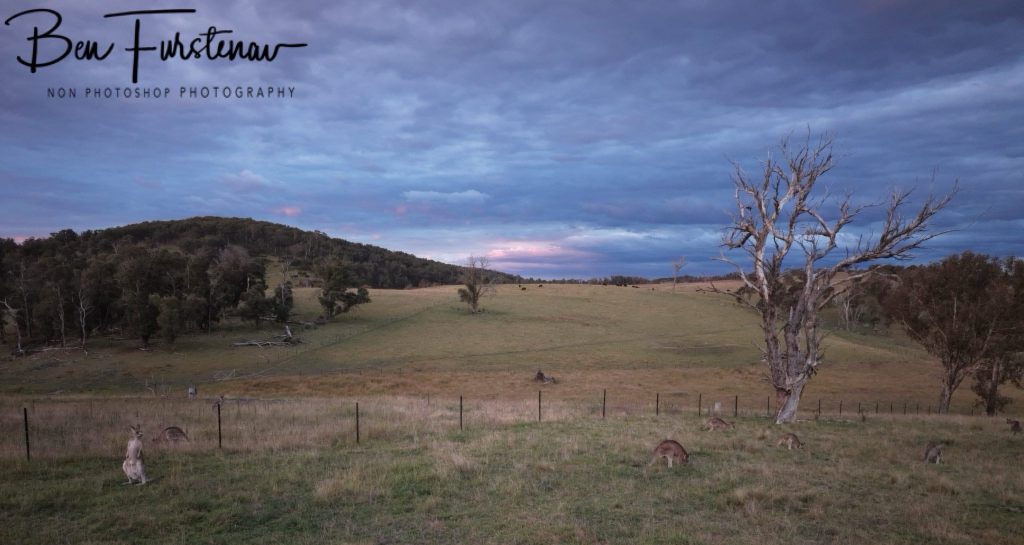
We have an abundance of local feathered visitors, all within their distinctive chirpy personalities.
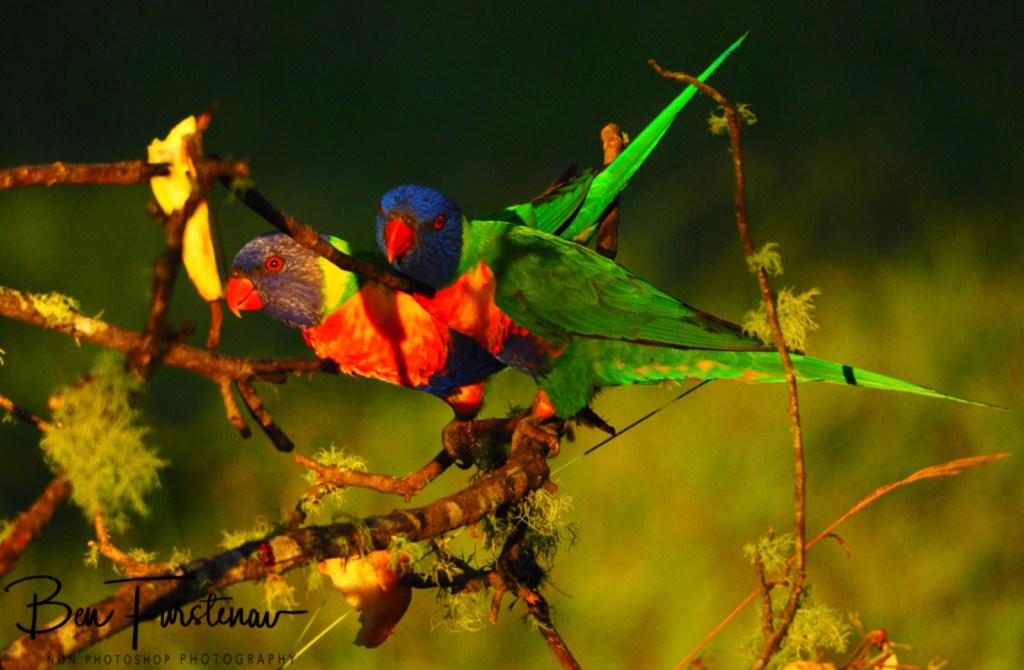
A pair of Lorikeets just added to the playground.
Black cockatoos are often heard squawking in the tree tops above but rarely seen.
White cockatoos visit in smaller family-sized groups and are always chased by magpies. Tag, you’re it.
The ‘flaming’ Galahs mate for life in the tree hollows not far.
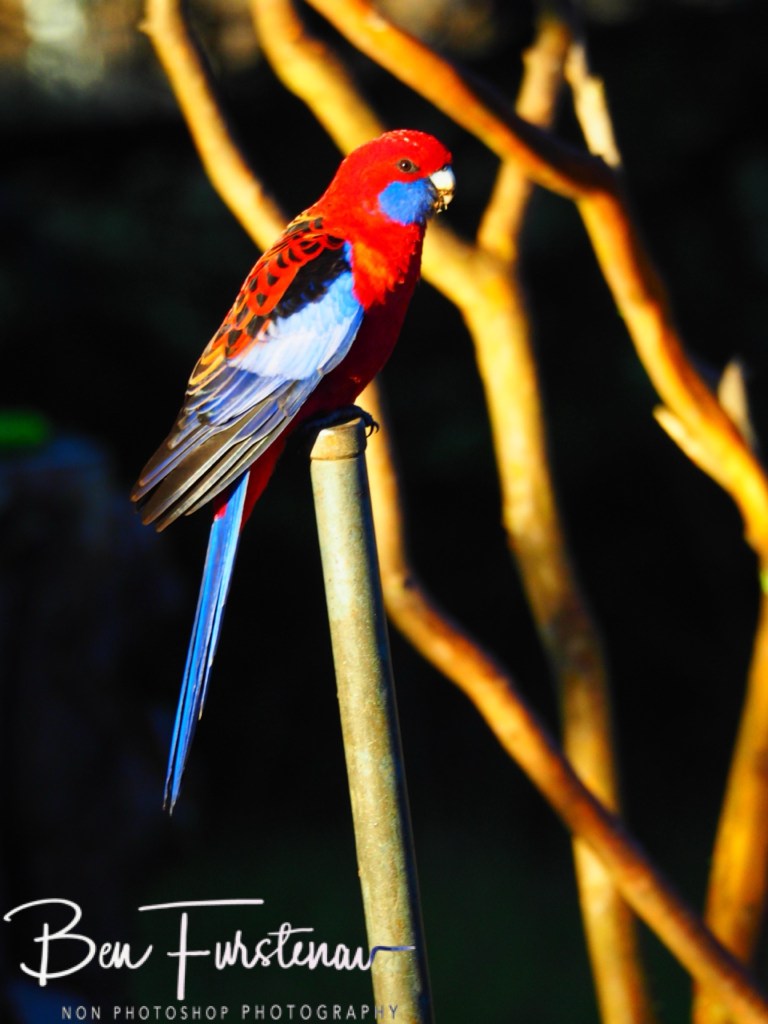
While rosellas scatter out of the high grass when scared.
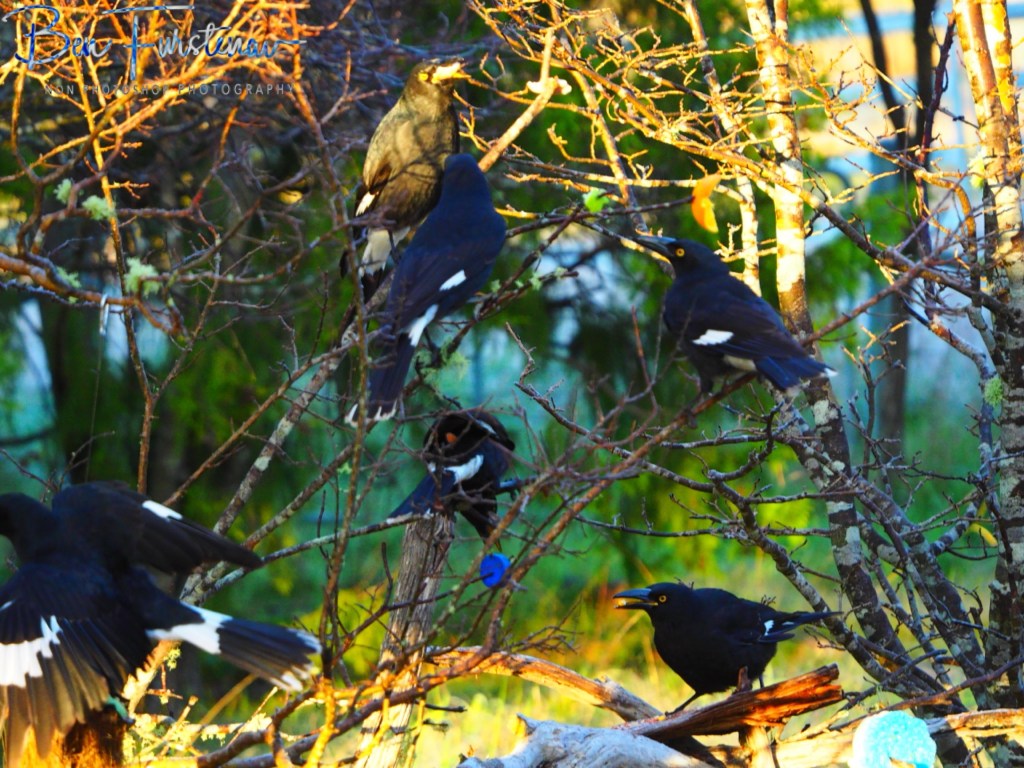
Not to mention the usual suspects such as Magpies, Currawong, Kookaburras, Wattlebirds, Willy Wagtails, Crows and Honey Eaters.
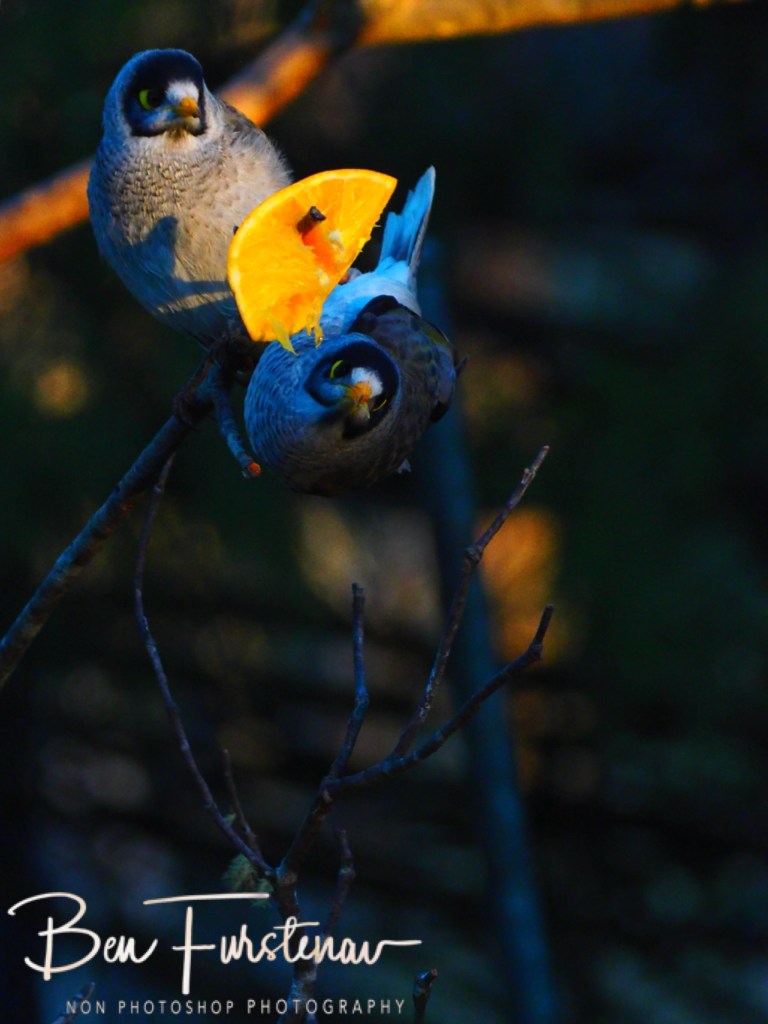
Whilst a flock of Noisy Miners sound the alarm by passing birds of prey. A pair of falcons breeds near the lake. They are the masters of aviation acrobatics.
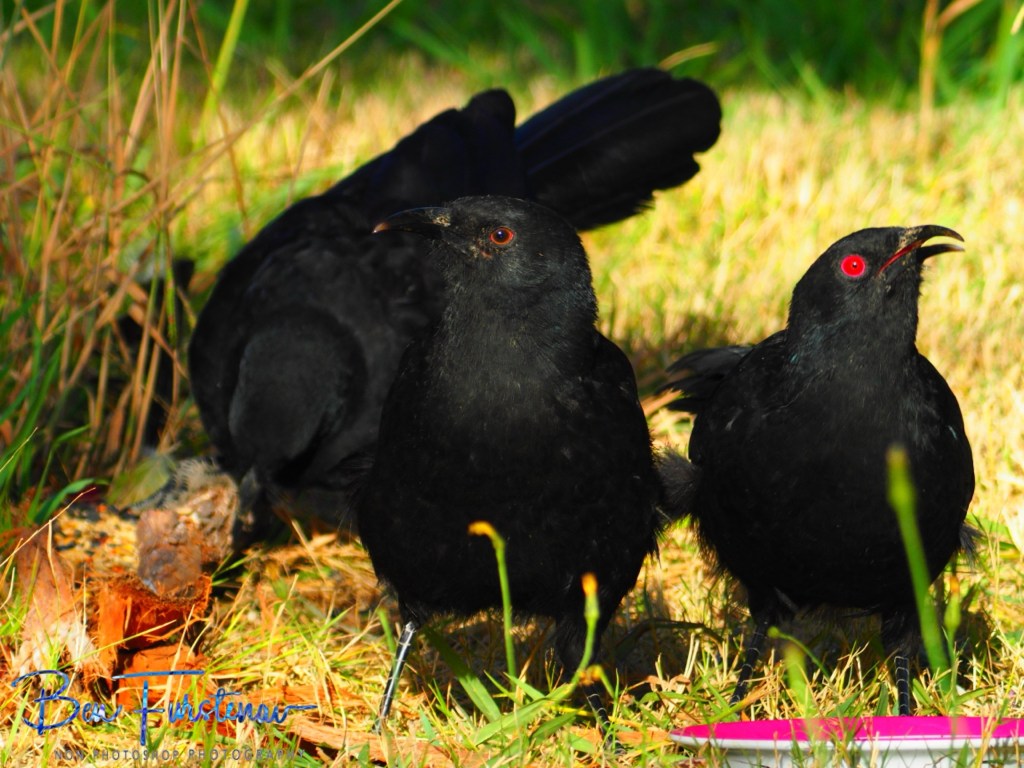
It is a birdie paradise, with or without a camera in hand.
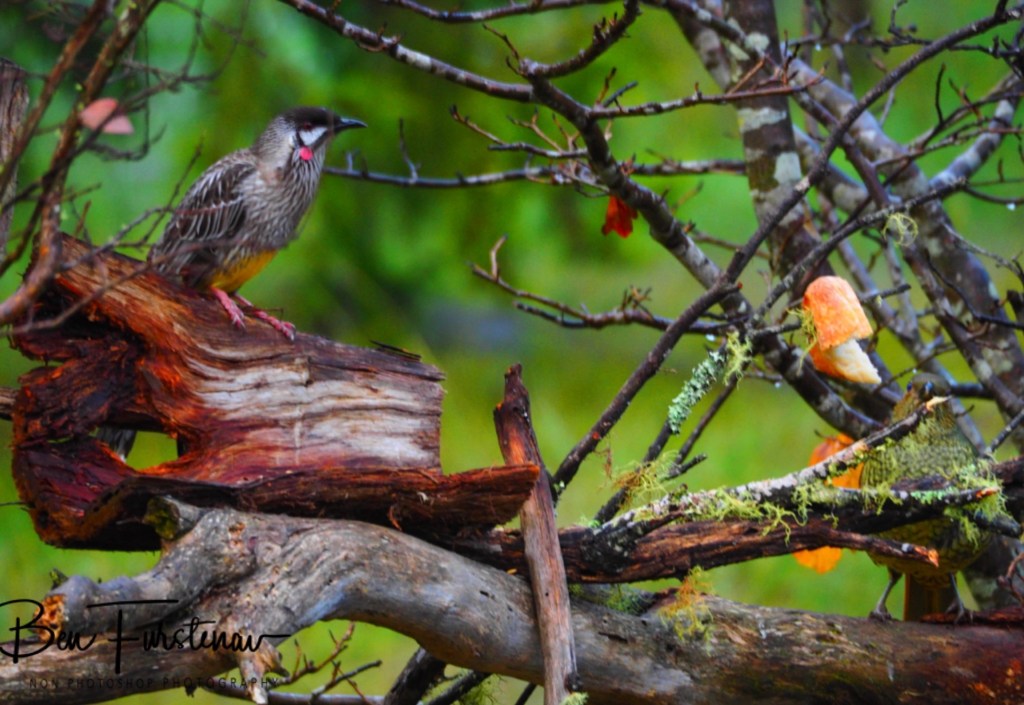
Instead, a coffee, watching and observing.
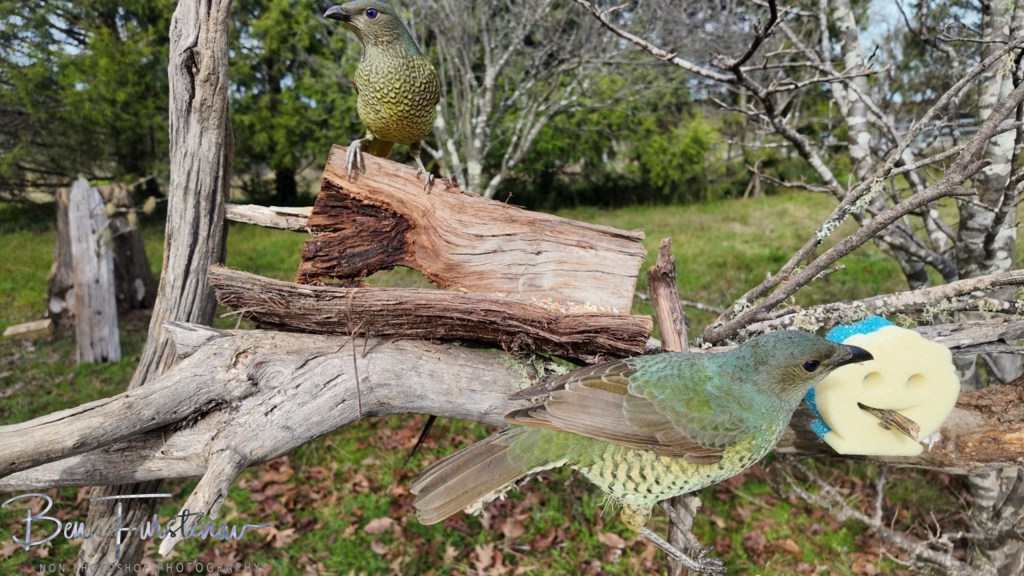
In saying all that, there is one bird that fascinates me more than others. Not just any bird, but born to dance, born to entertain.

This bird is in the Australian Bird of Paradise family and is called the Bowerbird. The male version wears a flamboyant sun-reflecting satin coat and stands out like a beacon.
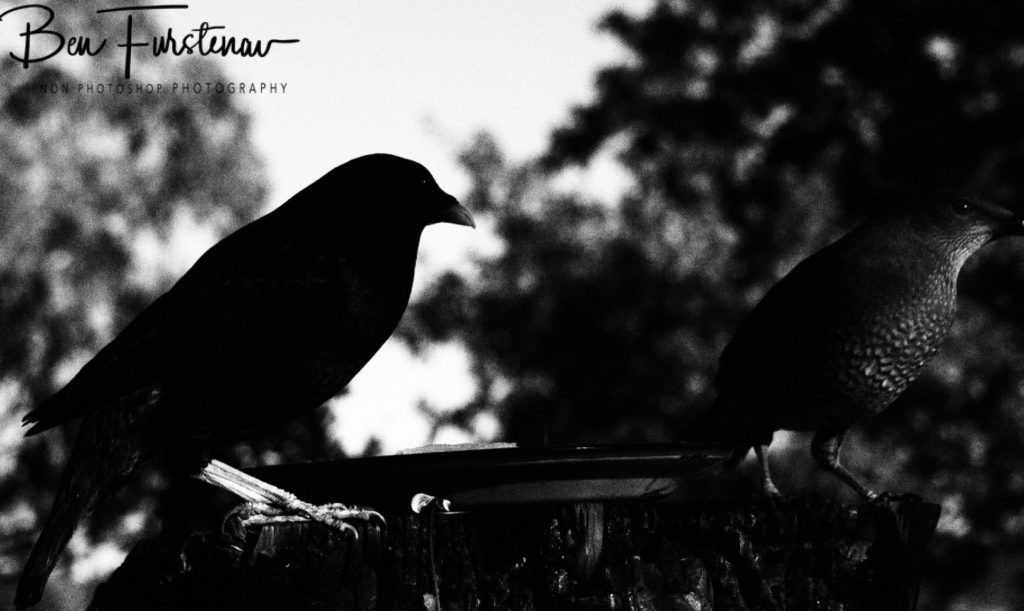
While females stay camouflaged in colour for breeding purposes. It is impossible and highly confusing to distinguish females from young males.
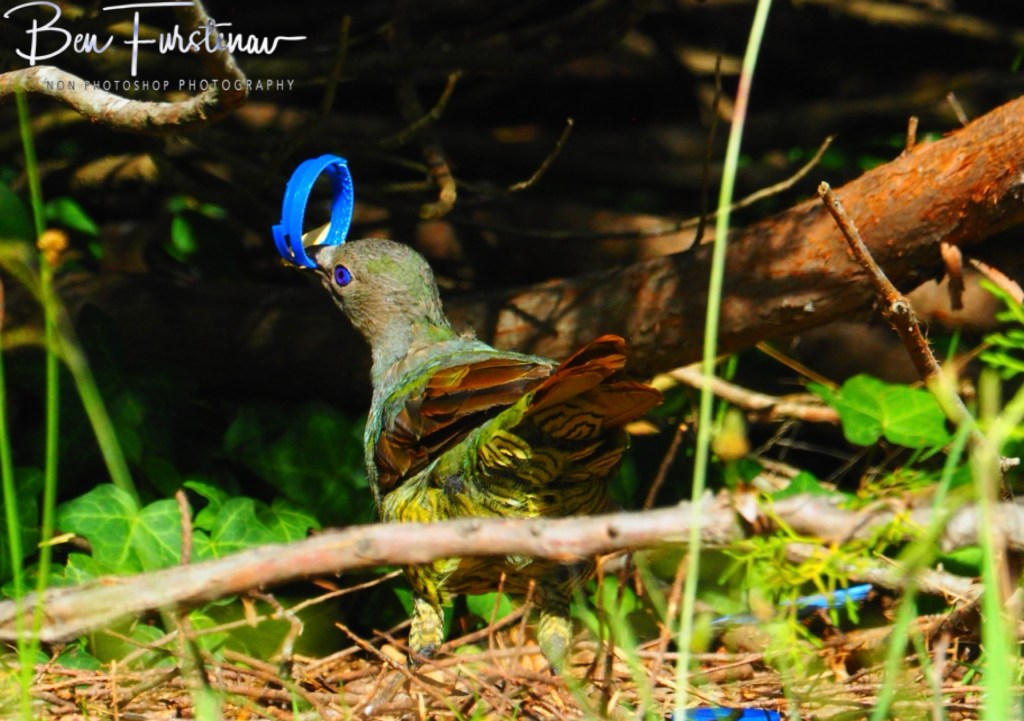
However, more fascinating than its plumage is the personality of these tiny dancers.
While the Regent Bowerbird is smaller and rarely seen, its larger cousin is the Satin Bowerbird and rather prolific here.
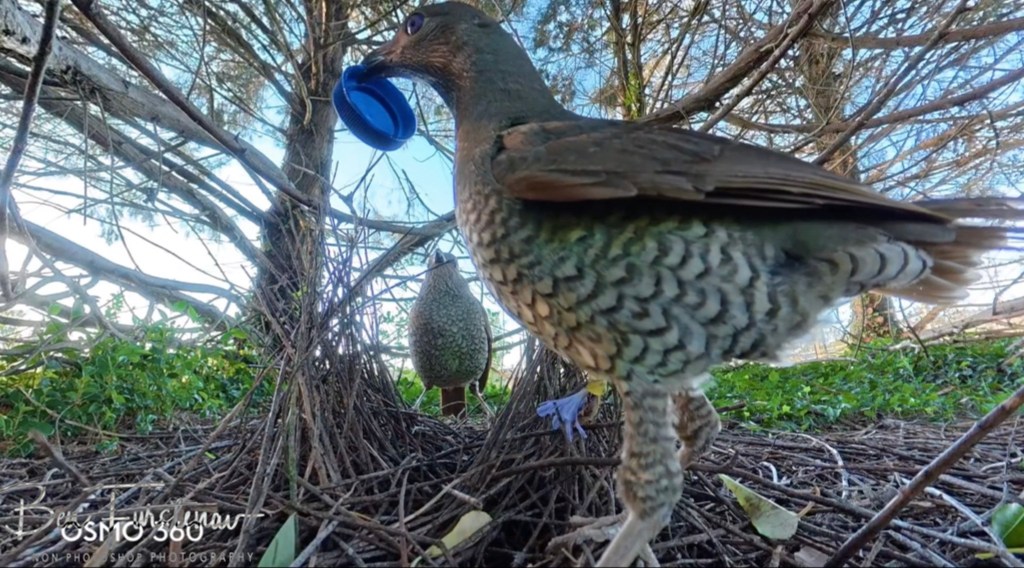
Male Bowerbirds aren’t born perfect performers. It takes practice, observing and more practice. And that’s just what they do. All day, every day.
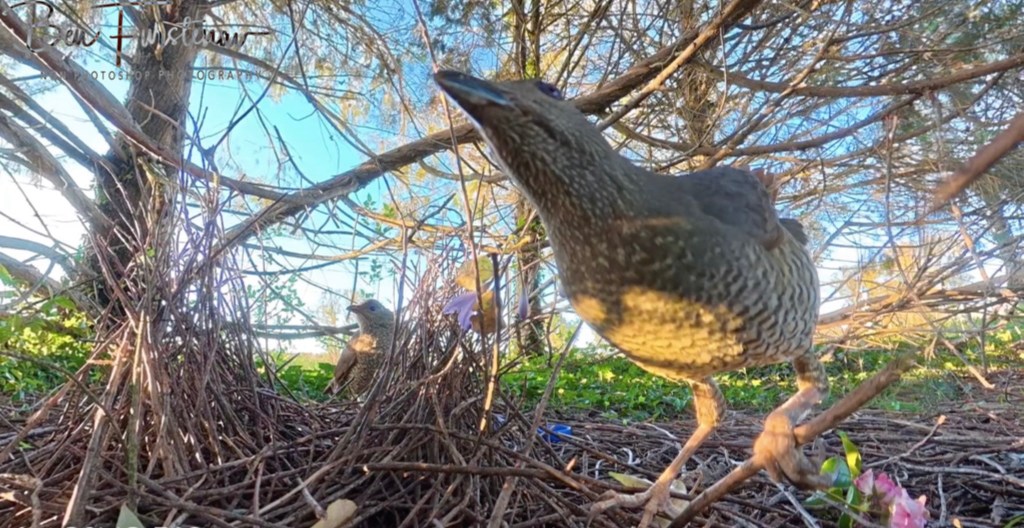
Young males perform in front of each other and choreograph moves and grooves, woos and blues. Bowerbirds just love to entertain. This is their destiny. Dance, chirp and perform. Just for fun. Just because.
All in the name of love, all for that one important reason.
It’s not that straightforward in their nature as one would think.
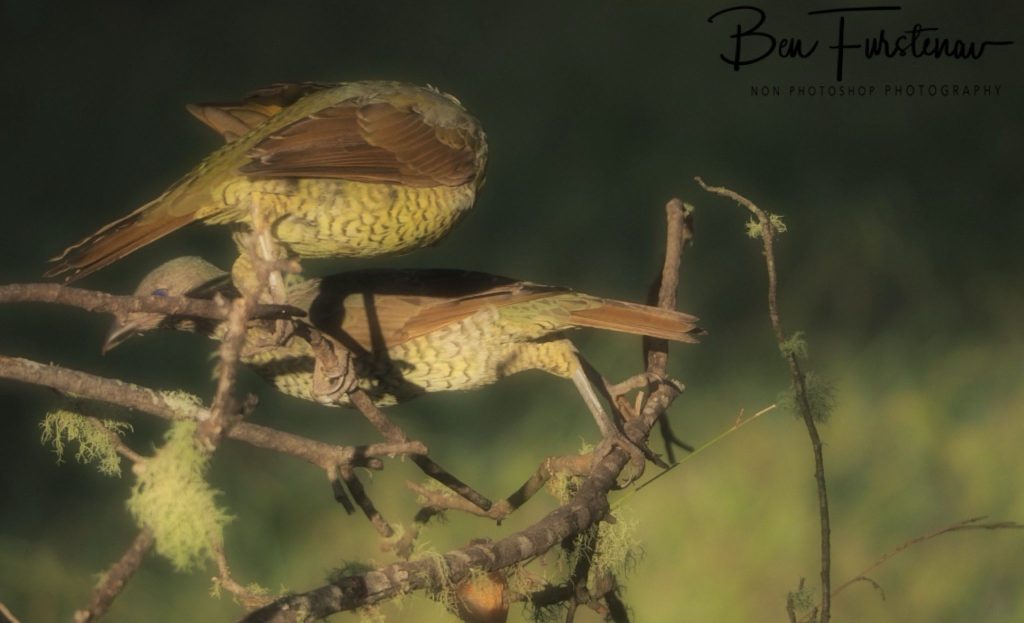
Male bowerbirds aren’t born to shine either. They carry their teenage plumage until up to 7 years of age.
Seven years of green, outer lessons are barely seen.
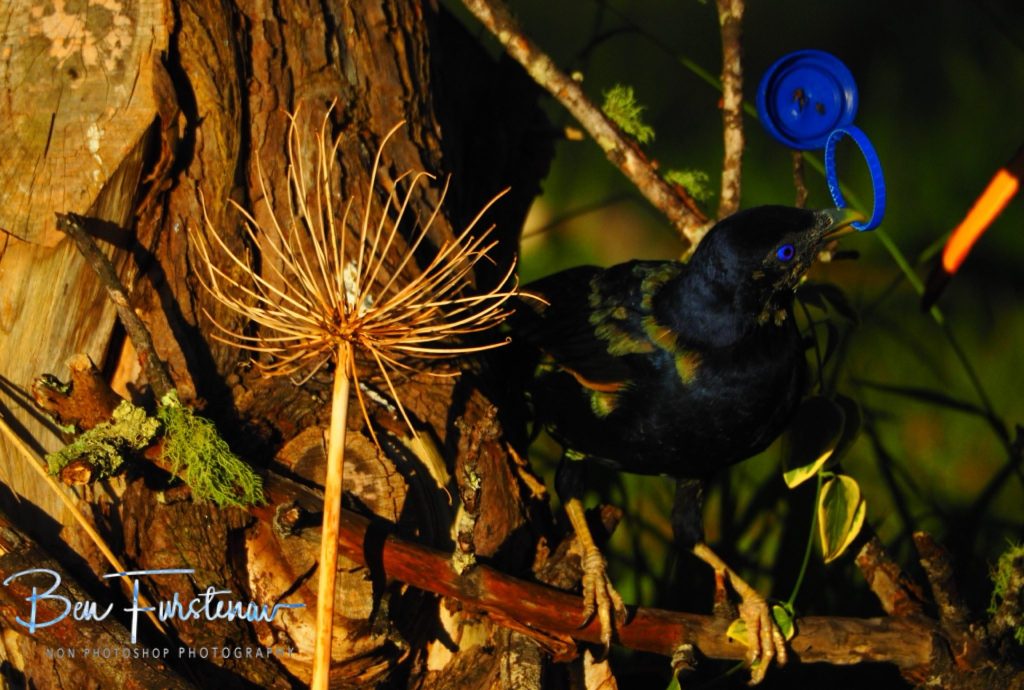
Fine and dine, it’s time to shine. Feathers are replaced with a satin blue gown.
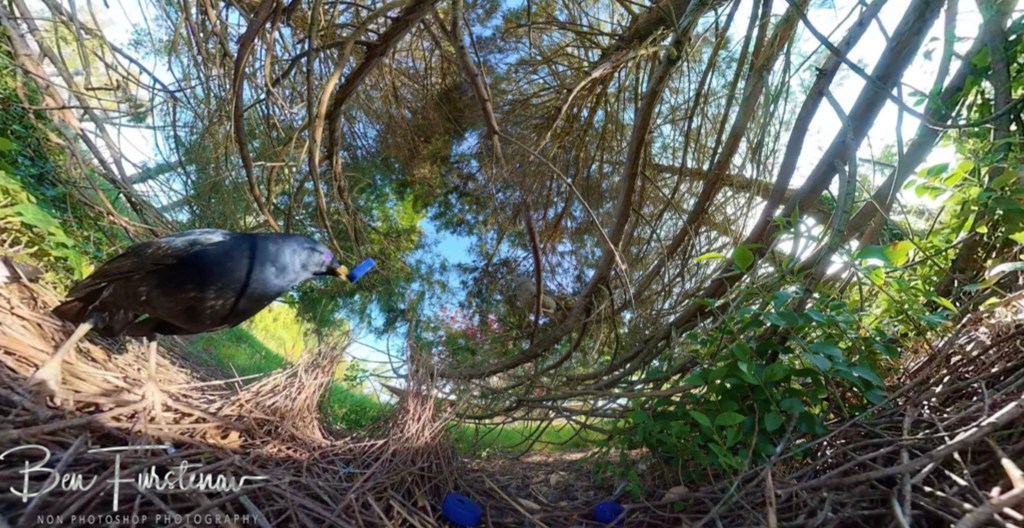
This is when maturity and testosterone levels really kick in.
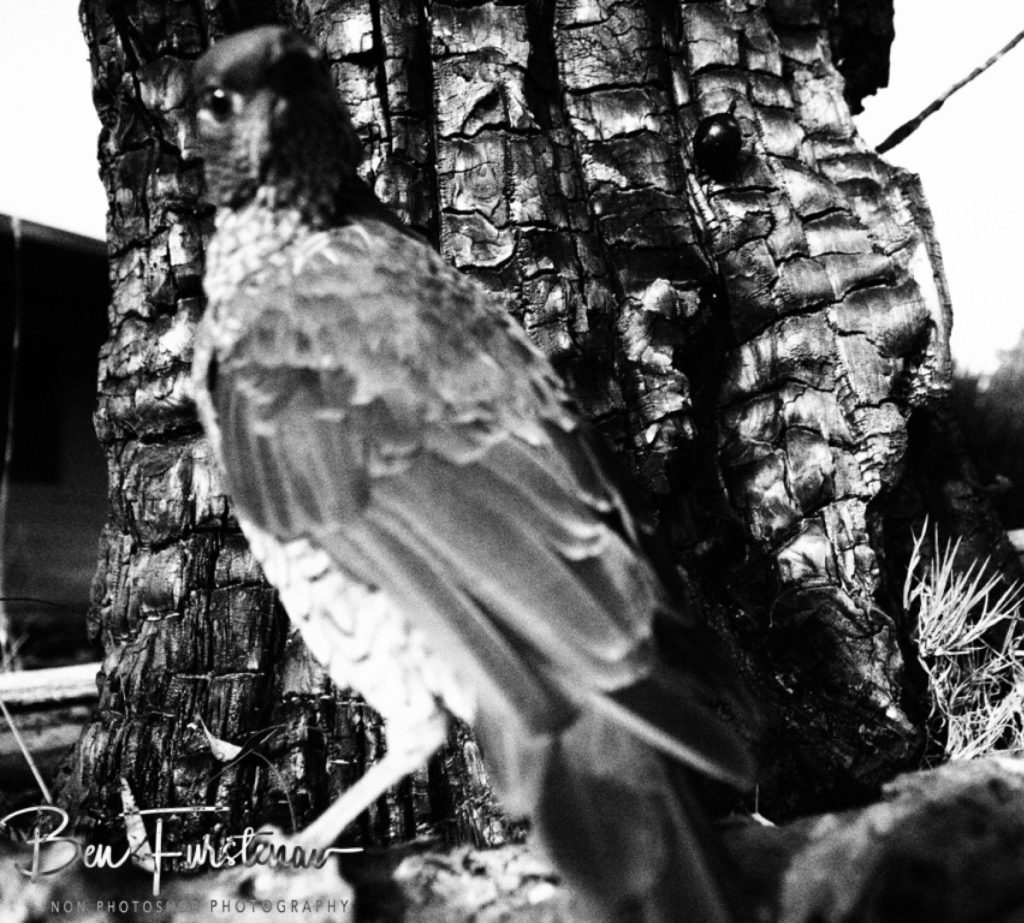
At least a dozen females and/or premature males, two fully coated males and two outer lessons that just changed colours this summer, call this place home;
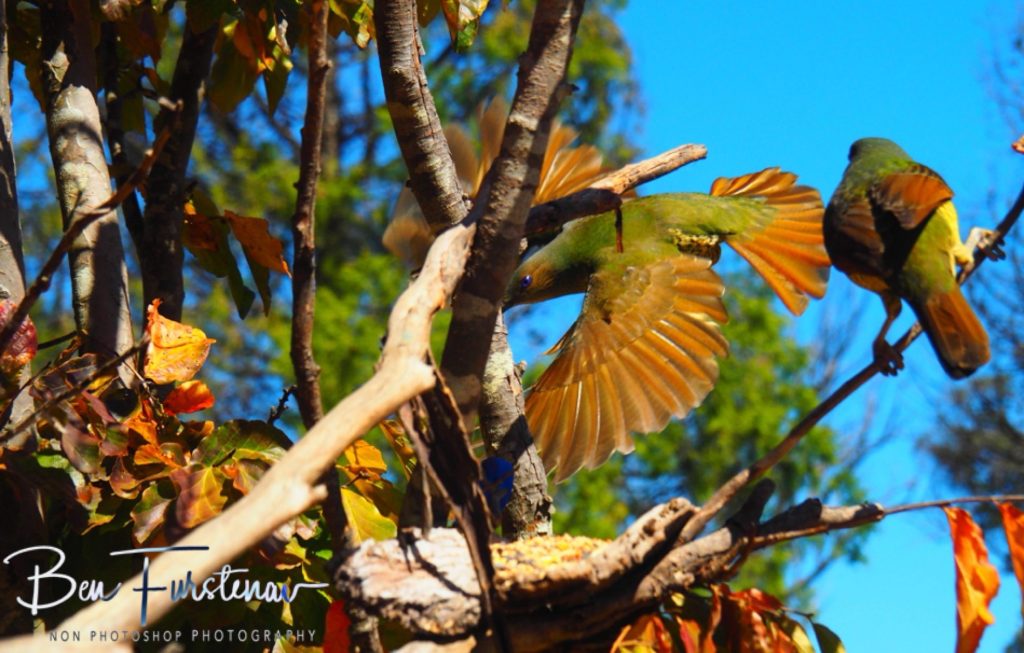
These are their stories.

