My first activity in the morning is to prepare breakfast for my visiting feathered friends.
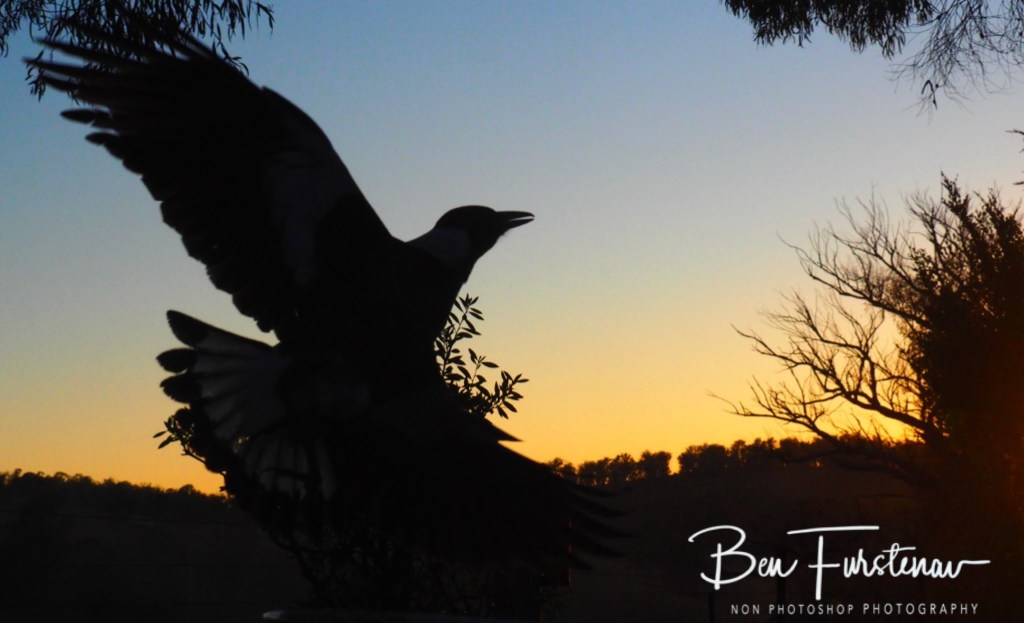
First light has just dawned upon us and the bird chorus has already announced its arrival.
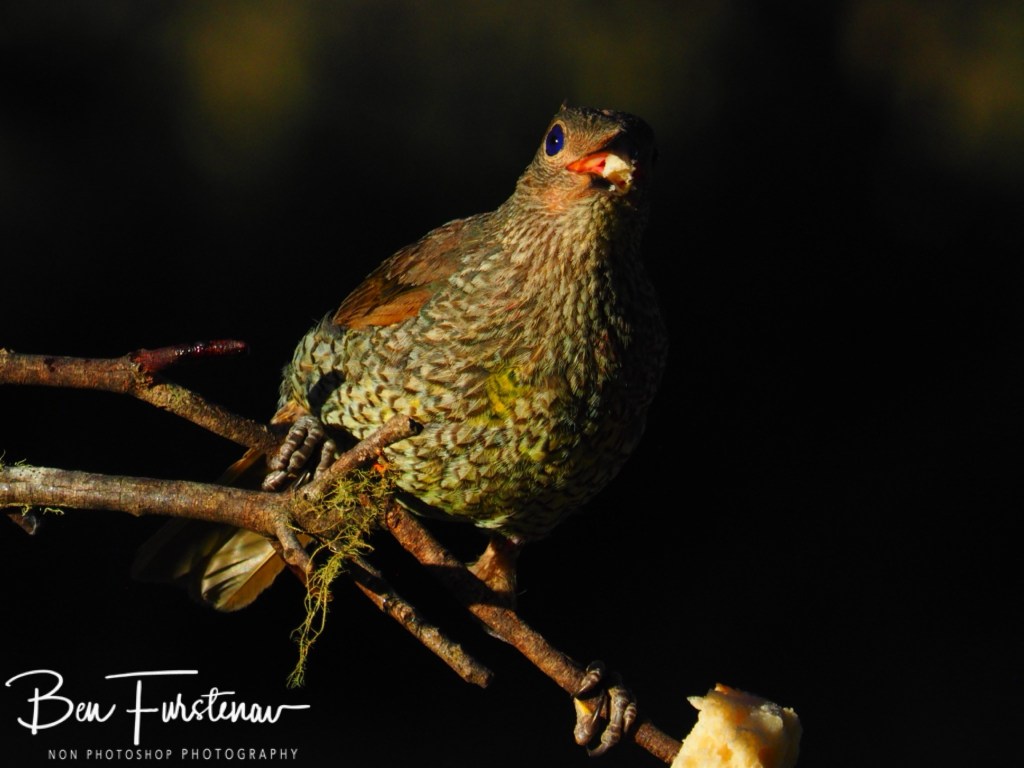
My battalion of Satin Bowerbirds are part of the breakfast gang, off course.
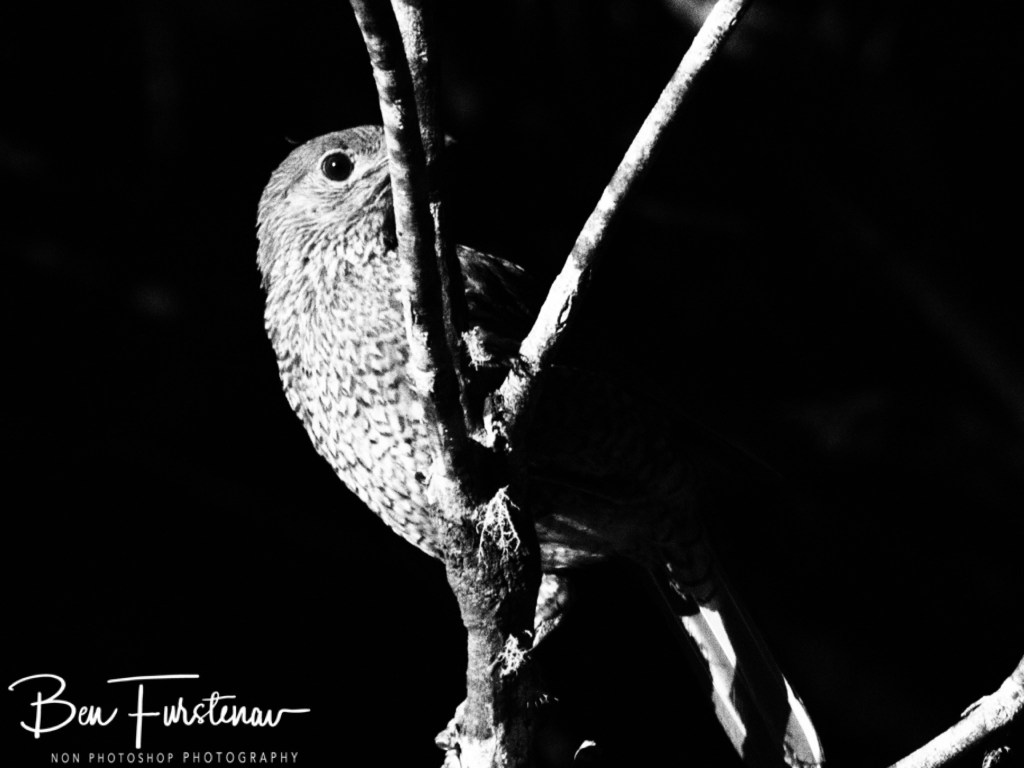
They are the most active and numerous visitors.
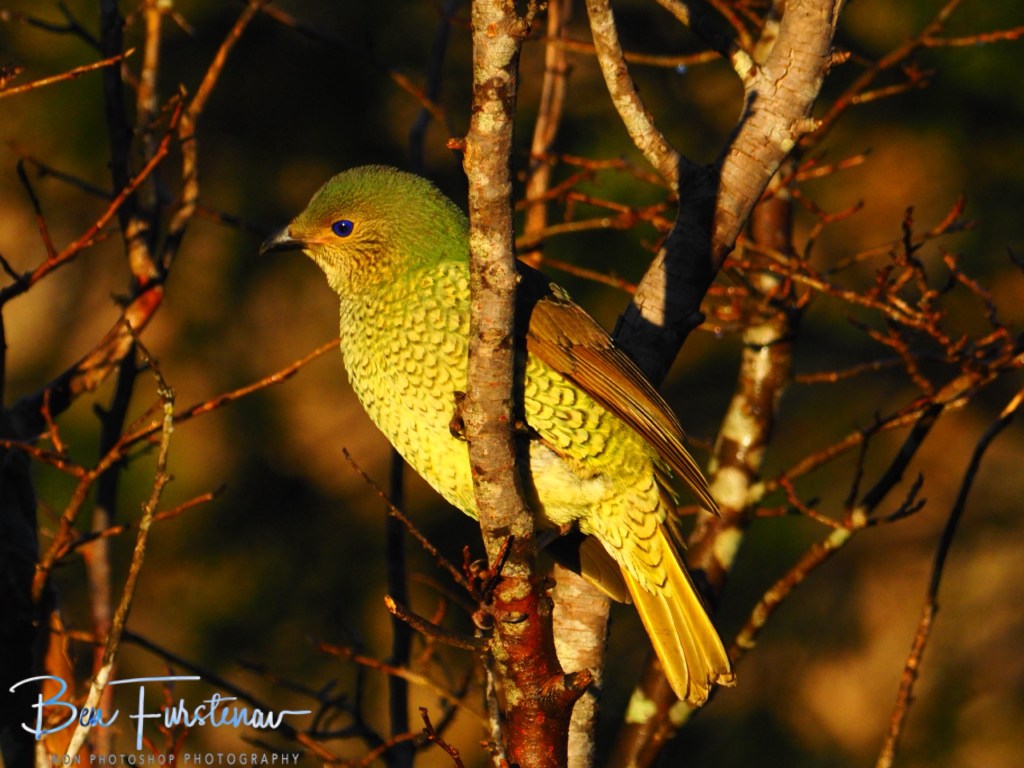
Even though classified as solitary, they unimaginably interfere with each other.
But there are many more engaging and colorful personalities on wings.
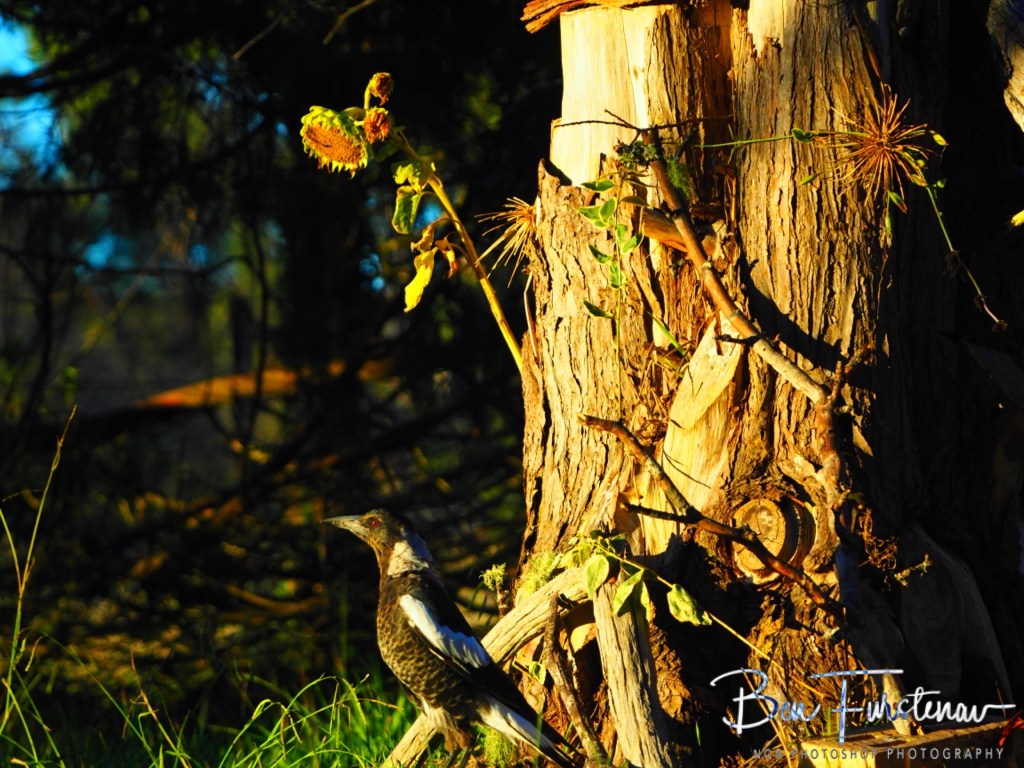
Magpies are usually the first ones to preach and reach the feeding grounds. Their heads are full of feathers after a long night on the roost. Play or not, magpies chase each other throughout the terrain.
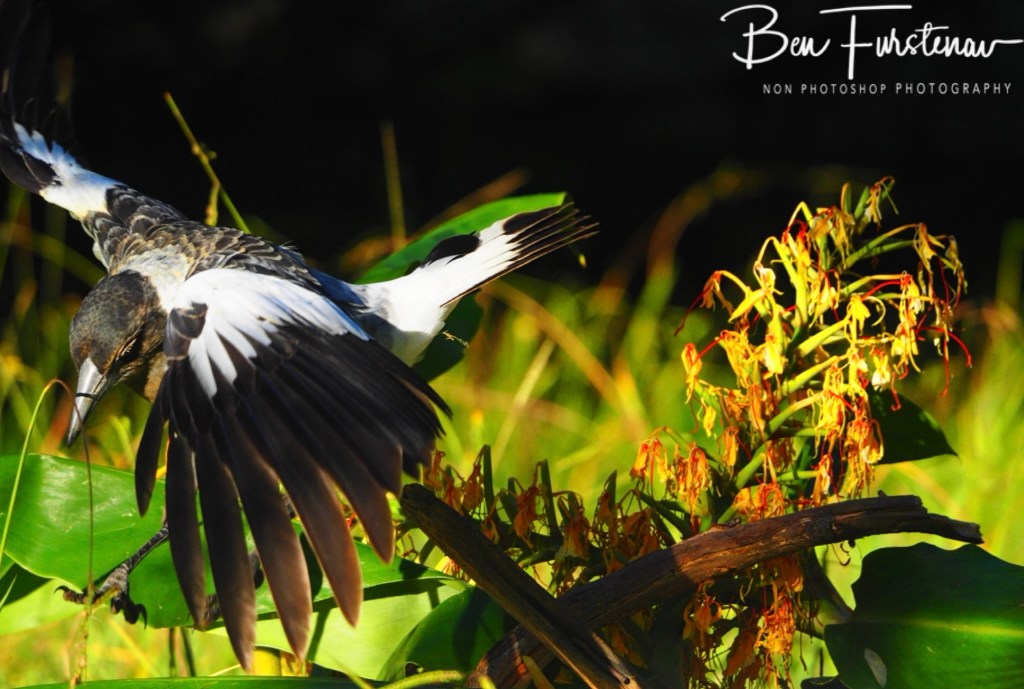
Siblings, it appears, role play fight and bounce up and down on one another. Such comedians.
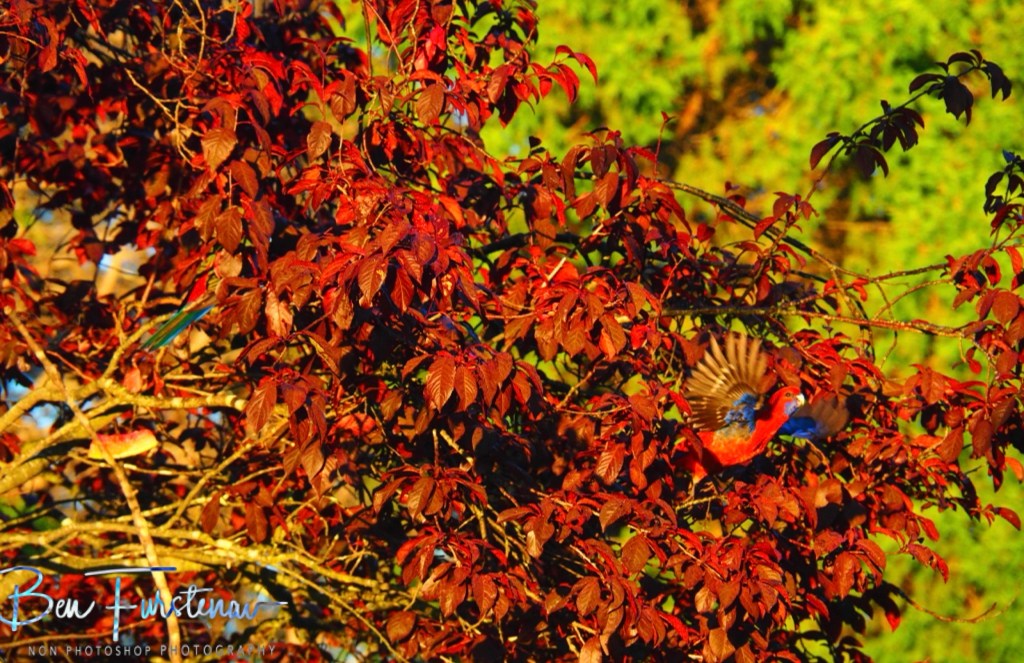
Meanwhile, rosellas nestled in the canopy up above. They wait patiently for me to finish my round. Both kinds, the Eastern Rosellas as well as the Crimson Rosellas shine brightly in a colourful down. They are grass seed eaters and prefer the seeds placed on the ground.
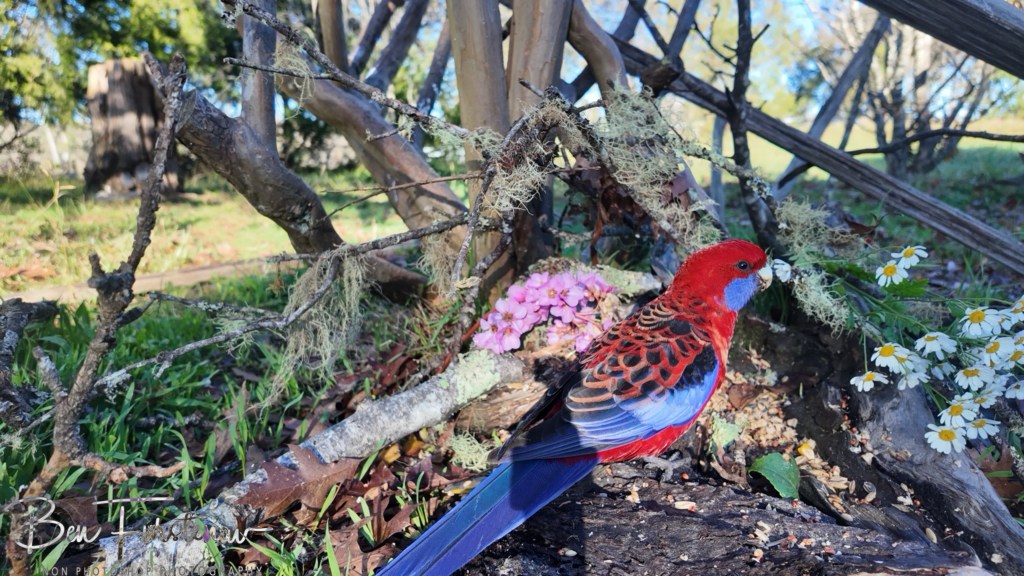
But no elevation is risky business. Predators lurk in the high grass, none of them are native to Australia.
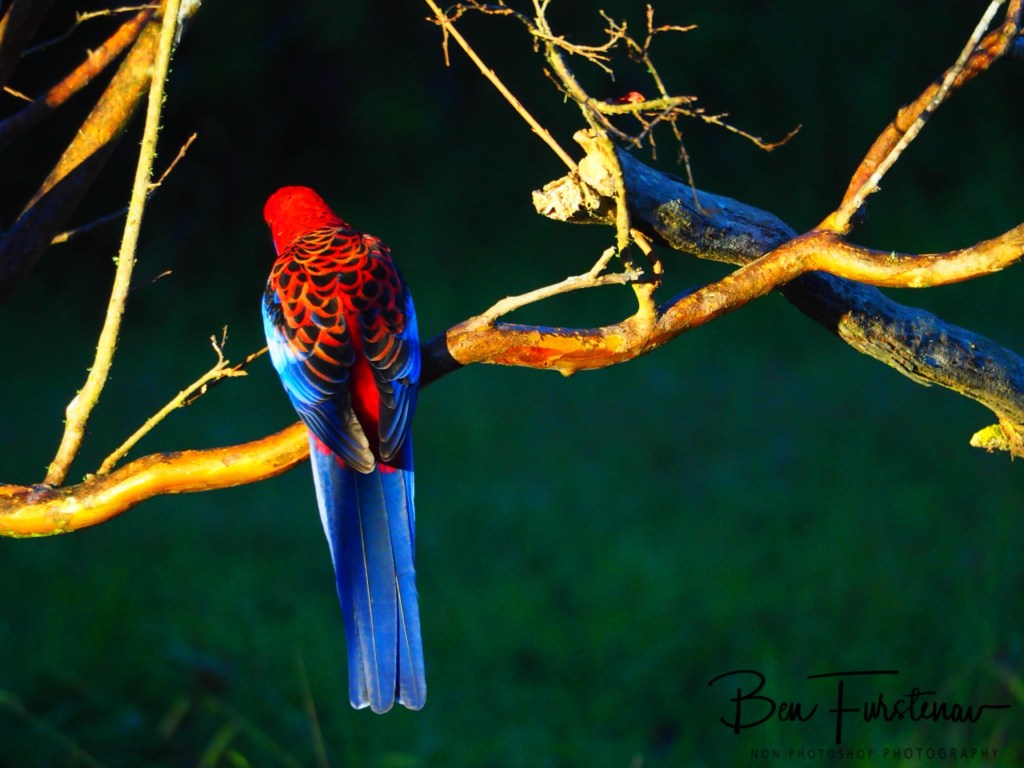
Birds of prey easily spot the flamboyant plumage. No wonder they are always on high alert. It is just so much better to visit my perched buffet. I don’t mind at all.
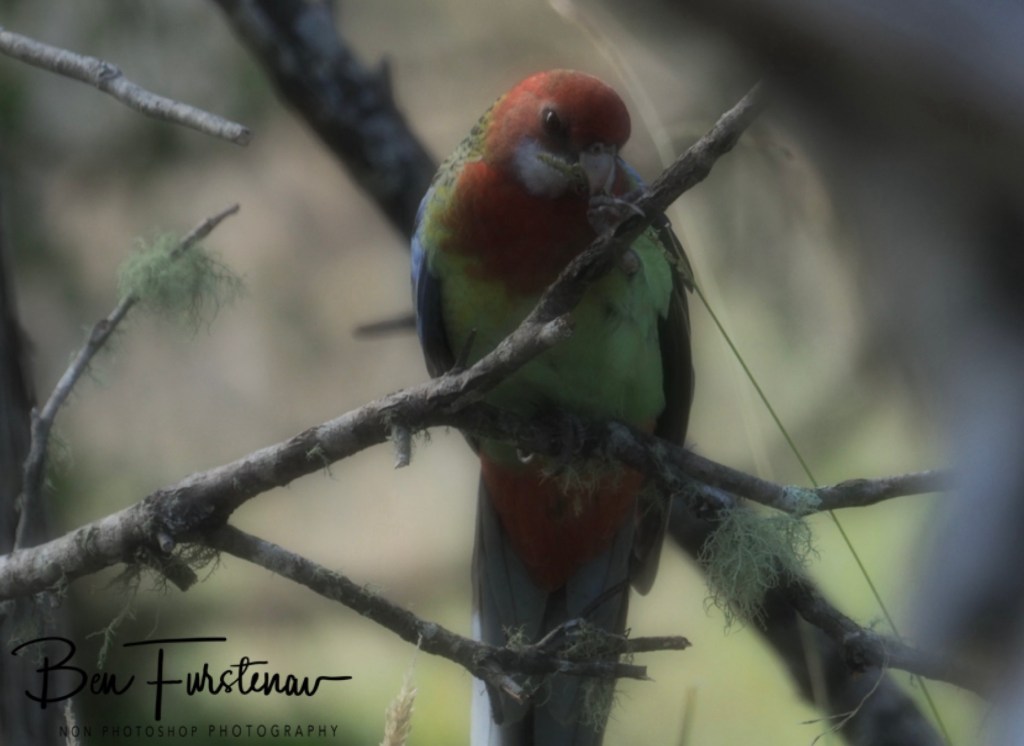
The rosellas look particularly adorable when nibbling on pears or grass-seeds. Usually, the left claw clutches the fruitful feast.
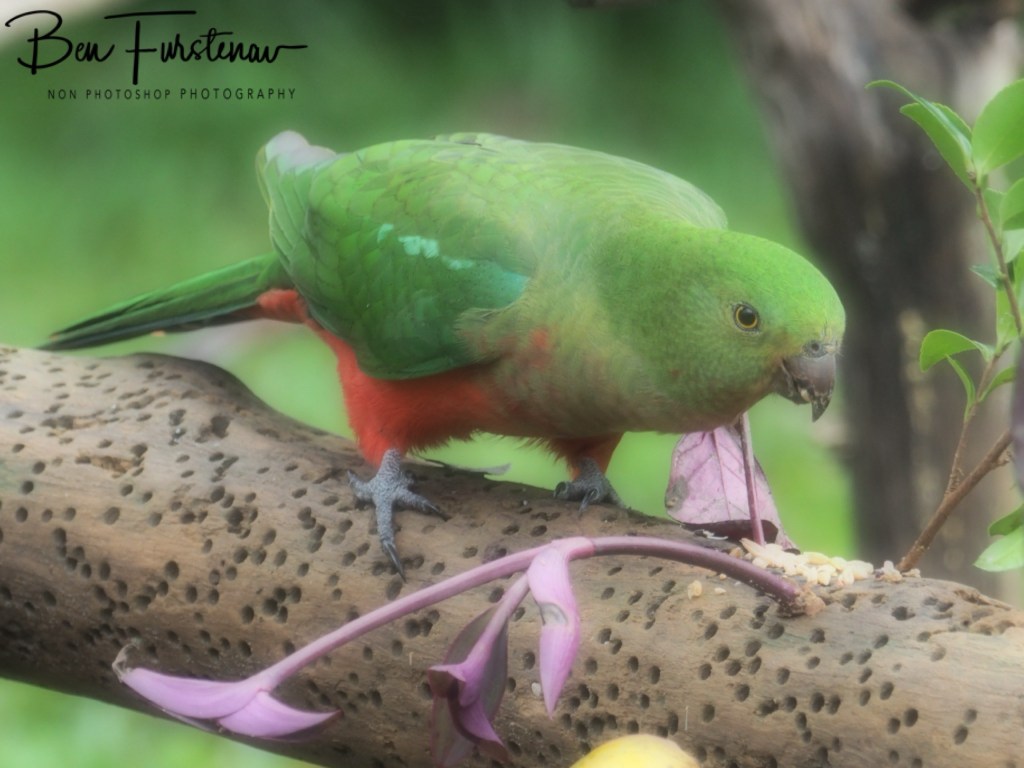
A pair of King Parrots is in the same bird family as the rosellas. Just a tad larger. Both feathery kind portray a similar scratching sound when scared off. Most of the time the birds are heard before seen, flying into the distance.
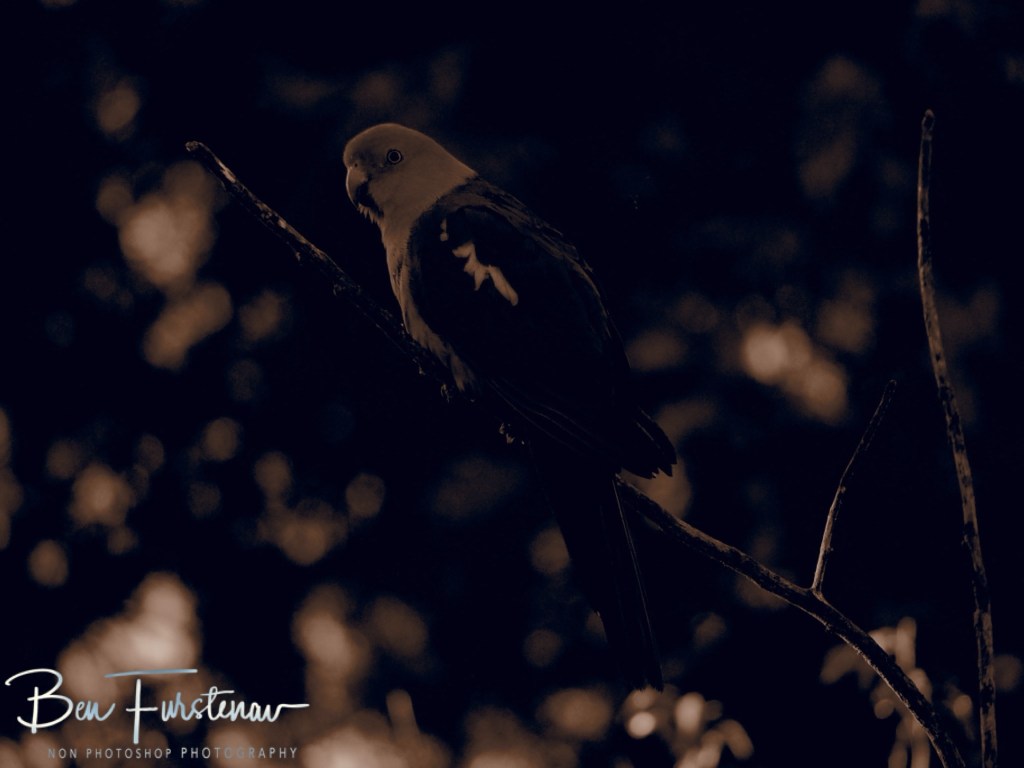
Males and females are easily distinguished with the boys glowing in bright red. The breeding females are mostly green colored to vanish within the natural world when they are at their most vulnerable raising their chicks.
Pink and Grey Galahs are often seen in nearby trees and heard whilst overflying the area. They haven’t dared a close-up visit yet. Corellas are sometimes seen in large flocks and heard audibly and unmistakably. Their larger cousins, the Yellow-crested White Cockatoo appear to wean their offspring in the leafless trees nearby. Bye bye.
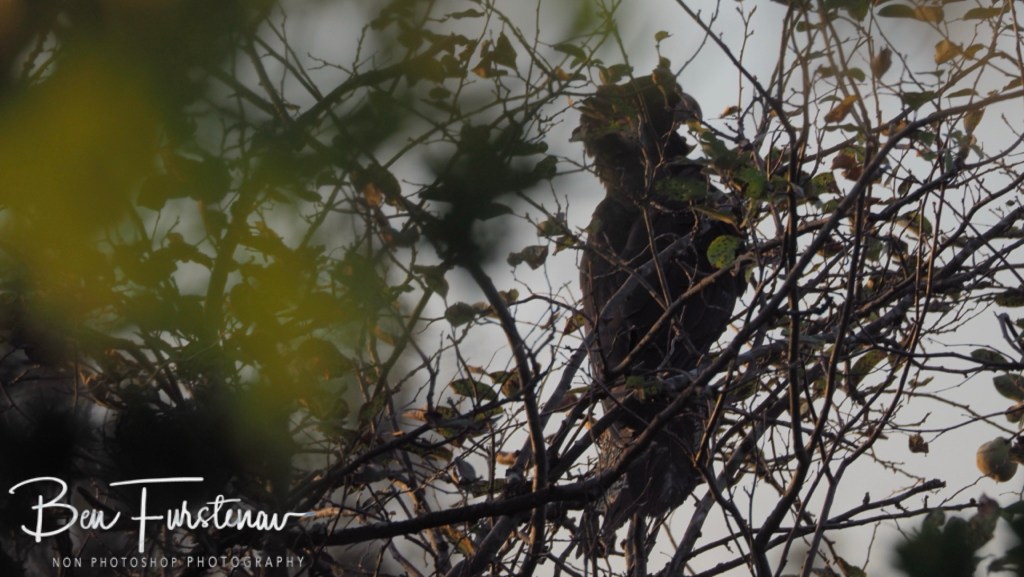
Red-tailed Black Cockatoos are the rarest in small numbers. Once they landed in a tree behind the fence. Their squawking is easily recognized as they aviate above.
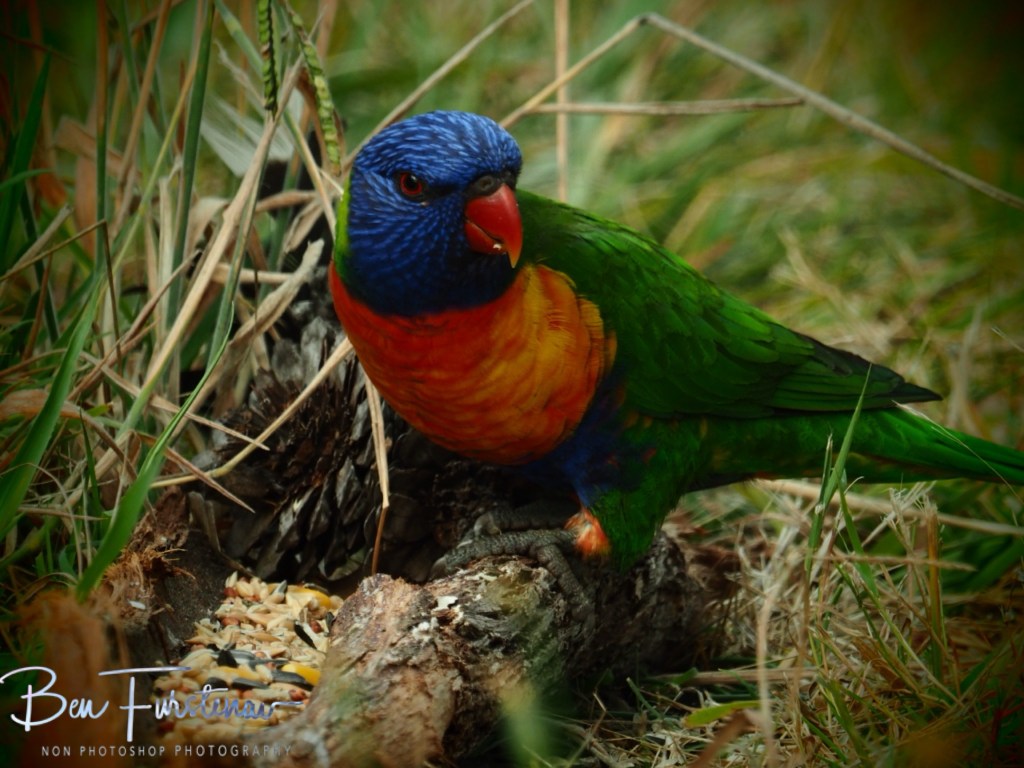
A newish addition to my bird park is a pair of Rainbow Lorikeets.
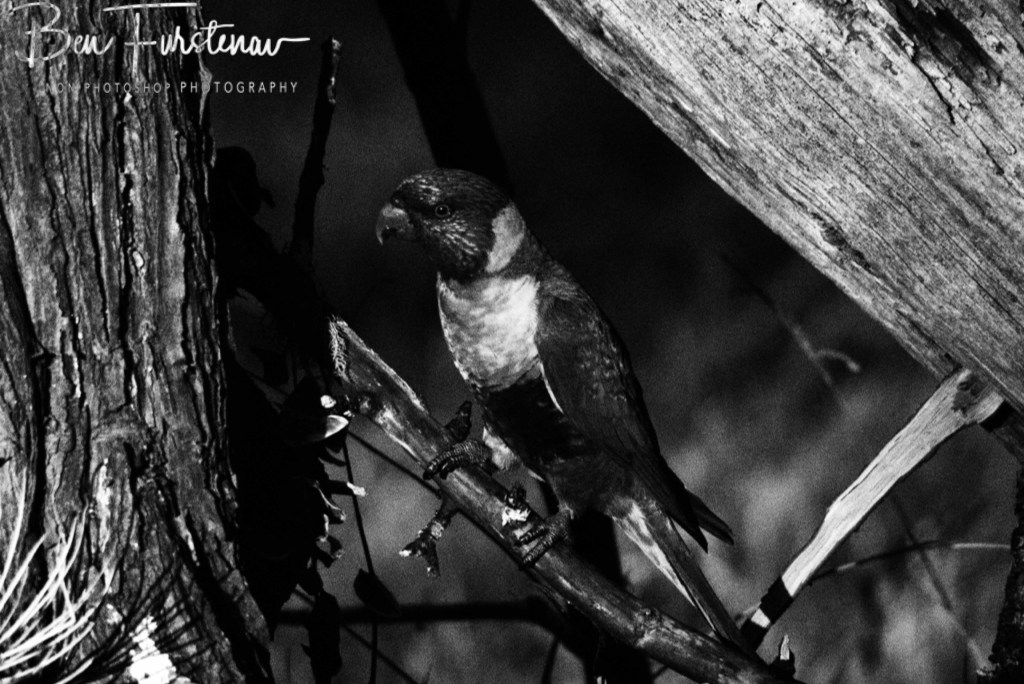
Gram for gram, they are the heavyweights in the pecking order.
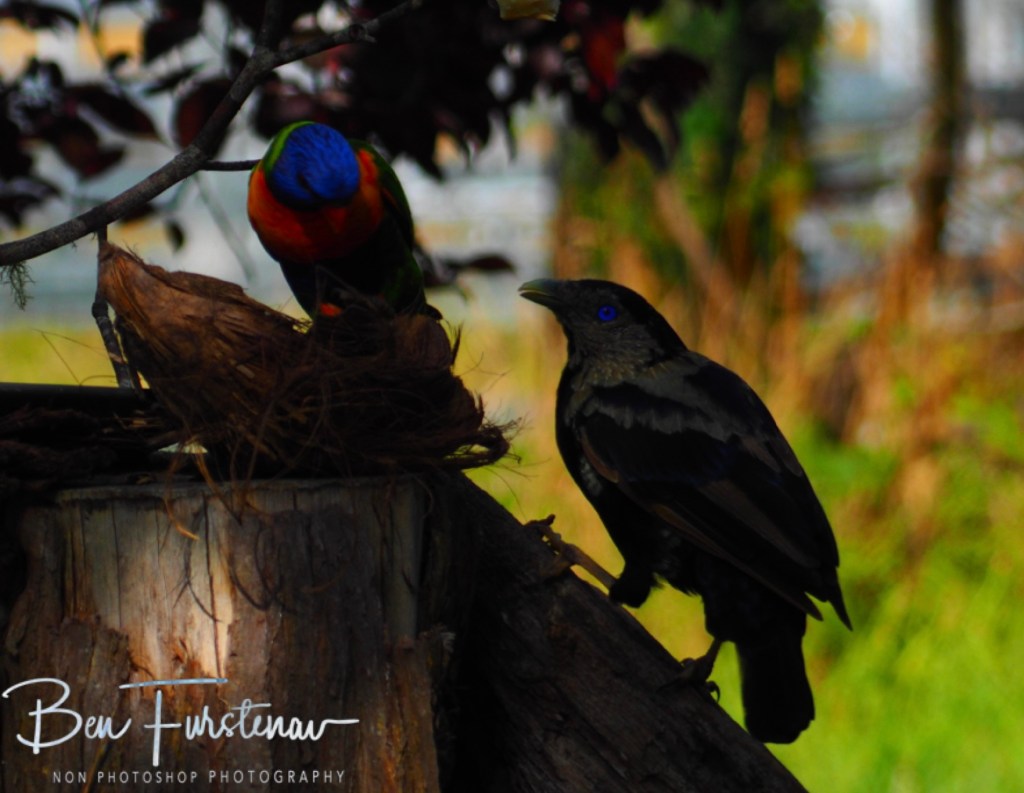
These feisty feathers don’t hold back and chase birds twice their size around the paddock.
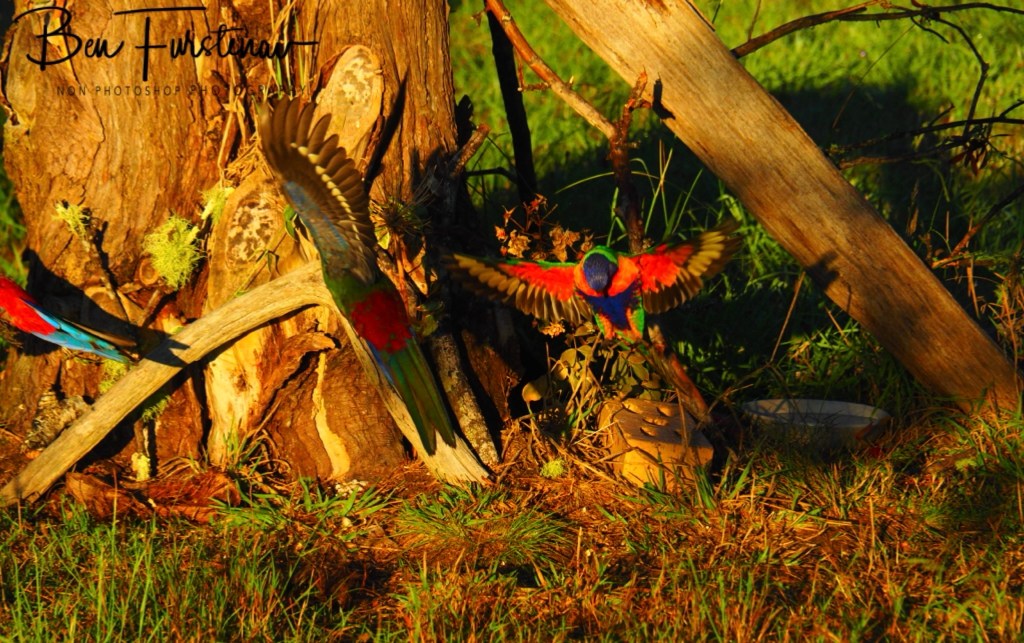
Relentlessly. Much to my amusement.
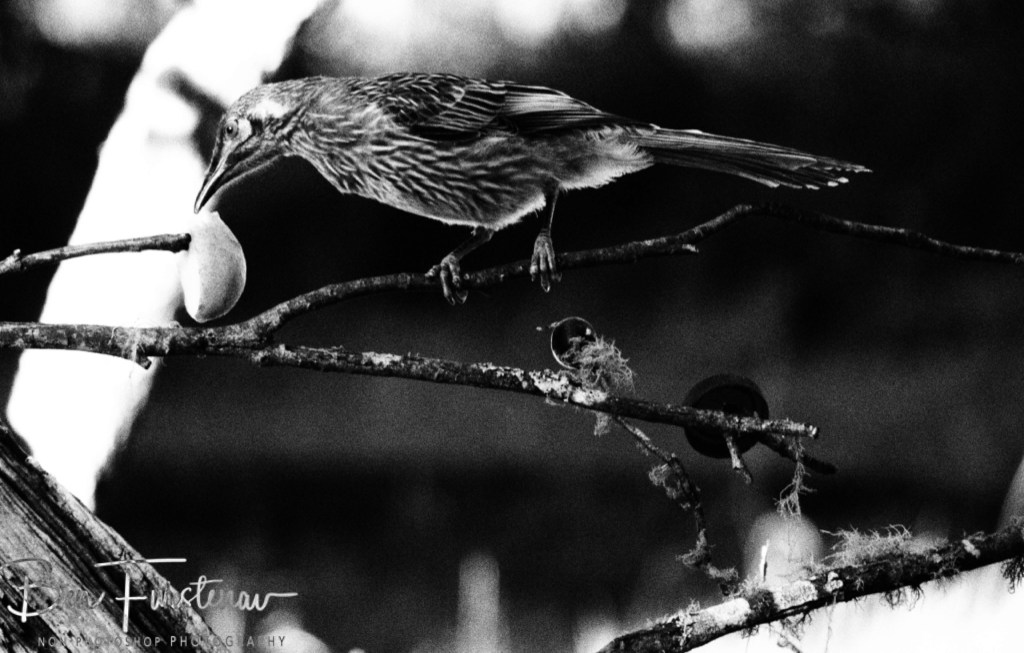
Carrying a plumage with zebra stripes makes the Red Wattlebird an ideal photographic target. Particularly in monochrome photography.The Red Wattlebird is usually sweet beak and feeds off nectar. Wattles are its favorite flower as the name suggests. Its thin long beak holds an even longer skinny tongue to collect sweet pollens.
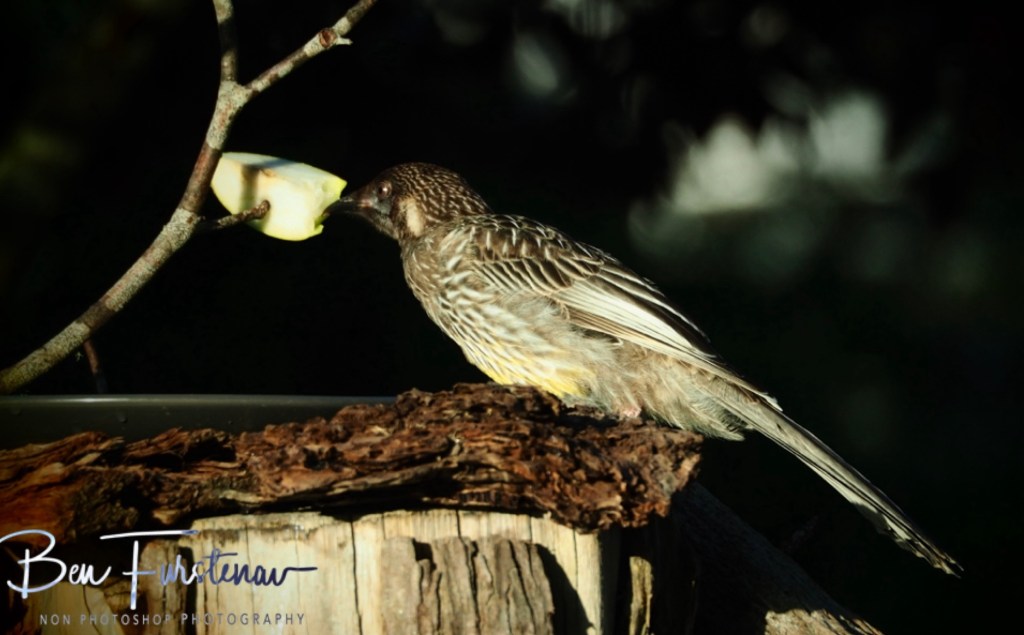
On the flip side, this set up-up makes it hard to bite of a piece of the cherry. Or pear in this case. Its tongue propels out to lick the sweet juices of fruits. Unless! Unless the fruit is juicy and soft. Like a watermelon.
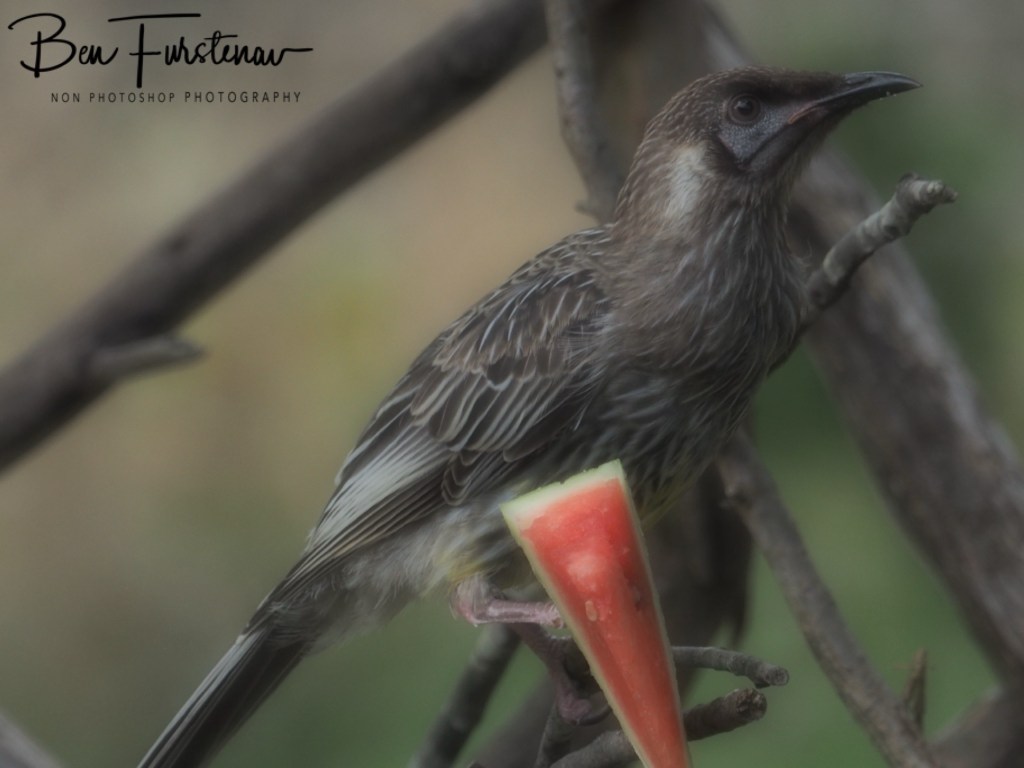
The red flesh of the watermelon also adds colour to the picture.
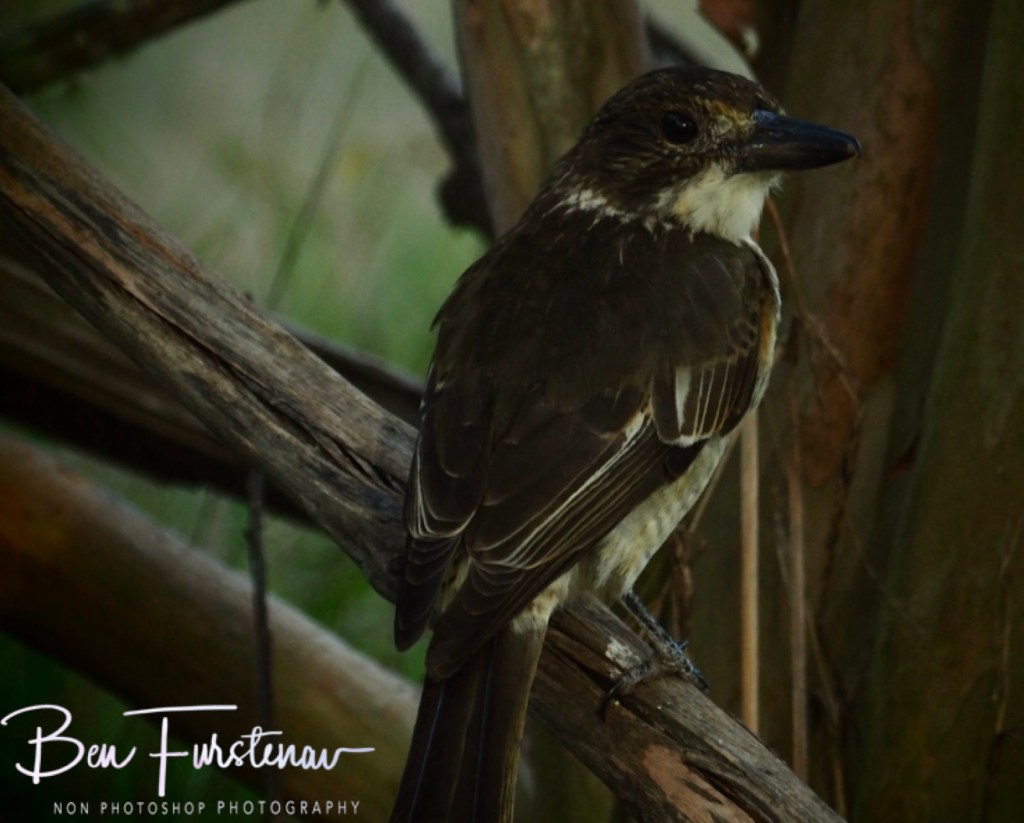
Butcherbirds are more often heard then seen. Their vocal melodies match those of magpies. Butcherbirds sing magnificently well.
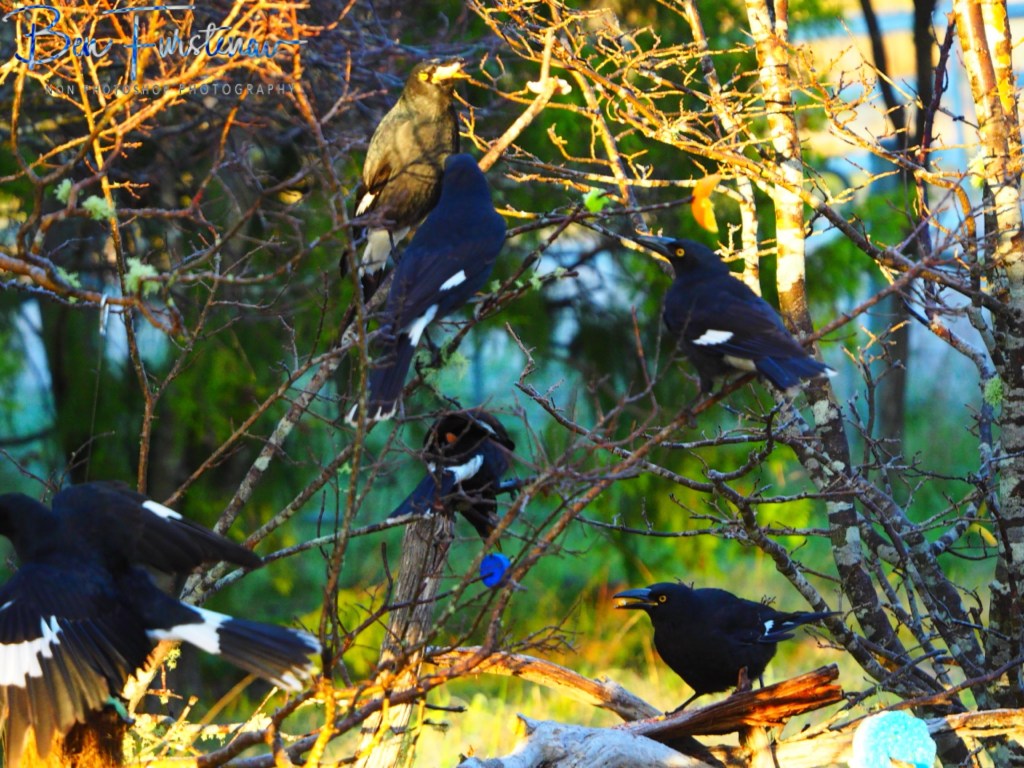
Currawongs and Ravens are the largest visitors and are too heavy for fragile twigs. They often sit in the trees above and have a birds-eye view on the feathery merry-go-round. Usually, they are heard from nearby open plains.
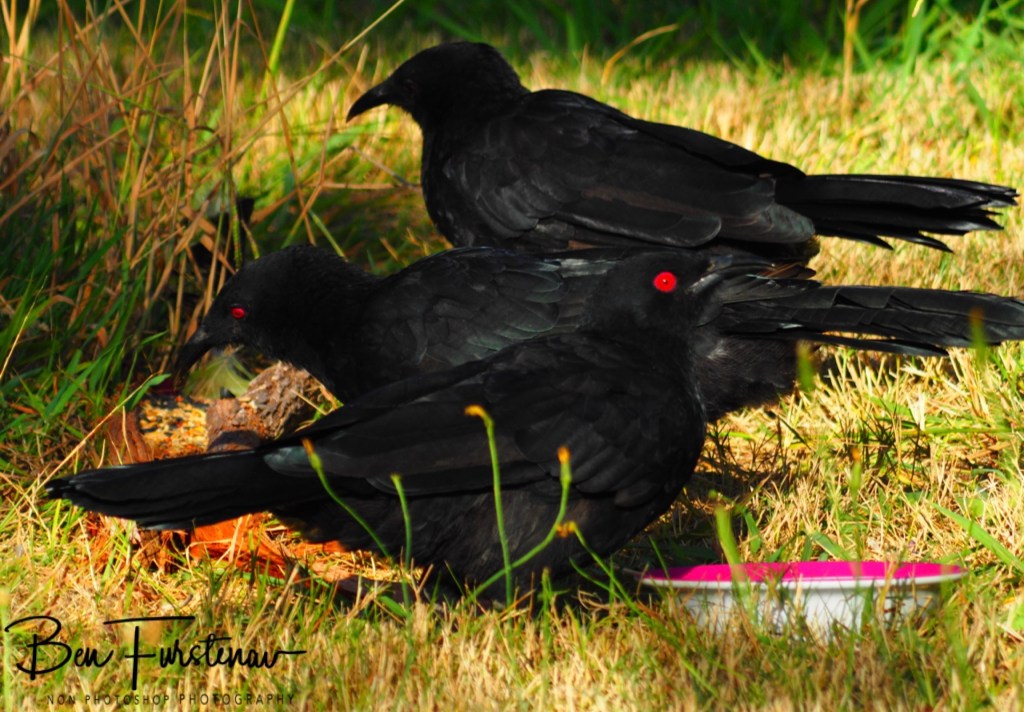
The ‘Three Brothers’ as I call them, casually stroll in and over the plateaux searching for insects. Confident and assured like three musketeers riding the open plains. The White-Winged Chough are no trouble makers and are busy to get on with business. It appears that they eat anything that crosses their thin half-moon-shaped beak.
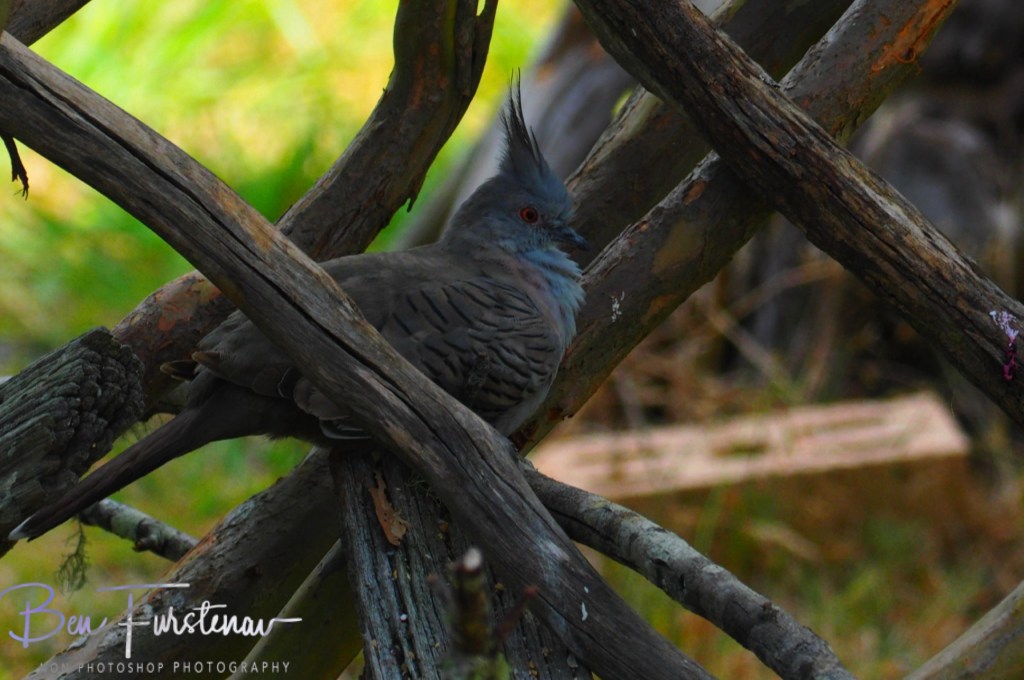
Crested Pigeons are rather shy visitors and prefer the shelter of trees and scrubs.
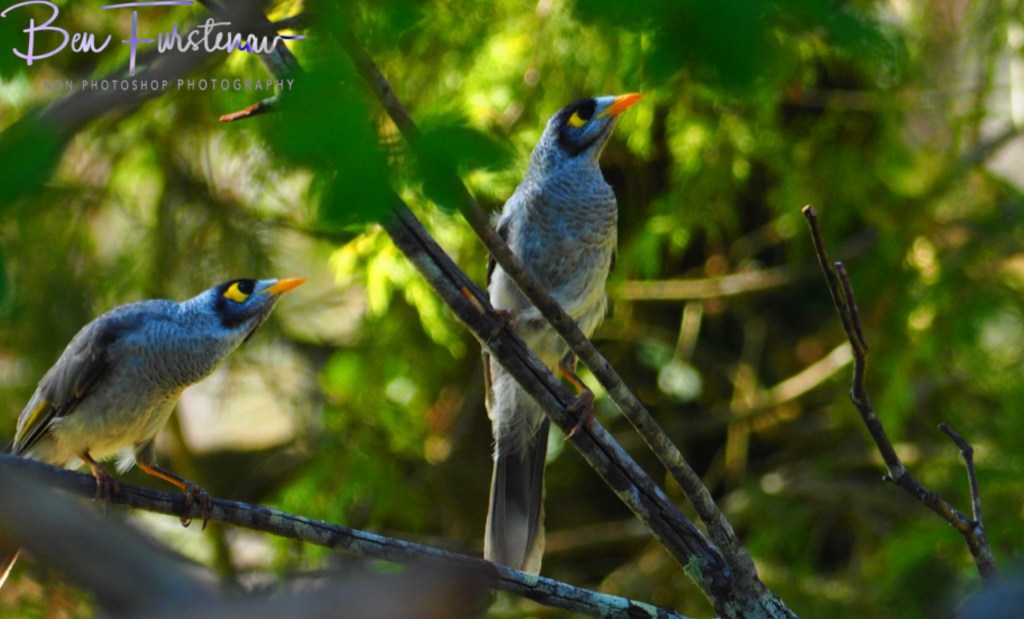
Finches, Willy Wagtails, and smaller honey eaters are frequently seen but too small and active to get a shot at. The Australian Miners flock in large numbers and are the security guards for all. If one sounds the alarm, the whole flock is up in feathers. Other birds have incorporated this danger signal in daily lives and scatter.
Unfortunately, Indian Miners are increasing in Numbers. An introduced and invasive pest bird is spreading further and wider across the Australian landscape. Enough said.
This block of land creates an oasis for native birds and therefor is a vital part of their survival.

